Zhida Plastic Machinery
Manufacturers in the plastic industry are increasingly focused on maximizing equipment efficiency. One key factor in achieving this goal is understanding how to extend plastic machine lifespan. According to a study by the Plastics Industry Association, proper maintenance practices can increase machinery lifespan by up to 30%. This is crucial, especially as companies face rising costs and competitive pressures.
Implementing simple, yet effective strategies can make a significant difference. Regular inspections, timely repairs, and operator training are essential. However, many companies overlook these steps, resulting in unexpected downtime and costly repairs. A report by Grand View Research emphasizes that proactive maintenance can save businesses an average of 20% on operational costs.
As the industry evolves, so does the technology used in plastic machines. Newer models often require different maintenance approaches. It's essential to stay informed about the latest best practices. There are discrepancies in how companies manage their machinery, with some relying on outdated methods. Understanding how to extend plastic machine lifespan is not just beneficial; it's vital for long-term sustainability in this competitive market.
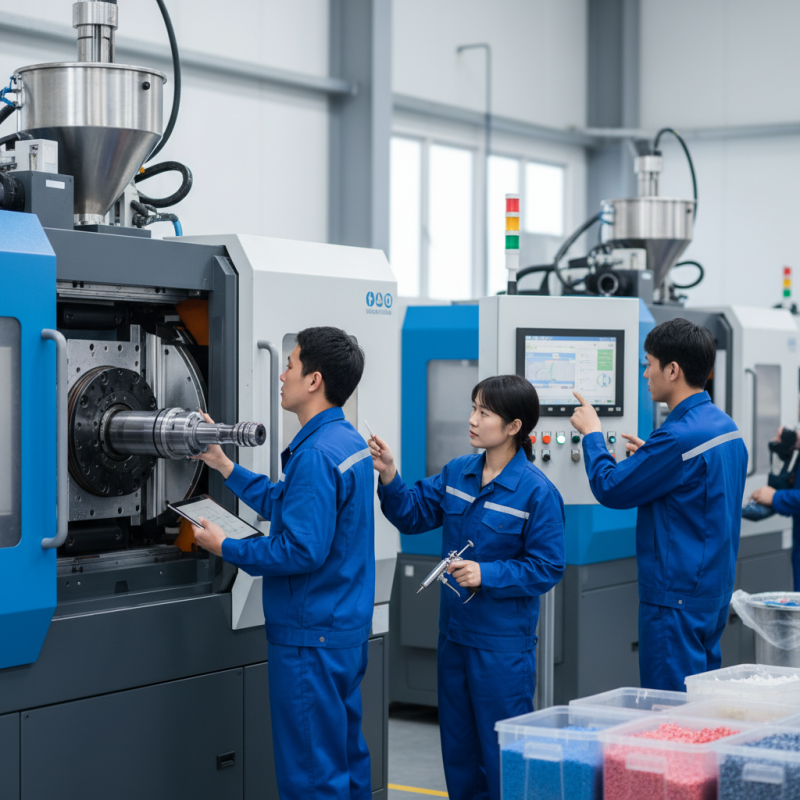
Regular maintenance of plastic machines is crucial for extending their lifespan. Research indicates that proper upkeep can enhance efficiency by up to 30%. Monitoring and adjusting operating parameters are essential. Overloading machines often leads to premature wear and unexpected breakdowns. Operators must be trained to recognize warning signs. This awareness can prevent costly repairs and downtime.
Lubrication and cleaning are key aspects. According to industry reports, unclean machines can reduce productivity by 15%. Implementing a regular cleaning schedule is essential for optimal performance. Lubricants should meet manufacturer specifications. Inadequate lubrication can lead to friction and wear that shorten machine life.
Additionally, keeping detailed maintenance logs helps track performance trends. Analyzing these logs can reveal patterns that indicate when parts may need replacement. Many companies neglect this practice, leading to avoidable disruptions. Investing in staff training on best practices solidifies long-term reliability. Regular assessments ensure that machines operate within optimal parameters.
Temperature control plays a crucial role in extending the lifespan of plastic processing machines. High temperatures can cause wear and tear on critical components, leading to expensive repairs. A recent report from the Society of Plastics Engineers indicates that improper temperature settings can reduce machine efficiency by up to 30%. This highlights the importance of maintaining optimal thermal conditions.
Regular monitoring of temperature is essential. Installing reliable sensors helps detect fluctuations early. Consistent temperature readings prevent overheating and ensure effective operation. A study published in the Journal of Polymer Processing suggests that maintaining the temperature within a specific range can increase the lifespan of machines by as much as 25%.
Here are some tips to improve temperature control. First, always calibrate temperature sensors. Accurate readings are essential for efficiency. Second, implement regular maintenance checks. This helps identify potential overheating issues before they escalate. Lastly, consider investing in advanced cooling systems. They can significantly mitigate heat generation and prolong the machine's life. Prioritizing temperature control not only enhances performance, but it also reduces long-term costs.
When it comes to extending the lifespan of plastic machines, high-quality materials play a crucial role. Utilizing superior materials will reduce wear and tear significantly. High-density plastics, for example, can withstand pressure better than lower-grade alternatives. Improved durability leads to fewer breakdowns and repairs.
The assembly process also benefits from quality materials. Components that fit well reduce friction during operation. This not only enhances machine performance but also minimizes the risk of malfunctions. However, many companies overlook this aspect, opting for cheaper materials to cut costs. This short-sighted decision often results in higher maintenance expenses down the road.
It's essential to regularly evaluate the materials used in machinery. Some users may not notice wear until it's too late. A proactive approach to quality checks can mitigate this risk. Investing in top-notch materials isn't just about the initial cost; it's about long-term efficiency and reliability. Prioritizing high-quality choices can lead to significant advantages in production quality and machine longevity.
Operator training plays a crucial role in extending the lifespan of plastic machines. When operators understand how to use equipment effectively, they tend to avoid common mistakes. Incorrect handling can lead to unnecessary wear and tear. Training sessions should include both theoretical knowledge and hands-on practice. The balance between these elements ensures operators can troubleshoot issues quickly.
Furthermore, regular assessments of operator skills can improve overall machine performance. Experienced operators identify potential problems early. They can make adjustments that prevent costly downtime. Continuous learning keeps everyone updated on best practices. It is vital to recognize that not every operator may grasp technical aspects immediately. A supportive environment enhances their confidence and skills.
In addition, incorporating feedback loops is essential. Engaging operators in discussions about machine performance fosters ownership. They can provide insights that might be overlooked by management. This collaboration can reveal habitual issues that require attention. Training is an investment in both human resources and machinery longevity. The path to improvement is often non-linear but necessary for sustaining productivity.
Scheduling routine inspections is crucial for maintaining plastic machines. Regular checks can significantly enhance uptime and efficiency. According to a recent industry report, routine maintenance can improve equipment lifespan by up to 20%. This finding highlights how proactive measures extend machine life and reduce downtime.
Inspections should focus on various components. Identify wear and tear, check fluid levels, and assess electrical connections. The National Institute of Standards and Technology (NIST) emphasizes that early detection of issues can prevent costly breakdowns. Data indicates that unplanned downtime costs manufacturers approximately $2 million annually. Such statistics showcase the financial impact of neglecting scheduled inspections.
However, not all inspections yield perfect results. Sometimes, issues might slip through the cracks. It’s essential to continually refine inspection protocols. Include detailed checklists and logs for better tracking. Consider training staff to enhance their observational skills. Strengthening inspection processes, despite challenges, leads to better operational reliability and lower long-term costs.
: Operator training extends machine lifespan by teaching effective use and reducing mistakes. This prevents unnecessary wear and tear.
Training should combine theoretical knowledge and hands-on practice. This balance helps operators troubleshoot issues efficiently.
Continuous learning ensures operators stay updated on best practices. It helps them recognize and fix issues proactively.
Regular assessments help experienced operators identify problems early. This can prevent costly downtime and enhance overall performance.
Engaging operators in discussions about machine performance fosters ownership. This collaboration uncovers habitual issues often missed by management.
Routine inspections boost uptime and efficiency. They can improve equipment lifespan by up to 20%, reducing the risk of costly breakdowns.
Inspections should check for wear and tear, fluid levels, and electrical connections. Early detection prevents major issues later.
No, not all inspections yield perfect results. Issues can occasionally slip through the cracks, highlighting the need for refinement.
Strengthening inspections involves detailed checklists and logs, alongside training staff to enhance their observational skills.
Neglecting inspections can lead to unplanned downtime, costing manufacturers about $2 million annually. Regular checks are critical to avoid this loss.
To effectively address the question of "How To Extend Plastic Machine Lifespan," it is essential to implement best practices for regular maintenance. This includes following a consistent maintenance schedule, which helps in identifying potential issues before they escalate. Understanding temperature control is also crucial, as maintaining optimal operating conditions can significantly enhance machine longevity.
Additionally, using high-quality materials can reduce wear and tear, contributing to longer-lasting equipment. Operator training plays a vital role, as knowledgeable staff can ensure proper machine handling and troubleshooting. Finally, scheduling routine inspections is key to maximizing uptime and efficiency, preventing downtime that can adversely affect productivity. By focusing on these strategies, businesses can effectively prolong the lifespan of their plastic machines.
