Zhida Plastic Machinery Zhida Plastic Machinery

What is the Best Plastic Washing Line for Global Buyers?

Time:2026-03-30 Author:Amelia
0%

In the world of recycling and waste management, the choice of equipment significantly impacts efficiency. The Plastic Washing Line stands as a crucial element in this process. Selecting the right system can be a challenge for global buyers. Factors such as technology, durability, and budget play a vital role in this decision.

A well-designed Plastic Washing Line can enhance the washing process, ensuring high-quality recycled materials. Unfortunately, not all lines meet the desired standards. Some may lack efficiency or have high operating costs. This inconsistency can lead to frustration among buyers. It's essential to investigate the specifications and reviews of different brands.

While options are plentiful, finding a reliable supplier can be daunting. Buyers must look for manufacturers with a proven track record. Reading user feedback and industry reports can provide valuable insights. Understanding these dynamics can lead to informed choices in acquiring an effective Plastic Washing Line.
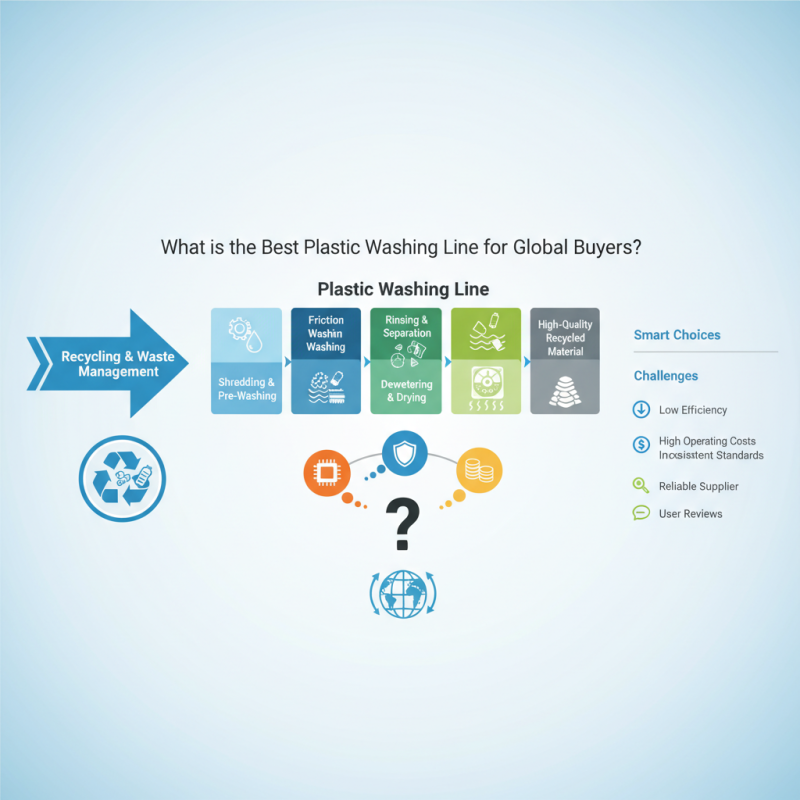
What is the Best Plastic Washing Line for Global Buyers?

What is a Plastic Washing Line and Its Functionality?

Plastic washing lines are essential in the recycling industry. These lines enable the effective cleaning of plastic waste before processing. They play a critical role in ensuring that contaminants are removed, improving the quality of the recycled material. According to industry data, approximately 25% of plastics are contaminated while being collected. This contamination can significantly decrease the value of recycled plastics.

The functionality of a plastic washing line includes several stages: shredding, washing, and drying. Each stage is designed to handle specific contaminants, such as dirt, labels, and residual chemicals. Effective washing systems can reduce contamination levels by up to 90%, as reported by several recent studies. This improvement not only enhances the recycling process but also contributes to a circular economy, where the lifecycle of plastics is extended.

However, challenges remain in optimizing these washing lines. Many facilities still face issues like insufficient space or outdated equipment. The complexities of different plastic types also complicate the washing process. Efforts must continue to streamline these operations. As the demand for recycled plastics grows, improving the efficiency and effectiveness of plastic washing lines becomes increasingly important.

What is the Best Plastic Washing Line for Global Buyers? - What is a Plastic Washing Line and Its Functionality?

Feature Description Importance Recommended Models
Capacity The amount of plastic waste the line can process at once. High capacity lines are essential for large-scale recycling operations. Model A, Model B
Efficiency Time taken to wash and recycle the plastic. Faster processes reduce operational costs and increase throughput. Model C, Model D
Versatility Ability to handle different types of plastic materials. Versatile machines can adapt to changing market needs. Model E, Model F
Sustainability Energy consumption and use of eco-friendly materials. Sustainable options are increasingly demanded by consumers. Model G, Model H
Maintenance Ease of cleaning and need for repairs. Lower maintenance leads to better uptime and less disruption. Model I, Model J

Key Considerations for Selecting a Plastic Washing Line

When choosing a plastic washing line, several key considerations come into play. The capacity of the line is crucial. A line that can process higher volumes enhances efficiency. According to a recent market report from Smithers, the plastic recycling industry is expected to reach $50 billion by 2025. This shows the growing demand for quality washing lines.

Another important factor is the configuration of the washing system. Different designs offer varying levels of effectiveness in removing contaminants from plastic waste. Reports indicate that a well-configured washing line can improve output quality by nearly 30%. Buyers should also consider the energy efficiency of the system. Energy-efficient models not only reduce operational costs but also align with sustainability goals.

Tips: Always check maintenance requirements. A line that's hard to maintain might lead to increased downtime. Additionally, ask for data on water usage. Understanding this can weigh on your overall operational costs. Evaluating these factors ensures that your investment leads to better recycling outcomes.

Key Considerations for Selecting a Plastic Washing Line

Comparative Analysis of Popular Plastic Washing Line Brands

When selecting a plastic washing line, buyers often face a myriad of choices. Each brand offers unique features, prices, and materials. Understanding these differences is key. Some brands focus on durability, while others emphasize lightweight designs. The materials used can significantly impact longevity and performance.

Certain plastic washing lines are known for their weather resistance. Others, however, might struggle under harsh conditions. Factors like UV protection and rust resistance should be considered. It’s essential to read reviews and user experiences. Many users report dissatisfaction with flimsy models that do not hold up over time.

Comparing popular brands helps identify strengths and weaknesses. Buyers must consider their specific needs. Questions arise about space, weight capacity, and ease of installation. It’s common to overlook assembly difficulty, leading to frustration later. Each brand can serve different purposes, highlighting the importance of thoughtful comparison.

Global Trends in Plastic Washing Line Manufacturing

The demand for plastic washing lines has surged globally. Recent industry reports indicate that the plastic recycling sector is expected to reach $400 billion by 2027. This growth is driven by increasing environmental concerns and regulations on plastic waste. A reliable plastic washing line is essential for manufacturers to meet the rising demand for clean recycled materials.

Innovative technologies are influencing the design and efficiency of plastic washing lines. For instance, advanced separation techniques enable better quality output. A study suggests that using two-stage washing processes can improve plastic purity by up to 80%. However, not all manufacturers adapt to new technologies quickly. Some still rely on outdated methods, which may lead to inefficiencies and increased operational costs.

Additionally, regional market trends reveal varying preferences for plastic washing line features. In Europe and North America, there is an emphasis on energy-efficient designs. Reports show that energy-efficient lines can save up to 30% in operational costs. Meanwhile, emerging markets may prioritize affordability and simpler systems. Balancing innovation with cost-effectiveness is crucial for manufacturers aiming to thrive in diverse global markets.

Sustainability and Environmental Impact of Plastic Washing Lines

The sustainability and environmental impact of plastic washing lines are vital considerations for global buyers. As plastic waste becomes a pressing issue, efficient washing lines help reduce its environmental footprint. According to a recent study by the International Plastic Recycling Association, properly washed and recycled plastic can save up to 70% in energy compared to virgin plastic production.

However, not all plastic washing lines are equal. Many utilize outdated technologies that consume excessive energy and water, counteracting their intended benefits. It is crucial to invest in equipment designed for efficiency and low resource usage.

Tip: Look for machines with energy-saving features and water recycling capabilities. A well-designed system can significantly decrease operational costs and environmental impact.

In assessing a washing line's sustainability, consider its materials and energy sources. Some lines still rely on non-renewable energy, which diminishes their eco-friendliness. Seeking out alternatives powered by renewable resources can make a notable difference.

Tip: Regularly evaluate the performance of your washing line. Stay informed about advancements in technology to ensure you are using the best practices available.

FAQS

: What is the main function of a plastic washing line?

: A plastic washing line cleans plastic waste, removing contaminants. This improves the quality of recycled materials.

How much contamination occurs in collected plastics?

Approximately 25% of plastics are contaminated during collection. This significantly lowers the recycling value.

What are the stages of a plastic washing line?

The stages are shredding, washing, and drying. Each stage targets specific contaminants like dirt and labels.

How effective are washing lines in reducing contamination?

Effective systems can reduce contamination by up to 90%. This enhances recycling and supports a circular economy.

What challenges do facilities face with plastic washing lines?

Challenges include limited space and outdated equipment. Different plastic types also complicate the washing process.

Why is there a growing demand for plastic washing lines?

The global recycling sector is projected to reach $400 billion by 2027 due to environmental concerns and regulations.

What technological advancements are impacting washing lines?

Innovative technologies, like advanced separation techniques, improve efficiency and plastic purity by up to 80%.

How do regional markets differ in their washing line preferences?

Europe and North America prefer energy-efficient designs. Emerging markets often favor affordability and simplicity.

What can happen when manufacturers do not adapt to new technologies?

Reliance on outdated methods can lead to inefficiencies. This may increase operational costs and limit competitiveness.

How much energy savings can energy-efficient lines provide?

Energy-efficient lines can save up to 30% in operational costs. Balancing efficiency with cost-effectiveness is crucial.

Conclusion

A Plastic Washing Line is a specialized system designed for the cleaning and recycling of plastic waste, transforming it into reusable materials. Its functionality revolves around efficiently removing contaminants and preparing plastics for further processing. When selecting a Plastic Washing Line, key considerations include the type of plastic being processed, the line’s capacity, energy consumption, and the overall efficiency of the system.

Recent trends in the manufacturing of Plastic Washing Lines reflect a growing emphasis on sustainability and environmental impact, with innovations aimed at reducing energy usage and improving recycling rates. Additionally, a comparative analysis of popular models highlights various features and benefits, ensuring that global buyers can make informed choices based on their specific needs. As the demand for plastic recycling continues to rise, understanding these factors becomes essential for effective decision-making in the industry.

Amelia

Amelia

Amelia is a seasoned marketing professional with a wealth of expertise in our company’s core offerings. With an unwavering passion for driving growth and innovation, she plays a pivotal role in shaping our marketing strategies and enhancing brand visibility. A key aspect of her responsibilities......