Zhida Plastic Machinery
In the complex world of plastic manufacturing, effective maintenance is crucial. Industry expert Dr. Robert Simmons emphasizes, “Preventive care is the backbone of reliable plastic production.” Adopting "Plastic Production Maintenance Best Practices" can lead to significant improvements in efficiency and product quality.
Maintaining production lines involves more than routine checks. It requires a strategic approach. Companies must focus on proper training and ensure that employees understand the equipment. Regular audits help identify potential issues before they escalate. Many organizations overlook simple yet vital practices, leading to downtime and increased costs.
Attention to detail in maintenance schedules is essential. Often, teams may rush through checks, missing critical updates. This can be detrimental. Investing time in training sessions can enhance skills and knowledge. Emphasizing these best practices can make a significant impact on production reliability and ultimately boost profitability. Even established manufacturers should reflect on their maintenance habits to truly optimize performance.
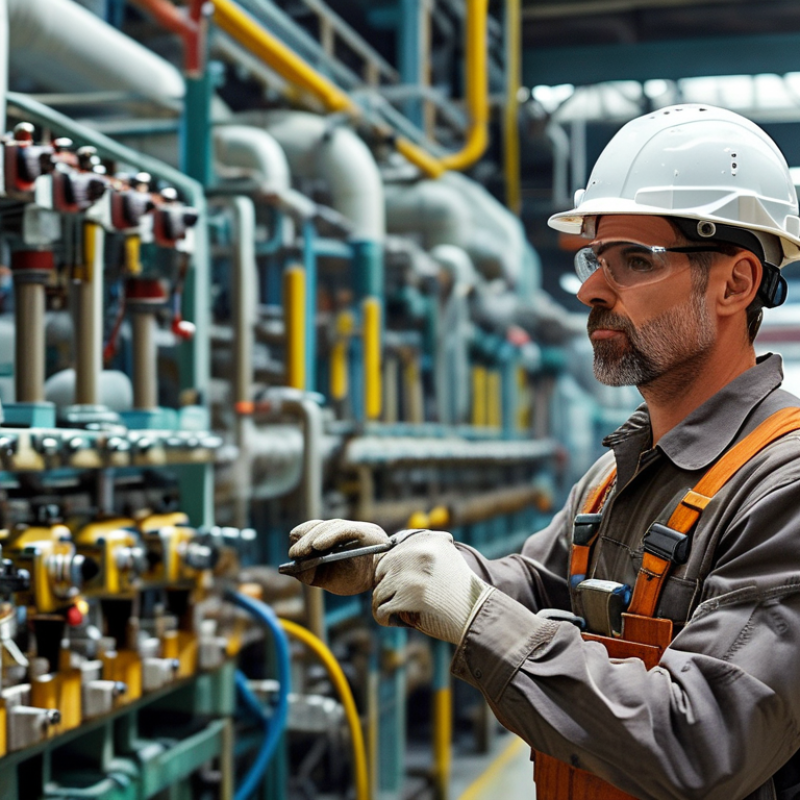
Establishing an effective plastic production workflow requires meticulous planning and execution. Recent studies indicate that 30% of plastic production costs arise from inefficiencies in the workflow. Streamlining operations can significantly reduce these costs. This includes properly training staff to understand the production machinery and workflow intricacies. A knowledgeable workforce is pivotal in minimizing errors and maximizing output.
Data from industry reports show that 40% of production downtime is attributed to maintenance issues. Regular maintenance checks can prevent these interruptions. However, some facilities neglect scheduled maintenance, leading to unexpected failures. Implementing a maintenance schedule based on equipment usage can enhance reliability. It is a crucial aspect that demands attention.
Incorporating real-time monitoring systems can further optimize workflow efficiency. These systems provide data-driven insights into production processes. Yet, only 20% of manufacturers currently utilize such technology. Many remain hesitant due to upfront costs, which can hinder their competitiveness. Investing in technology may raise initial costs but significantly boosts long-term productivity and sustainability in plastic production.
Enhancing material efficiency in plastic manufacturing is essential for sustainability. Manufacturers should strive to reduce waste throughout production. Utilizing advanced technology can help optimize processes, leading to better material use. For example, 3D printing allows for precise material application, minimizing excess. This method not only cuts costs but also reduces energy consumption.
Another strategy involves improving employee training. Well-informed workers can identify inefficiencies and suggest improvements. Encouraging a culture of continuous feedback fosters innovation and problem-solving. Regular audits of production lines can highlight areas for waste reduction. Workers often notice small inefficiencies that managers overlook.
Implementing recycling initiatives is important. Using scrap materials in new products can significantly reduce raw material demand. However, this process requires careful management to ensure quality. Balancing the use of recycled plastics with new materials is not always straightforward. The goal is a circular economy in plastic production, but achieving it can be complex.
Cost-effective maintenance for plastic production machinery is crucial for sustaining operational efficiency. Regular inspections and predictive maintenance approaches can save money. Research shows that companies implementing predictive maintenance have reported a 12% reduction in maintenance costs. More efficient machinery leads to lower energy consumption, which is another cost-saving measure.
Investing in employee training is vital. Skilled operators can identify issues early, reducing downtime. A survey by the Plastics Industry Association found that 70% of manufacturers believe workforce training significantly impacts operational effectiveness. However, many still neglect this area. It’s an opportunity lost.
Maintaining equipment doesn't just involve repairs. Routine cleaning and proper lubrication can extend machinery lifespan. Interestingly, companies that prioritize these practices often see a 15% increase in productivity. Neglecting basic maintenance can lead to unforeseen breakdowns, resulting in costly operational halts. It's a delicate balance between immediate costs and long-term sustainability.
This chart displays the effectiveness of various maintenance practices in reducing downtime and costs in plastic production machinery.
Quality control is essential in plastic production. Implementing robust quality control measures can significantly reduce defects. According to recent studies, about 30% of defects in plastic products result from inadequate controls. Regular inspections and testing can mitigate this risk.
To ensure quality, companies should adopt real-time monitoring technologies. These technologies allow for immediate feedback during production. For instance, incorporating sensors along the production line can help detect inconsistencies. When defects occur, swift corrective actions can save time and resources.
Another crucial aspect is staff training. Ensuring that employees understand quality standards is vital. According to a report by the American Society for Quality, well-trained workers can improve product quality by 20%. However, many companies often overlook the importance of ongoing training programs. Continually cultivating expertise within the team fosters a culture of quality. Quality isn't achieved overnight; it requires persistence and commitment.
In recent years, the demand for sustainable manufacturing practices has surged. According to a report from the Ellen MacArthur Foundation, plastic waste could triple by 2040 if no action is taken. Manufacturers worldwide are recognizing the urgent need for change. Transitioning to sustainable practices not only benefits the environment but can also reduce costs in the long term.
Investing in recycled materials is crucial. Studies show that using recycled plastics can decrease carbon emissions by up to 50%. Many manufacturers report successful integration of these materials without compromising quality. Another key approach is optimizing the production process to minimize waste. Techniques such as lean manufacturing help streamline operations, leading to less plastic waste.
Tips: Regular audits of production lines can identify waste hotspots. Prioritize staff training to enhance awareness of sustainability. Collaboration with suppliers can ensure access to sustainable materials. Implementing these practices can foster a more responsible production cycle. Each step toward sustainability counts, even if progress may feel slow. Balancing efficiency and sustainability requires ongoing reflection and adaptation.
: Material efficiency is crucial for sustainability and reduces waste during production.
Advanced technologies like 3D printing enable precise application, minimizing excess materials and cutting costs.
Well-trained employees can identify inefficiencies and suggest necessary improvements.
Using scrap materials in new products significantly lowers the need for virgin raw materials.
Regular inspections, testing, and real-time monitoring technologies help detect and reduce defects.
Trained workers can enhance product quality significantly, but ongoing training is often neglected.
Sustainable practices reduce costs over time and help mitigate the growing plastic waste crisis.
Lean manufacturing streamlines operations, which results in less waste generation during production.
Collaborating with suppliers ensures access to sustainable materials and fosters responsible production.
Balancing recycled plastics with new materials can be complex and requires careful management.
The article "Top 10 Best Practices for Maintaining Plastic Production" outlines essential strategies for ensuring efficient and sustainable operations in the plastic manufacturing industry. Key sections emphasize the importance of establishing an effective workflow that streamlines production processes while enhancing material efficiency. Furthermore, cost-effective maintenance techniques for machinery are discussed, highlighting the need for regular upkeep to prevent downtime and reduce operational costs.
Implementing rigorous quality control measures is also crucial for maintaining high standards in plastic production processes, ensuring that products meet industry specifications. Lastly, the article advocates for sustainable practices aimed at reducing plastic waste during manufacturing, reflecting a growing trend towards eco-friendly production methods. By adhering to these Plastic Production Maintenance Best Practices, manufacturers can enhance productivity, minimize waste, and contribute to a more sustainable future.
