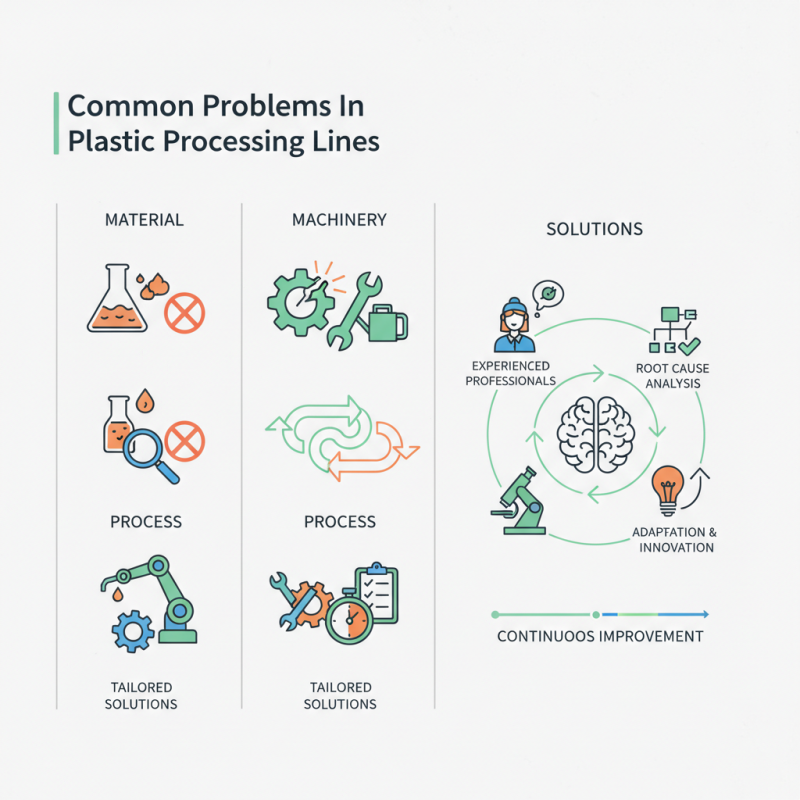
The plastic processing industry faces numerous challenges, known as "Common Problems In Plastic Processing Lines". To address these issues effectively, insight from experienced professionals is crucial. Dr. Emily Hartman, a renowned expert in the field, once stated, “Identifying the root causes of problems in plastic processing is essential for finding lasting solutions.”
The most frequent problems include material inconsistencies, machinery breakdowns, and process inefficiencies. For example, variations in raw materials can lead to defects in the final products. Such issues not only affect the quality but also increase costs and waste. Regular maintenance and proper training can mitigate these setbacks.
Each processing line has unique challenges. Therefore, tailored solutions that consider specific operational contexts are vital. Reflecting on past disruptions can inform future improvements. The quest for excellence in plastic processing demands continuous adaptation and innovation from industry players, ensuring they can effectively tackle the common problems that arise.
Current Challenges in Plastic Processing Lines
In today’s manufacturing landscape, plastic processing lines face numerous challenges. These problems can range from material inconsistencies to equipment maintenance issues. Every manufacturer encounters variability in raw materials. This inconsistency can lead to defects in the final product. Addressing these problems requires keen attention to detail and a proactive approach.
One common issue is the degradation of plastic during processing. High temperatures can negatively impact the material properties. This often results in poor mechanical performance and visual defects. Employees need to be trained to monitor temperature closely, ensuring it remains within optimal ranges. Regular equipment maintenance is essential. Neglect can lead to costly downtimes and increased waste.
Another challenge is maintaining efficient workflow while keeping safety protocols in check. With many processes happening simultaneously, it’s crucial to streamline operations. Employees may become overwhelmed, leading to potential mistakes. Frequent safety audits can help prevent accidents. Moreover, fostering a culture of open communication and feedback can uncover hidden inefficiencies. Every issue presents an opportunity to improve the plastic processing line.
Innovative Technologies for Enhancing Efficiency in Plastic Processing
In the world of plastic processing, innovative technologies are vital for improving efficiency. Automated systems, for example, have revolutionized production lines. According to a recent industry report, automation can increase output by up to 30%. Advanced robotic arms and vision systems enable precise handling and sorting of materials. This reduces waste and enhances product quality.
Integrating real-time data analytics into processing lines further enhances efficiency. By monitoring machine performance, manufacturers can anticipate failures. The same report indicates that predictive maintenance can lower operational costs by up to 25%. Monitoring can be done through IoT devices, allowing for quick adjustments to be made, leading to smoother workflows.
Tip: Regular training for staff is crucial. Operators who understand technology can troubleshoot issues faster. Additionally, consider upgrading machinery with new software. This can streamline operations in unexpected ways. Embracing small, incremental changes often leads to significant improvements. Adopting these strategies reflects a commitment to innovation, while also addressing the industry's challenges.
Strategies for Reducing Waste and Improving Sustainability
In the world of plastic processing, sustainability is more than a trend; it’s a necessity. Reducing waste can significantly enhance the efficiency of production lines. One approach is to optimize raw material usage. This requires thorough planning and precise calculations to minimize scrap.
Tips: Conduct regular audits of your material flow. Identify areas where losses occur, and adjust your processes accordingly. Training staff on best practices can lead to substantial improvements.
Investing in modern technology can aid in sustainability efforts. Machines equipped with sensors can detect inefficiencies, allowing for real-time adjustments. However, it’s essential to analyze whether the costs of such technologies outweigh the potential savings.
Tips: Start with small-scale trials of new equipment. Assess the impact on your operations before a full-scale implementation. Engage your team in discussions about their experiences with existing equipment and processes. Their insights can provide valuable reflections to guide your improvements.
2026 Best Solutions for Common Problems in Plastic Processing Lines
| Problem Area |
Common Issues |
Proposed Solutions |
Expected Benefits |
| Material Waste |
High scrap rates during production |
Implement advanced analytics for material usage tracking |
Reduced material costs and lower waste production |
| Energy Consumption |
Excessive energy usage in processing |
Use of energy-efficient machinery and predictive maintenance |
Lower energy costs and improved operational efficiency |
| Quality Control |
Inconsistent product quality |
Implement real-time quality monitoring systems |
Enhanced product consistency and reduced rework |
| Recycling Challenges |
Difficulty in recycling certain plastic types |
Develop partnerships with recycling facilities for specialized materials |
Increased material recovery rates and sustainability |
| Supply Chain Issues |
Delays and unpredictability in supply |
Adopt just-in-time inventory approaches |
Reduced inventory costs and improved responsiveness |
Best Practices for Troubleshooting Common Plastic Processing Issues
Common issues in plastic processing lines can disrupt production and affect quality. Identifying the root causes is essential. For instance, inconsistent melt temperature can lead to poor product properties. Monitoring temperature profiles closely helps. Simple adjustments in heating elements can resolve many issues.
Material feed problems often arise too. Inadequate flow can cause uneven processing. Inspecting feed systems is crucial. A clogged hopper or inadequate drying can lead to these issues. Regular maintenance and cleaning can prevent such disruptions in production.
Another persistent problem is die swell, which can alter product dimensions. This issue can appear due to high shear rates or incorrect die design. Analyzing the process parameters is necessary to make adjustments. Fabricators often overlook these details, leading to costly defects. Reflecting on these factors regularly can help maintain consistent output.
Future Trends in Plastic Processing Solutions and Innovations
The future of plastic processing lines is being reshaped by innovative technologies. Automation plays a crucial role. Smart sensors monitor production in real-time, ensuring efficiency and reducing waste. These advancements allow for better quality control and faster response to any issues. However, the reliance on technology can sometimes lead to unexpected challenges.
Sustainability is another key trend. Companies are exploring bio-based plastics and recycling technologies. These options promise a smaller environmental footprint. The transition to greener practices is not without its hurdles. Machinery must adapt to handle new materials. Training workers on these systems requires time and resources.
Despite advancements, not all solutions are foolproof. Challenges remain in the industry. Legacy systems can hinder modernization efforts. Balancing innovation with existing infrastructure is complex. Organizations must remain adaptive and open to ongoing improvements.
2026 Best Solutions for Common Problems in Plastic Processing Lines
This chart displays the anticipated effectiveness of various solutions for common problems in plastic processing lines by the year 2026. Solutions include automation, material optimization, and real-time monitoring.
Conclusion
The article "2026 Best Solutions for Common Problems in Plastic Processing Lines" addresses the prevalent challenges faced in plastic processing, highlighting issues such as material inefficiencies and machine malfunctions. Innovative technologies are introduced as key enablers that enhance operational efficiency, streamline processes, and improve overall productivity.
Additionally, strategies aimed at reducing waste and promoting sustainability are discussed, emphasizing the importance of eco-friendly practices in the industry. Best practices for troubleshooting common problems in plastic processing lines are provided, equipping professionals with the knowledge needed to quickly address and resolve issues. Finally, the article explores future trends and innovations that are set to reshape plastic processing solutions, ensuring the industry evolves to meet both economic and environmental demands.
 Zhida Plastic Machinery
