 Zhida Plastic Machinery
Zhida Plastic Machinery
Zhida Plastic Machinery
Choosing reliable plastic processing equipment is crucial for the industry’s growth. In 2022, the global plastic processing market reached approximately $500 billion, with projections suggesting continued growth. However, selecting the right machinery can be daunting. How to choose reliable plastic processing equipment requires careful consideration of various factors.
Experts highlight the importance of evaluating equipment performance and compatibility. A study by IndustryWeek revealed that 70% of operational failures stem from inadequate equipment choices. Focusing on quality can enhance production efficiency and minimize downtime. It’s essential to scrutinize the machinery’s specifications, durability, and manufacturer reputation.
Moreover, the evolving landscape of sustainability influences purchasing decisions. Companies are increasingly seeking energy-efficient solutions to reduce their carbon footprint. Reflecting on these trends, investing in reliable equipment appears vital for long-term success. Navigating this complex process challenges many businesses. Yet, thorough research and expert insights can lead to optimal choices for manufacturers.
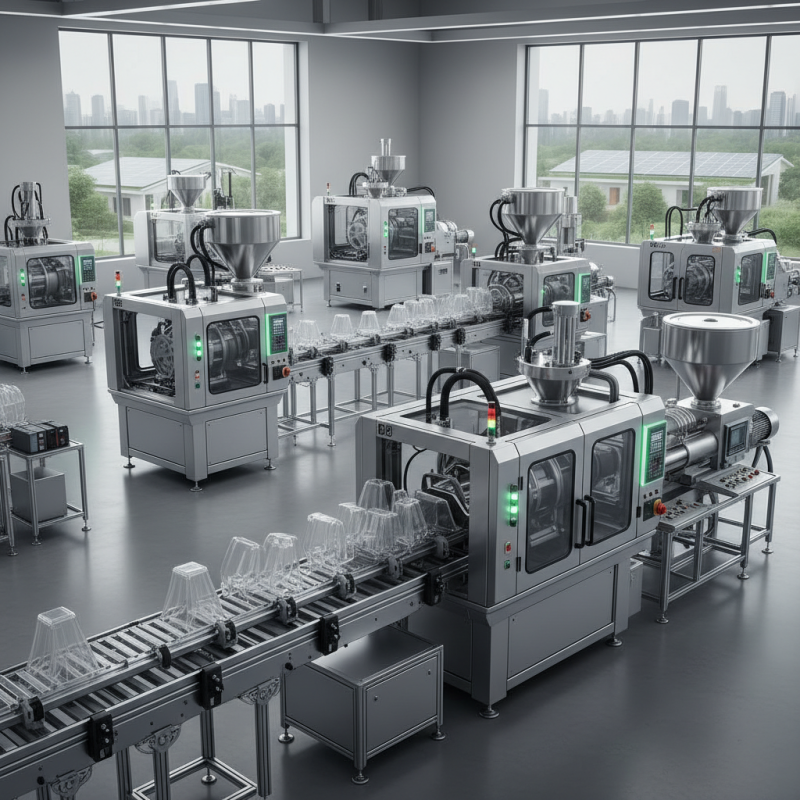
When selecting plastic processing equipment, understanding the basics is crucial. Plastic processing involves various methods like extrusion, injection molding, and blow molding. Each method requires specific machinery that varies in complexity and capability. For instance, the global industry report suggests that the injection molding segment alone is projected to reach USD 325 billion by 2026. This significant growth translates to a diverse array of machinery options.
Quality matters when it comes to equipment. Many manufacturers focus on durability, efficiency, and precision. However, not all machines are created equal. Potential buyers must consider the reliability of suppliers as well. Machine breakdowns can cause costly delays. A survey indicated that 30% of manufacturers experienced downtime due to equipment failure last year. It's vital to prioritize vendors with strong after-sales support and customer reviews that reflect their reliability.
Evaluating technological compatibility is also essential. Will the equipment integrate with existing systems? Some technologies become obsolete quickly. This can lead to additional investments sooner than expected. An industry report pointed out that about 25% of companies did not factor in future technology needs, resulting in unplanned upgrades. Always weigh your options carefully. In the end, investing in the right plastic processing equipment requires thorough research and consideration of both current and future needs.
| Dimension | Specification | Expected Lifespan | Maintenance Frequency | Energy Efficiency Rating |
|---|---|---|---|---|
| Injection Molding Machine | 50-200 ton capacity | 10-20 years | Monthly | A+ |
| Extruder | Single and Twin Screw variants | 15-25 years | Quarterly | B |
| Blow Molding Machine | 10-100 liter capacity | 8-15 years | Biannually | A++ |
| Thermoforming Machine | Standard and custom sizes | 10-15 years | Monthly | B+ |
| Recycling Machine | Plastic waste processing | 5-10 years | Annually | C |
: The main methods are extrusion, injection molding, and blow molding. Each uses specific machinery.
Quality ensures durability and efficiency. Poor quality can lead to costly breakdowns and delays.
Equipment breakdowns can cause delays. About 30% of manufacturers faced downtime last year.
Ensure equipment integrates with existing systems. Obsolete technology can lead to unplanned expenses.
Energy-efficient machines can cut operational costs by up to 30%, improving overall efficiency.
High-precision machines reduce waste and can lower defect rates below 1%, boosting customer satisfaction.
Reliable machines built with quality materials may last longer. Regular maintenance is still essential.
Strong after-sales support can prevent costly delays during equipment failures or breakdowns.
Failing to consider future needs may result in unplanned upgrades, increasing overall costs.
Yes, precision and durability in equipment can significantly enhance profit margins over time.
When considering how to choose reliable plastic processing equipment, it is essential to understand the fundamentals of the machinery involved. Begin by identifying key features that enhance reliability, such as durability, energy efficiency, and ease of use. Evaluating the reputation of manufacturers and reading customer reviews can provide insights into the quality and dependability of the equipment.
Additionally, comparing the cost versus quality is crucial, as lower prices may not always equate to better value in the long run. Maintenance and support options should also be assessed to ensure the equipment remains functional and efficient over time. By following these guidelines, one can make informed decisions that lead to the selection of dependable plastic processing equipment suitable for their specific needs.
