Zhida Plastic Machinery
Digitalization is revolutionizing the plastic manufacturing landscape. Factories are adopting advanced technologies to enhance efficiency and productivity. How Digitalization Is Changing Plastic Factories is no longer a question of if, but how extensively these changes will unfold.
Many plastic factories are integrating automated systems. Smart machines streamline production and reduce waste. This shift not only optimizes processes but also offers real-time data analysis. Buyers now benefit from improved transparency regarding production timelines and material sourcing. Yet, some factories struggle with the initial costs of digital adoption.
Training employees to work with new technologies can be challenging. Not all workers adapt seamlessly to digital tools. This creates a gap in operational efficiency that businesses must address. As companies embark on this digital transformation, they must reflect on both the opportunities and potential pitfalls that lie ahead. Balancing innovation with human elements is essential for lasting success in the plastic industry.
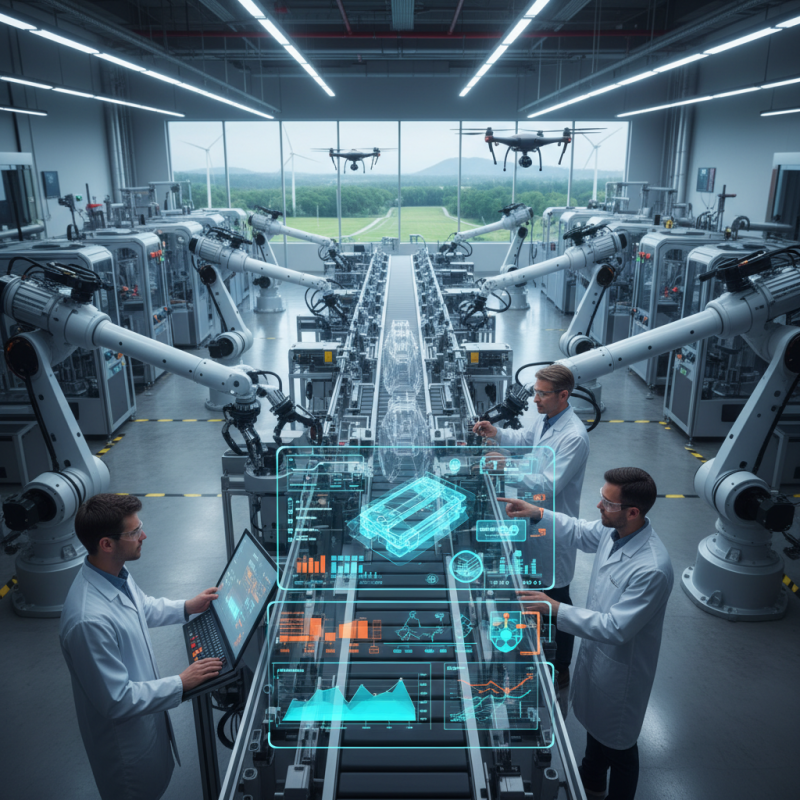
Digitalization is revolutionizing operational efficiency in plastic factories. By integrating advanced technologies, companies can streamline their processes. Automation reduces manual labor and error rates. For example, real-time data analytics help monitor production lines. These improvements lead to faster decision-making.
Tips: Embrace change gradually. Start with small-scale automation projects. Assess the results and expand as needed. Engage your team in the process. This fosters a culture of adaptation.
Moreover, digital tools offer enhanced tracking of inventory and resources. Predictive maintenance can identify issues before they escalate. This proactive approach minimizes downtime and operational costs. However, adopting digital solutions can be challenging. Workforce training is essential for successful integration. Many employees may resist new tools.
Tips: Regular training sessions can ease transitions. Consider creating a digital champions group within your workforce. Their enthusiasm can motivate others and bridge knowledge gaps. Always be open to feedback, as continuous improvement is key.
The impact of IoT devices on plastic factories is profound. These devices enable real-time monitoring of manufacturing processes. By continuously collecting data, factories can detect issues promptly. This capability leads to improved product quality and reduces waste. Real-time insights help in maintaining consistent standards.
Tips: Consider investing in IoT sensors for better data accuracy. Monitor performance trends regularly to detect anomalies early.
However, reliance on technology can be a double-edged sword. Not all IoT devices are equally reliable. Ensuring the integrity of the data collected is crucial. A malfunctioning sensor can lead to defective products. Therefore, regular maintenance and testing are essential.
Tips: Schedule routine checks for your IoT devices. Implement a feedback loop to adjust your monitoring strategies continuously.
Digital transformation is reshaping the plastic manufacturing industry. Data analytics plays a crucial role in this shift. By harnessing big data, factories can optimize production. They analyze patterns in production processes, reducing waste significantly. Real-time data helps track the performance of machines. This leads to timely maintenance and fewer breakdowns.
Collecting and interpreting data is not always straightforward. Factories face challenges like data overload. Without proper systems in place, insights might be lost. Integrating analytics requires training staff to utilize data effectively. This can be a significant investment of time and resources. Still, the potential benefits often outweigh these challenges.
Decisions made through data analysis are usually more informed. Companies can forecast demand better, aligning production with market needs. However, relying solely on data can sometimes mislead decision-makers. Human intuition still plays an essential role in the decision-making process. Balancing data insights with human expertise is critical for success in modern manufacturing.
Digitalization revolutionizes the plastic manufacturing landscape, particularly through automation in production. With advanced technologies, factories can minimize waste significantly. Automated systems monitor processes in real time, ensuring that materials are used efficiently. This shift not only streamlines production but also enhances sustainability. Factories can reduce energy consumption, which is crucial for the environment.
Implementing automation isn't flawless, though. Some machines may require frequent adjustments to maintain optimal performance. Operators need training and time to adapt to new systems. Even small errors in programming can lead to waste, contradicting the goal of efficiency. Factories must constantly assess these systems to maximize benefits while addressing unexpected challenges.
Moreover, the data collected from automated processes provides valuable insights. It allows manufacturers to identify trends and improve operations. However, analyzing this data requires expertise. The reliance on digital tools can pose risks if not managed correctly. Embracing this transformation demands reflection on both achievements and areas for improvement. Balancing automation with human oversight can enhance outcomes in sustainable manufacturing.
The digital transformation of plastic factories is fundamentally reshaping supply chains. In recent years, the plastic industry has adopted digital solutions to enhance efficiency. According to a report by Smithers Pira, digital technologies can reduce costs by up to 15%. This significantly impacts operational margins. It's crucial for manufacturers to embrace these changes to stay competitive.
Implementing real-time data analytics is vital. These tools can forecast demand more accurately, leading to better inventory management. A survey from McKinsey indicates that companies using advanced analytics can improve their logistics efficiency by 40%. Yet, not all companies are fully utilizing these technologies. Some still rely on outdated systems, which can lead to excess inventory and increased waste.
**Tip:** Assess your current digital infrastructure regularly. Upgrading systems may require investment, but the long-term benefits are substantial.
Another critical factor is the integration of suppliers and consumers via digital platforms. This creates better visibility across the supply chain. However, not all organizations have a seamless data-sharing setup, leading to missed opportunities for optimization.
**Tip:** Foster collaboration with supply chain partners. Use cloud-based tools for better communication and efficiency.
Industry experts emphasize the need for ongoing evaluation of digital strategies. Continuous improvement is essential, as digital solutions evolve rapidly. Identifying gaps in current practices can enhance overall performance.
| Factory Location | Digital Solution Implemented | Efficiency Improvement (%) | Supply Chain Responsiveness (Hours) | Waste Reduction (%) |
|---|---|---|---|---|
| Location A | IoT Monitoring System | 20% | 2.5 hours | 15% |
| Location B | ERP Software | 25% | 3.0 hours | 10% |
| Location C | Cloud-Based Analytics | 30% | 1.5 hours | 20% |
| Location D | Automated Production Line | 40% | 2.0 hours | 5% |
| Location E | Digital Twin Technology | 35% | 2.2 hours | 12% |
: Digitalization streamlines processes and reduces manual labor. Automation improves accuracy and speeds up decision-making.
Begin with small-scale automation projects. This allows for gradual change and easier evaluation of results.
Regular training sessions can help ease transitions. Creating a digital champions group may motivate employees to adapt.
Digital tools enhance tracking and can identify issues early. This proactive maintenance reduces downtime and costs.
Digital solutions change rapidly. Continuous assessment helps identify gaps and improve overall performance.
Real-time analytics can forecast demand accurately. This leads to better inventory management and reduced waste.
Collaborating with supply chain partners improves visibility. Using cloud-based tools enhances communication and efficiency.
Integration can be tough, and workforce training is often necessary. Some employees may resist new technologies.
Regular assessments can highlight needs for upgrades. Investing in better systems can yield long-term benefits.
Relying on outdated systems can lead to excess inventory and increased waste. Regular updates are essential to avoid this.
The article "How Digitalization Transforms Plastic Factories for Buyers" explores the significant changes brought about by digital technologies in the plastic manufacturing sector. It highlights how digitalization is changing plastic factories by enhancing operational efficiency through streamlined processes and improved real-time monitoring via IoT devices. These advancements lead to higher product quality and greater responsiveness to market demands.
Furthermore, the integration of data analytics into manufacturing allows for better decision-making, enabling manufacturers to optimize their processes effectively. Automation plays a crucial role by minimizing waste and promoting sustainability within production practices. Lastly, digital solutions are optimizing supply chains in the plastic industry, ensuring a more responsive and efficient delivery of products. Overall, the digital transformation is reshaping how plastic factories operate, ultimately benefiting both manufacturers and buyers alike.
