Zhida Plastic Machinery Zhida Plastic Machinery

10 Effective Tips to Reduce Plastic Production Waste?

Time:2026-06-13 Author:Ethan
0%

Plastic pollution has reached alarming levels, with an estimated 300 million tons produced annually. Industries play a significant role in this crisis, contributing to immense plastic production waste. Understanding **how to reduce plastic production waste** has become crucial for businesses and consumers alike.

Recent studies indicate that approximately 80% of plastic waste ends up in landfills or the ocean. This statistic underscores the urgent need for effective waste reduction strategies. Innovative solutions can help industries minimize their plastic footprint. For example, adopting circular economy practices can significantly enhance sustainability efforts. Many organizations are also exploring alternative materials, aiming to reduce reliance on single-use plastics.

Despite advancements, challenges remain. Not all solutions are widely implemented, and some may pose economic hurdles. Remaining aware of these complexities is essential. Awareness is just the first step. We need actionable strategies to create tangible change. By concentrating on practical methods, such as recycling initiatives, companies can take proactive measures. Embracing these tips allows industries to make strides towards a more sustainable future.
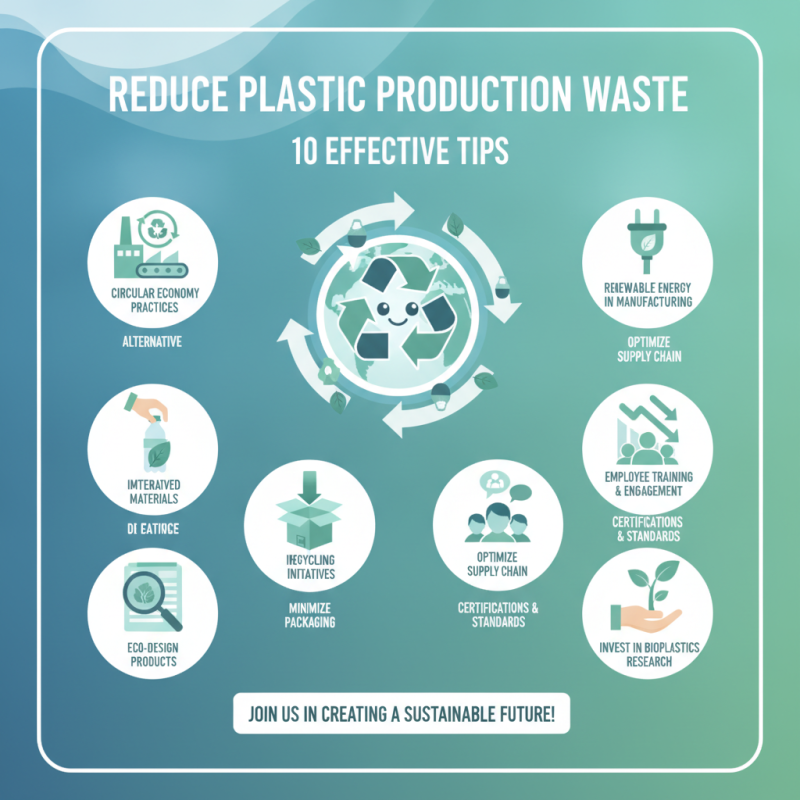
10 Effective Tips to Reduce Plastic Production Waste?

Ways to Reduce Plastic Production Waste: Understanding the Impact of Virgin Plastics

The production of virgin plastics significantly contributes to environmental degradation. Virgin plastics are made from new raw materials, increasing energy consumption and greenhouse gas emissions. Each ton of virgin plastic requires about two tons of fossil fuels. This process not only depletes limited resources but also poses threats to wildlife and ecosystems. Addressing these issues begins with understanding the impact of plastic production.

Transitioning to recycled materials can mitigate some of the negative effects. Utilizing recycled plastics reduces the demand for virgin materials and lowers energy use. Companies can drastically cut waste by redesigning products for recyclability. However, many businesses still hesitate to adopt these practices. The lack of infrastructure for recycling remains a major barrier. As professionals, we must advocate for better systems to handle plastic waste effectively.

Consumer behavior plays a vital role in reducing plastic production waste. Educating the public on sustainable choices can shift demand toward eco-friendly products. Individuals can support companies that prioritize recycled materials. Yet, many may still opt for convenience over sustainability. A collective effort is required to encourage responsible consumption and production. Even small changes can lead to significant impacts over time. The challenge lies in fostering a cultural shift toward sustainability.

The Role of Circular Economy in Minimizing Plastic Waste Generation

The circular economy plays a crucial role in minimizing plastic waste generation. By rethinking our approach to production, we can significantly reduce the amount of plastic that ends up in landfills and oceans. A report by the Ellen MacArthur Foundation highlights that only 14% of plastic packaging is collected for recycling. This underscores the need for a shift toward more sustainable practices.

Implementing circular economy principles can change production methods. Businesses can design products that are easier to repair and recycle. For instance, using biodegradable materials can lessen dependence on traditional plastic. The World Economic Forum notes that if we take action to enhance recycling processes, the potential to prevent plastic waste could increase dramatically, by saving up to 70% of plastic pollution.

Recent studies show that community engagement is vital. Awareness campaigns can educate the public about reducing plastic use effectively. Yet, challenges remain. Not all consumers are willing to change habits. To engage effectively, brands must foster trust and awareness. The transition toward a circular economy requires collective effort and ongoing reflection. Not every initiative will succeed, but learning from failures is part of the journey.

10 Effective Tips to Reduce Plastic Production Waste - The Role of Circular Economy in Minimizing Plastic Waste Generation

Tip Description Impact on Waste Reduction Examples of Implementation
Reduce Single-Use Plastics Eliminate items like plastic straws and bags. Drastic reduction in plastic consumption. Restaurants adopting reusable straws.
Adopt Biodegradable Materials Use materials that break down naturally. Reduces landfill overload and environmental harm. Compostable packaging for food products.
Support Circular Economy Initiatives Encourage recycling and reusing of plastic goods. Increases plastic life cycle and reduces waste. Programs that upcycle old plastics into new products.
Educate Consumers Inform public about the impact of plastic use. Empowers consumers to make sustainable choices. Workshops on sustainable living.
Implement Waste Reduction Policies Establish regulations to limit plastic production. Reduces overall plastic waste at source. Government bans on specific plastic items.
Promote Reusable Alternatives Encourage use of items like cloth bags and metal straws. Lowers demand for single-use plastics. Discounts on reusable items in stores.
Increase Recycling Rates Improve facilities and services for recycling. Diverts plastics from landfills. Community recycling events.
Innovate New Plastic Alternatives Research biodegradable or plant-based materials. Decreases dependency on traditional plastics. Development of bioplastics from corn starch.
Reduce Packaging Waste Minimize the amount of packaging used. Lessens plastic waste produced from packaging. Bulk buying options without excess packaging.

Implementing Sustainable Materials: Bioplastics as an Alternative to Traditional Plastics

In recent years, the environmental impact of plastic waste has become a pressing issue. Bioplastics have emerged as a promising alternative. Derived from renewable sources, they minimize the reliance on fossil fuels. With increasing awareness of sustainability, many companies are turning to bioplastics.

Bioplastics are not a perfect solution. Their production can still produce greenhouse gases and require land that could be used for food. However, they offer significant benefits over traditional plastics. For instance, some bioplastics are biodegradable. This means they break down more easily in the environment, reducing long-term pollution.

Adoption of bioplastics is gaining traction. Many industries are exploring their potential. Yet, challenges remain in scaling production and ensuring quality. Public awareness and education will play a vital role in promoting these materials. The transition to sustainable options is gradual, and ongoing research is essential to refine bioplastics further. We must critically evaluate both the advantages and limitations of these alternatives.

Establishing Industry Standards: The Importance of Eco-Design in Reducing Waste

Eco-design is a crucial approach for industries to mitigate plastic waste. It emphasizes designing products with their entire lifecycle in mind. This means considering the material choice, production methods, and end-of-life options. Sustainable materials can significantly reduce harmful waste. Designers can innovate using biodegradable plastics or recycling-friendly materials. The goal is to minimize the impact on the environment from the very start.

Establishing industry standards is vital for implementing eco-design effectively. Without clear guidelines, companies might prioritize profit over sustainability. This often leads to excessive waste and environmental harm. Reliable standards help businesses adopt better practices. They encourage transparency in production, which can influence consumer choices. Education and collaboration among stakeholders are essential. Only by sharing knowledge can industries collectively reduce plastic waste. This need for eco-conscious thinking extends beyond design. It requires a transformative shift in how products are viewed and utilized throughout their lifecycle.

10 Effective Tips to Reduce Plastic Production Waste

Behavioral Changes: How Consumer Choices Can Drive Decreased Plastic Production

Consumer choices have a profound impact on plastic production waste. When individuals opt for reusable bags or containers, they actively contribute to a decrease in plastic demand. Simple changes in daily behaviors can lead to significant results. For instance, choosing bulk items often reduces packaging waste. Every decision counts and adds up over time.

Awareness plays a crucial role in this process. Many people are unaware of the consequences of their choices. Education about the effects of plastic can inspire better habits. In communities, groups can organize workshops on sustainable living. These activities encourage collective action and promote eco-friendly practices. However, the road is not perfect. Some may hesitate to change due to convenience or lack of options.

These challenges highlight the need for continuous dialogue. Engaging with local businesses about offering alternatives can create solutions. Sharing personal experiences can also motivate others. Slowly, as more individuals make mindful decisions, the tide can turn against excessive plastic production. Each step matters, and the journey involves both triumphs and setbacks.

FAQS

: What is the impact of virgin plastic production?

: Virgin plastics contribute to environmental degradation and require significant fossil fuels. This poses risks to wildlife.

How can transitioning to recycled materials help?

Using recycled materials reduces the demand for virgin products and lowers energy consumption. It's a crucial step toward sustainability.

Why do companies hesitate to adopt recycling practices?

Many businesses face barriers like lack of recycling infrastructure. This prevents them from effectively managing plastic waste.

How can consumer behavior impact plastic waste?

Educated consumers can drive demand for eco-friendly products. However, convenience often outweighs sustainable choices for many.

What role does the circular economy play in reducing plastic waste?

A circular economy promotes sustainable production, minimizing landfill waste and ocean pollution. It requires collective action from all.

Are bioplastics a viable alternative to traditional plastics?

Bioplastics reduce fossil fuel usage and are often biodegradable. Yet, they still pose challenges like greenhouse gas emissions.

What challenges exist in promoting bioplastics?

Scaling production and ensuring quality remain major limitations. Public awareness and education are essential for acceptance.

How effective are current recycling systems?

Only 14% of plastic packaging is collected for recycling. This highlights the need for better systems and increased consumer participation.

Why is community engagement important in reducing plastic use?

Awareness campaigns can promote behavioral change. However, not all consumers are willing to adopt new habits readily.

What can individuals do to support eco-friendly products?

Choose to buy from companies prioritizing sustainability. Small changes in consumption habits can lead to significant impacts over time.

Conclusion

How to reduce plastic production waste is a pressing challenge that requires a multifaceted approach. Understanding the impact of virgin plastics is crucial, as their production contributes significantly to environmental degradation. Transitioning towards a circular economy can effectively minimize plastic waste generation by ensuring materials are reused and recycled rather than disposed of after a single use.

Implementing sustainable materials, such as bioplastics, presents a viable alternative to traditional plastic, further contributing to waste reduction. Establishing industry standards and promoting eco-design principles are essential for creating products that prioritize sustainability from the outset. Additionally, encouraging behavioral changes among consumers can drive demand for greener options, ultimately leading to decreased plastic production. Together, these strategies form a comprehensive plan for addressing the plastic waste crisis.

Ethan

Ethan

Ethan is a seasoned marketing professional with a deep expertise in our company's innovative product line. With a passion for sharing knowledge and insights, he takes the lead in regularly updating our corporate blog, where he explores industry trends, product features, and effective marketing......