Zhida Plastic Machinery
In today's rapidly changing industrial landscape, finding "Energy Efficient Solutions For Plastic Processing" has become essential. The plastic industry faces scrutiny due to its environmental impact. Companies must rethink their processing methods to reduce energy consumption and minimize waste.
Adopting energy-efficient technologies can significantly lower operational costs. Innovations such as advanced machinery and optimized workflows are emerging worldwide. These solutions not only contribute to sustainability but also enhance productivity. However, the challenge lies in integrating these technologies effectively.
Many businesses struggle with the transition. Initial investments can be daunting. Yet, the long-term benefits often outweigh the costs. Continuous learning and adaptation are vital. The quest for energy efficiency in plastic processing is ongoing, offering both opportunity and reflection on our practices.
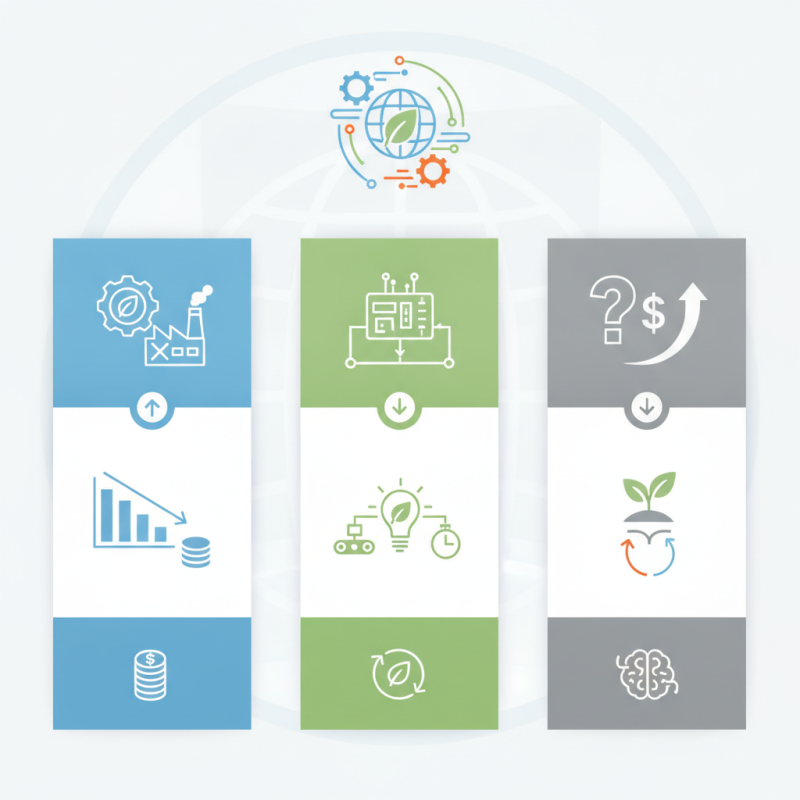
The plastic processing industry is under pressure to enhance energy efficiency. This sector is known for its high energy consumption. Many facilities use outdated machinery that demands excessive energy.
Upgrading to newer technology can significantly reduce energy costs. It’s essential to evaluate energy usage regularly.
Investing in energy-efficient equipment can yield substantial savings. These machines often require less electricity and can operate at lower temperatures. This shift also minimizes greenhouse gas emissions. However, the initial investment can be a hurdle for many businesses. Return on investment may take several years, prompting hesitation.
Another approach is process optimization. Simple adjustments can lead to energy savings. For example, improving insulation reduces heat loss. Training staff on energy usage can also boost efficiency. However, many companies still overlook this aspect. Engaging in continuous improvement is crucial for sustainable growth. Collecting data helps identify areas needing attention. Overall, the path toward energy efficiency is not always straightforward. Reflection and adaptation are vital in this ongoing journey.
Energy consumption in plastic processing is a critical concern. According to recent reports, processing plastics can account for up to 80% of the total energy consumed in their lifecycle. This presents a significant opportunity for implementing energy-efficient solutions in this industry.
Key technologies include advanced extrusion methods and heat recovery systems. For example, optimizing the screw design in extrusion can lead to a 20% reduction in energy usage. Heat recovery systems capture excess thermal energy during processing to reduce the need for external heating. This can save as much as 30% in operational energy costs.
However, adopting these technologies is not without challenges. Many facilities lack the initial capital for upgrades. Moreover, integrating new technologies requires training and adjustments to existing workflows.
Industry experts suggest that continuous training and incremental investments are necessary for long-term energy savings. A company must weigh the upfront costs against potential savings and environmental benefits.
The push for sustainable materials in plastic processing has gained momentum worldwide. This shift is driven by the need to reduce energy consumption and minimize environmental impact. Studies show that using bio-based plastics can reduce greenhouse gas emissions by up to 30% compared to fossil fuel-based counterparts. However, the transition is complex and requires careful consideration.
The impact of sustainable materials on energy use is significant. For example, recycled plastics require 70% less energy to process than virgin materials. This reduction can lead to lower operational costs for manufacturers. Yet, many facilities still struggle to adopt these materials due to high upfront investment costs and insufficient recycling infrastructure.
Additionally, not all sustainable materials offer the same energy savings. Some bio-based plastics may need more energy during processing. Effective analysis is crucial to determine the true sustainability of materials. Data from industry reports indicate that while sustainable options show promise, challenges remain. Facilities must weigh the benefits against potential drawbacks to make informed decisions.
Energy efficiency in plastic processing is gaining attention globally. Many companies are sharing their best practices. These case studies highlight innovative approaches to reduce energy consumption in production processes.
One compelling example comes from a facility using advanced cooling systems. This method significantly lowered energy use without compromising output. Another report features a group implementing a comprehensive training program. Workers learned best practices, leading to more efficient operations. Both cases show how small changes can have big impacts on energy savings.
Despite these advancements, challenges persist. Many facilities lack the funds for initial investments. Others may face resistance to change among workers. Such barriers can slow down the adoption of energy-efficient technologies. Reflecting on these challenges is crucial. It helps identify areas needing improvement and encourages broader commitment to sustainability in the industry.
| Region | Energy Efficiency Measure | Annual Energy Savings (%) | Cost Reduction (%) | Implementation Year |
|---|---|---|---|---|
| North America | Smart Manufacturing Systems | 20% | 15% | 2021 |
| Europe | Closed-loop Cooling Systems | 25% | 20% | 2019 |
| Asia | High-Efficiency Motors | 30% | 10% | 2020 |
| South America | Energy Recovery Units | 15% | 5% | 2022 |
| Africa | Biogas Energy Systems | 10% | 7% | 2023 |
Energy efficiency in plastic processing is becoming increasingly critical amid rising operational costs and environmental concerns. According to a report by the International Energy Agency (IEA), the plastic industry consumes about 6% of the world's oil and contributes significantly to greenhouse gas emissions. Many companies are now exploring innovative solutions to reduce energy usage while maintaining production efficiency.
Advanced technologies, such as high-efficiency motors and smart sensors, are leading the charge in optimizing energy consumption. In fact, adopting these technologies can yield energy savings of up to 30%, according to a study from the Association of Plastics Engineers. Additionally, the integration of circular economy principles is reshaping the landscape. Businesses are investing in recycling and reusing materials, which can significantly lower energy demands in processing. However, transitioning to these methods presents challenges, including the initial costs of technology and a need for workforce training.
Ultimately, the path forward requires continuous reevaluation and improvement. The industry must remain adaptive and responsive to changing technologies and policies. Stakeholders need to address the balance between efficiency and practicality. Industries must ask whether current investments are sufficient to ensure long-term sustainability in energy use. As new practices emerge, the challenge will be assessing their effectiveness and scalability across different regions and market segments.
: Energy efficiency reduces operational costs and helps address environmental concerns related to greenhouse gas emissions.
Companies can implement advanced cooling systems and comprehensive training for workers to improve operations.
High-efficiency motors and smart sensors can lead to significant energy reductions.
Yes, many facilities struggle with funding and face resistance from employees regarding changes in procedures.
Investing in recycling and reusing materials can reduce energy demands in processing.
Studies suggest that the right technologies can lead to energy savings of up to 30%.
Assessing the effectiveness and scalability of new practices across different regions and market segments can be complex.
Proper training ensures that workers understand best practices, leading to smoother operations and better energy management.
Regularly reevaluating current practices, investments, and technologies is essential for ongoing sustainability.
It’s crucial to balance efficiency with practicality and assess if investments align with future sustainability goals.
The article titled "Energy Efficient Solutions For Plastic Processing Worldwide" explores various strategies and technologies aimed at enhancing energy efficiency within the plastic processing industry. It outlines the importance of energy efficiency in reducing operational costs and environmental impact. Key technologies play a pivotal role in minimizing energy consumption, including advanced machinery and innovative processing techniques.
Additionally, the discussion includes the significance of sustainable materials and their influence on energy use, highlighting how material selection can lead to improved efficiency. Case studies from around the globe showcase successful energy-efficient practices, demonstrating real-world applications of these solutions. Furthermore, the article anticipates future trends in energy efficiency for plastic processing, suggesting that ongoing advancements will continue to shape a more sustainable industry. Overall, embracing Energy Efficient Solutions For Plastic Processing is crucial for driving the industry towards a more environmentally friendly future.
