Zhida Plastic Machinery Zhida Plastic Machinery

Enhancing Plastic Extrusion Stability for Better Production Results?

Time:2026-07-03 Author:Sophia
0%

Plastic extrusion is a vital industrial process. It shapes various plastic materials into usable products. Enhancing stability during extrusion is crucial for improving production quality. Many factors affect stability, including temperature, pressure, and material properties. In this article, we explore "How To Improve Plastic Extrusion Stability."

Achieving consistent results requires a blend of experience and precise control. Often, manufacturers overlook minor adjustments that can lead to significant improvements. For example, monitoring temperature fluctuations can prevent defects. Investing in high-quality machinery also plays a role. Skilled operators are essential, as they can adapt to real-time challenges.

Despite advancements, many processes still face instability. A single fluctuation can disrupt production. Rethinking approaches and embracing new technologies may offer solutions. Continuous training and assessment are necessary to cultivate expertise. Ultimately, refining stability in plastic extrusion leads to enhanced product quality and efficiency.
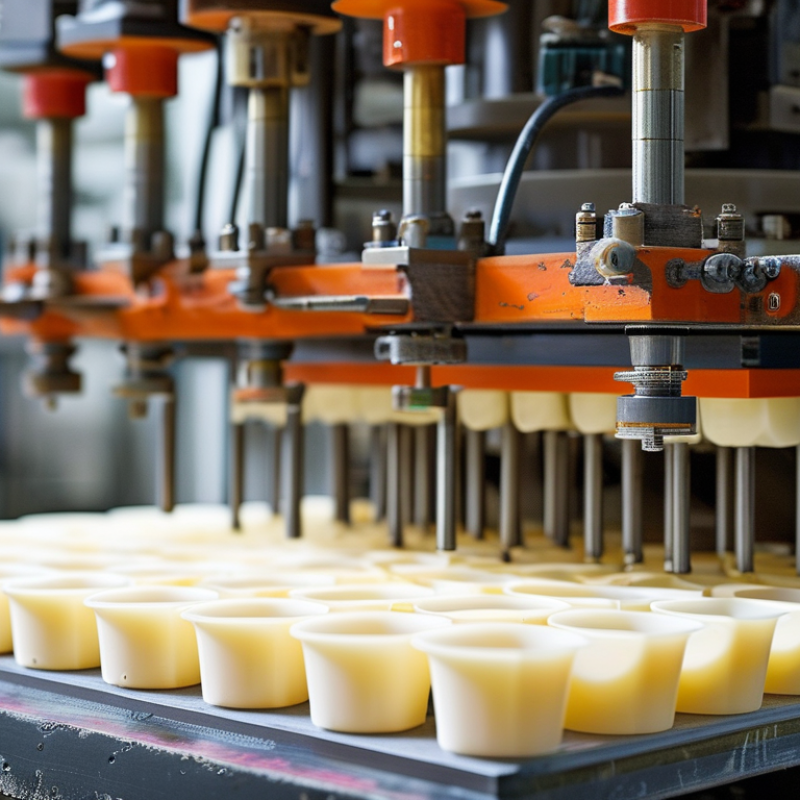
Enhancing Plastic Extrusion Stability for Better Production Results?

Understanding the Importance of Stability in Plastic Extrusion

Stability in plastic extrusion is crucial for optimal production results. It directly affects material quality, processing efficiency, and overall profitability. Operators should monitor temperature, pressure, and speed closely. Deviations in these parameters can lead to poor product characteristics, including uneven thickness and surface defects.

A consistent extrusion process allows for predictable outcomes. It reduces the risk of defects during manufacturing. Conversely, instability can cause significant production downtime. Operators may need to stop and restart machines to address issues, often leading to wasted materials and increased operational costs.

Understanding the sources of instability can help improve processes. For instance, variations in raw material quality may disrupt flow characteristics. Regular calibration of equipment is essential. Implementing preventive maintenance can also enhance performance. Reflecting on these factors may reveal areas for improvement. Analyzing production data can lead to better decisions. The goal is to achieve a smoother, more reliable extrusion process.

Key Factors Affecting Plastic Extrusion Stability

Plastic extrusion stability is critical for optimizing production results in manufacturing. Various key factors come into play, influencing this stability. Temperature control is paramount. Studies indicate that maintaining a consistent temperature within ±2°C can improve extrusion quality and reduce defects by up to 15%. Inconsistent temperatures can lead to issues such as variations in melt flow, creating bottlenecks in production.

Another vital consideration is the choice of materials. The flow characteristics of polymers can vary significantly. For example, polypropylene and polyethylene require different processing conditions. Research shows that improper material selection can lead to up to a 20% increase in waste during production. Understanding material properties is essential for stable extrusion processes.

Die geometry also impacts stability. A well-designed die ensures uniform flow and prevents material hang-ups. Reports reveal that optimizing die design can enhance output efficiency by as much as 25%. However, achieving perfect die designs is challenging and often requires iterative testing. Persistent adjustments and modifications are necessary, as even minor flaws can disrupt the entire process, leading to inconsistent product quality and increased operational costs.

Enhancing Plastic Extrusion Stability for Better Production Results - Key Factors Affecting Plastic Extrusion Stability

Factor Description Impact Level (1-5) Recommendation
Material Quality Higher quality materials result in better extrusion consistency and less downtime. 5 Use certified suppliers for raw materials.
Temperature Control Maintaining optimal temperatures prevents material degradation and flow inconsistencies. 4 Utilize advanced temperature sensors for real-time monitoring.
Extruder Speed Balancing speed with material type affects product quality and extrusion stability. 3 Optimize speed settings based on test runs.
Die Design Poor die design can lead to uneven flow and defects in the final product. 5 Engage with design experts for die optimization.
Cooling System Efficient cooling ensures that products maintain their shape and dimensions. 4 Invest in high-performance cooling solutions.
Operator Training Well-trained operators can better manage machine settings and troubleshoot issues. 5 Regular training programs and assessments for operators.

Techniques for Enhancing Stability in Plastic Extrusion Processes

Plastic extrusion processes play a crucial role in manufacturing. Achieving stability in these processes is essential for consistent product quality. Several techniques can enhance stability during extrusion, leading to better production results.

One effective method is meticulous temperature control. Inconsistent temperatures can lead to defects like warping or uneven surfaces. Maintaining a steady heat throughout the extrusion die improves material flow. Pressure monitoring is another key factor. Variations in pressure can disrupt the extrusion process, causing defects and downtime. Regular calibration of pressure sensors ensures that the system remains within optimal parameters.

Regular maintenance of equipment is often overlooked. Worn parts can lead to imbalances. These imbalances may result in production inefficiencies. Additionally, training operators is vital. Experienced operators can identify issues early, preventing bigger problems down the line. Fostering a culture of continuous improvement can keep the extrusion process running smoothly.

Measuring and Analyzing Extrusion Stability Performance

Measuring extrusion stability is vital for the production of high-quality plastic products. A consistent extrusion process ensures uniform thickness and reduces defects. Monitoring parameters such as temperature and pressure can signal fluctuations that impact stability. This data-driven approach plays a crucial role in enhancing efficiency.

Efficient measuring tools allow operators to track real-time performance. Visualizing data helps identify trends and deviations in the extrusion process. For instance, a sudden spike in temperature might suggest a clog or malfunction. Responding promptly can prevent material waste and downtime. Operators must be trained to interpret this data effectively.

However, challenges remain. Identifying root causes of instability can often require deep investigation. Sometimes, adjustments fail to yield expected results. Continuous learning from these experiences is essential. Reflections on past issues can lead to improved practices and a more stable extrusion process. Embracing a culture of constant improvement and analysis is key to achieving better production results.

Case Studies: Successful Applications of Stability Improvements

Enhancing the stability of plastic extrusion processes is crucial for optimizing production. Case studies reveal significant benefits gained from stability improvements. For instance, a company reported a 25% reduction in defects after implementing consistent temperature controls. This adjustment led to smoother operations and better end-product quality.

In another example, a facility enhanced its processing speed by fine-tuning the extrusion parameters. This modification resulted in a 30% increase in throughput without sacrificing material quality. Such advancements highlight how embracing technology can lead to remarkable gains in productivity.

**Tips: Maintain close monitoring of key parameters. Create a checklist for daily operations to ensure stability. Consider investing in training for staff to elevate their understanding of extrusion processes. Regular evaluations can pinpoint areas needing improvement.**

FAQS

: What is the importance of temperature control in plastic extrusion?

: Temperature control is essential for quality. A steady temperature of ±2°C can reduce defects by 15%.

How does material selection affect extrusion stability?

Different polymers like polypropylene and polyethylene have unique flow properties. Wrong choices can increase waste by 20%.

What role does die geometry play in the extrusion process?

Well-designed dies ensure uniform flow. Optimizing die design can improve efficiency by 25%, but it's challenging.

How can pressure monitoring enhance extrusion stability?

Pressure variations can cause defects. Regular calibration of pressure sensors helps maintain optimal parameters.

Why is equipment maintenance crucial in plastic extrusion?

Worn parts can lead to imbalances and inefficiencies. Regular maintenance often gets overlooked, but it’s necessary.

How should operators be trained for better extrusion results?

Experienced operators can spot problems early. Training fosters a culture of improvement, keeping processes smooth.

What are the challenges in measuring extrusion stability?

Identifying instability root causes requires investigation. Sometimes changes don’t yield expected results, needing reflection.

How does real-time data help in plastic extrusion?

Measuring tools track performance. Visual data can reveal trends, like temperature spikes indicating a problem.

Why is continuous improvement important in extrusion processes?

Reflection on past issues leads to better practices. Embracing a culture of improvement is key to stability.

What are potential consequences of poor extrusion stability?

Poor stability can result in inconsistent product quality and higher costs. Awareness of flaws is crucial for improvements.

Conclusion

The article "Enhancing Plastic Extrusion Stability for Better Production Results" explores the critical role stability plays in the plastic extrusion process. It outlines key factors affecting stability, such as temperature control, material consistency, and equipment maintenance. To improve plastic extrusion stability, various techniques are discussed, including the implementation of real-time monitoring systems and optimization of processing conditions.

Additionally, the article emphasizes the importance of measuring and analyzing extrusion stability performance to identify areas for improvement. Through case studies, successful applications of stability enhancements are highlighted, showcasing tangible production benefits. Overall, the article provides valuable insights on how to improve plastic extrusion stability, ultimately leading to more efficient and reliable manufacturing outcomes.

Sophia

Sophia

Sophia is a dedicated marketing professional with an exceptional depth of knowledge about her company's products and services. With a keen understanding of market trends and customer needs, she crafts insightful blog posts that not only inform but also engage readers, enriching the company’s online......