Zhida Plastic Machinery Zhida Plastic Machinery

Essential Guide to Upgrading Your Plastic Processing Equipment?

Time:2026-09-05 Author:Liam
0%

In today's competitive landscape, upgrading your plastic processing equipment has become essential for staying ahead. The "Plastic Processing Equipment Upgrade Guide" reveals that companies investing in modern technology see an average productivity increase of 20%. Leading expert Sarah Thompson emphasizes, "Embracing upgrades is not just about newer machines; it's about efficiency and cost savings."

However, many manufacturers hesitate. They fear the costs and disruption during the transition. Yet, industry reports suggest that outdated equipment can decrease profitability by up to 15%. This statistic highlights the need for a strategic assessment of existing equipment. Upgrading isn't merely advantageous; it can be pivotal for survival in a fast-evolving market.

Furthermore, embracing new technologies can lead to sustainable practices. Innovations in energy-efficient machinery can reduce energy costs by 30%, according to the latest industry studies. Although upgrades often seem daunting, the long-term benefits far outweigh the initial hurdles. Companies must reflect on their current operations and consider how an upgrade could redefine their production capabilities.
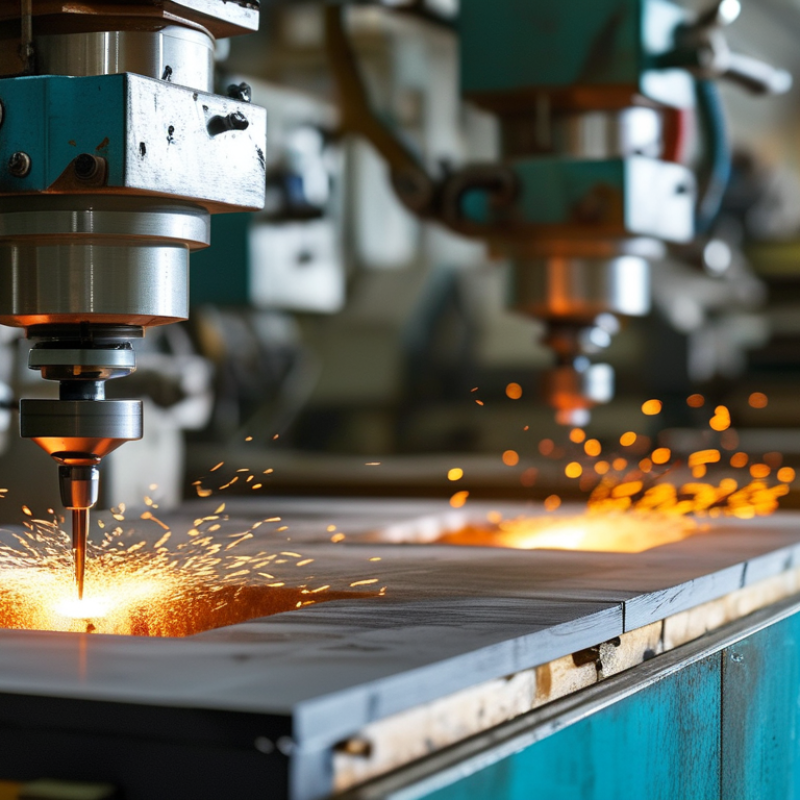
Essential Guide to Upgrading Your Plastic Processing Equipment?

Understanding the Importance of Upgrading Plastic Processing Equipment

Upgrading plastic processing equipment is crucial for manufacturers aiming to stay competitive. In the fast-evolving plastics industry, equipment can become outdated quickly. According to a recent report, about 30% of companies using older machines report efficiency losses. Upgrading can increase productivity by as much as 25%, translating to significant cost savings.

Modern equipment often incorporates advanced technology that enhances precision and reduces waste. Reports suggest that companies that upgraded their technology saw a 15% reduction in material waste. Furthermore, newer machines are typically more energy-efficient. This not only lowers operational costs but also aligns with sustainability goals.

Challenges exist in upgrading equipment. Transitioning to new technologies requires training and adjustment. Some employees may resist change, fearing job loss or skill obsolescence. This reluctance can hinder the full benefits of new equipment. Addressing these concerns through proper training and communication is crucial for a successful upgrade.

Assessing the Current Efficiency of Your Plastic Processing Setup

Assessing the current efficiency of your plastic processing setup is vital for successful operations. Begin by examining each component of your system, from feeders to extruders. Look for unusual patterns in output rates. How consistent are they? Inconsistent outputs can indicate potential issues with your machinery.

Consider the energy consumption of each machine. Are they consuming more power than expected? Higher energy bills can be a sign of inefficiencies. You might find that some machines are outdated and require professional attention. Monitor the maintenance logs; frequent repairs may highlight the need for an upgrade.

Analyze the quality of the finished products. Are they meeting industry standards? Flawed products not only waste materials but also impact your reputation. Engage your team in discussing these observations. They may notice problems overlooked by management. Reflecting on these aspects can drive necessary improvements for your operation.

Key Indicators That Signal the Need for Equipment Upgrades

Upgrading plastic processing equipment is crucial for maintaining efficiency and competitiveness. Key indicators that signal the need for upgrades include rising maintenance costs and decreasing production capacity. According to a recent industry report, over 70% of manufacturers report increased downtime due to outdated machinery. This downtime can severely impact overall productivity and profits.

Another important signal is a decline in product quality. Equipment that is not functioning optimally can lead to higher defect rates. A study found that nearly 25% of plastic production failures were linked to aging equipment. Additionally, modern processes often require advanced technology to meet stringent regulatory standards. Manufacturers must assess whether their current machinery complies with evolving industry regulations.

Finally, if energy costs are spiraling, it could be a sign to upgrade. Older equipment typically operates less efficiently, consuming more energy. Data indicates that energy-efficient machinery can cut energy costs by up to 30%. Upgrading not only mitigates these issues but also future-proofs operations against market shifts, ensuring sustainability and profitability.

Exploring the Latest Technologies in Plastic Processing Equipment

In the world of plastic processing, adopting the latest technologies is crucial. Many manufacturers are turning to advanced automation solutions. These innovations streamline production processes and enhance efficiency. Collaborative robots, or cobots, can operate alongside human workers. They improve safety while reducing fatigue. This balance between technology and human effort is vital in modern operations.

Furthermore, incorporating smart sensors into machinery is gaining momentum. These sensors provide real-time monitoring of equipment performance. They can detect potential issues before they escalate. However, integrating these systems requires a skilled workforce. Not every employee is accustomed to working alongside advanced technologies. Training becomes a significant factor in successful upgrades.

Moreover, investing in energy-efficient machines is becoming essential. They not only reduce operational costs but also minimize environmental impact. However, transitioning to these new systems can be challenging. Existing processes may need a complete overhaul. Ensuring that all stakeholders are on board is critical. As manufacturers embrace innovation, the balance between tradition and technology must be carefully navigated.

Cost-Benefit Analysis of Upgrading vs. Maintaining Existing Equipment

Upgrading plastic processing equipment can dramatically impact operational efficiency. A recent study revealed that companies that modernized their machinery experienced a 20% increase in productivity. However, the decision to upgrade versus maintain existing equipment is complex. Evaluating the cost-benefit ratio is vital for making informed choices.

Maintaining older machinery might seem cost-effective in the short term. Yet, older equipment often incurs higher maintenance costs, which can increase by 15% annually. Additionally, outdated machines often lack energy efficiency. Newer models promise up to 30% energy savings, translating to significant operational cost reductions.

When analyzing ROI, consider the downtime associated with older equipment. According to industry reports, unplanned downtime can cost manufacturers over $250,000 per hour. This figure highlights the potential financial strain of sticking with aging machinery. A thorough assessment should consider that investments in technology may lead to enhanced quality and reduced labor costs. Balancing immediate savings against long-term gains is key to making the right equipment decisions.

FAQS

: Why is it important to assess the efficiency of a plastic processing setup?

: Assessing efficiency helps identify issues affecting output and guides necessary improvements.

How can I identify machinery inefficiencies?

Look for unusual patterns in output rates. Inconsistencies often indicate potential problems.

What signal might indicate the need for equipment upgrades?

Rising maintenance costs and declining production capacity often suggest outdated machinery needs replacement.

How does aging equipment affect product quality?

Older machinery can lead to higher defect rates, resulting in flawed products that waste materials.

What is the benefit of upgrading equipment?

Upgrading can reduce energy costs by up to 30% and improve overall productivity substantially.

What should be considered in a cost-benefit analysis for upgrades?

Evaluate maintenance costs, energy efficiency, and potential downtime when deciding between upgrades and maintenance.

How does unplanned downtime impact manufacturers financially?

Unplanned downtime can cost over $250,000 per hour, emphasizing the importance of reliable equipment.

What role does team feedback play in assessing efficiency?

Engaging your team can reveal overlooked issues and contribute to a better understanding of operational problems.

Can energy consumption reveal machinery issues?

Yes, higher energy bills can indicate inefficiencies, suggesting that machinery may need attention.

Why might maintaining old equipment seem appealing?

It may look cost-effective initially, but it can lead to higher long-term costs and inefficiencies.

Conclusion

Upgrading plastic processing equipment is crucial for maintaining efficiency and competitiveness in the industry. The "Plastic Processing Equipment Upgrade Guide" emphasizes the significance of evaluating the current efficiency of your operations and recognizing key indicators that suggest an upgrade is necessary. These indicators may include frequent breakdowns, increased downtime, and higher energy consumption.

Furthermore, the guide explores cutting-edge technologies available in the market that can enhance processing capabilities and productivity. A thorough cost-benefit analysis is also essential, weighing the long-term advantages of upgrading against the potential costs of maintaining outdated equipment. By following these insights, businesses can make informed decisions that not only boost operational performance but also reduce overhead in the long term.

Liam

Liam

Liam is a dedicated marketing professional with a profound expertise in the industry, where he excels at highlighting the unique advantages of our core products. With a keen understanding of market trends and consumer needs, Liam frequently updates our company’s professional blog, providing......