Zhida Plastic Machinery Zhida Plastic Machinery

10 Essential Tips to Maintain Your Industrial Plastic Machines?

Time:2026-05-07 Author:Liam
0%

Maintaining industrial plastic machines is crucial for optimizing performance and extending their lifespan. According to a report by MarketsandMarkets, the global market for industrial plastics equipment is projected to reach $20 billion by 2025. This growth underlines the importance of reliable machinery in production processes. However, many companies fail to prioritize proper maintenance, resulting in unexpected downtimes and costly repairs.

How to maintain industrial plastic machines involves understanding their specific needs and operating conditions. For instance, regular inspections and cleaning can prevent fine particles from causing significant damage. Statistics show that 50% of machinery failures are due to neglect. Implementing a proactive maintenance schedule can help mitigate these issues and drive efficiency.

With increasing competition, companies must strive for excellence in production. Neglecting maintenance can lead to reduced output quality and a negative impact on the bottom line. By focusing on best practices, businesses can ensure their machines operate smoothly and remain competitive in a fast-evolving industry.
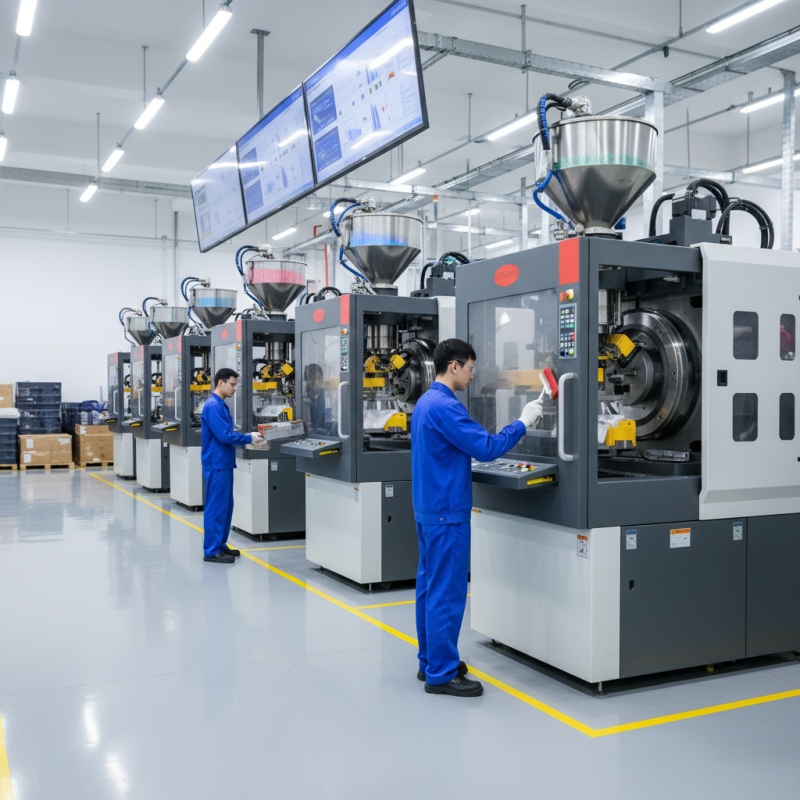
10 Essential Tips to Maintain Your Industrial Plastic Machines?

Understand the Importance of Regular Maintenance for Plastic Machines

Regular maintenance of industrial plastic machines is essential for optimal performance. According to a recent industry report, a well-maintained machine can improve efficiency by up to 25%. Neglecting maintenance can lead to costly downtime and repairs. Understanding the risks and benefits of regular upkeep is crucial for any operation.

One important tip is to develop a maintenance schedule. This should include daily, weekly, and monthly tasks. Regular inspections can help catch minor issues before they escalate. A study by the Plastic Industry Association shows that nearly 70% of machine failures result from a lack of preventive maintenance. Keeping a log of maintenance activities can enhance accountability.

Another crucial aspect is training employees. Properly trained staff are more likely to notice potential issues early. Invest in training sessions to keep your team informed. Inconsistent practices can lead to mistakes. Implementing standard operating procedures (SOPs) can help mitigate this risk. Remind your team that small lapses in maintenance can have significant consequences. This knowledge fosters a culture of care and attention to detail.

10 Essential Tips to Maintain Your Industrial Plastic Machines

Regular maintenance of industrial plastic machines is crucial to ensure longevity and efficiency. This chart represents the importance level of various maintenance tips, ranging from cleaning to staff training, indicating areas that significantly impact machine performance.

Establish a Routine Maintenance Schedule for Optimal Performance

Establishing a routine maintenance schedule is crucial for your industrial plastic machines. This step ensures optimal performance and extends the lifespan of your equipment. Regular checks should include inspecting critical components, such as belts, gears, and hydraulic systems. Missing even minor issues can lead to major breakdowns. A small leak today can escalate into a significant problem tomorrow.

Documenting maintenance tasks not only keeps you organized but also helps you understand your machine's health. Create a checklist tailored to your machines. Note down any irregular sounds or operational anomalies. Addressing these concerns promptly avoids bigger, costlier repairs.

While routines are essential, they aren't always perfect. You might forget to check a filter or overlook lubrication schedules. Acknowledging these slip-ups is part of the process. Revisit your schedule regularly to adjust it based on machine performance and usage. This reflective practice will enhance your maintenance plan and improve machine reliability over time.

Conduct Thorough Inspections to Identify Wear and Tear

Regular inspections are crucial for maintaining industrial plastic machines. Look for signs of wear and tear during each evaluation. Check belts, gears, and hydraulic systems carefully. Small issues can escalate quickly if ignored. Inspecting these components allows you to catch minor problems before they turn into major failures.

Understanding how wear affects machine performance is essential. Listen for unusual sounds during operation. A slight change in noise can indicate an underlying issue. Vibration is another red flag. Machines should run smoothly. If there's unexpected shaking, it’s time to investigate. Maintaining detailed logs can help track problems over time.

It’s important to be thorough but also realistic. Not every inspection will reveal issues. Sometimes, machines may appear to be functioning well but hide potential failures. A proactive approach is necessary. Don’t overlook what may seem minor. Frequent, detailed inspections ensure longevity and reliability for your industrial machines.

Implement Proper Cleaning Techniques for Longevity

Proper cleaning techniques are vital for maintaining industrial plastic machines. Regular cleaning prevents buildup of debris and contaminants that can hinder performance. Start by using appropriate cleaning agents that do not harm the machine’s surfaces. Solvents or mild soaps often work well. Ensure that all parts are accessible for thorough cleaning. This step reduces the risk of wear and tear.

Pay attention to accessible areas, especially where plastic materials come into contact. These zones can accumulate residue quickly. A soft brush or cloth can scrub off stubborn deposits. Avoid harsh scrubbing that could scratch the surface. Ineffective cleaning may lead to malfunctions or decreased efficiency, costing time and money.

Evaluate your cleaning schedule. A routine is necessary, but it should reflect the machine's usage. If the machine operates heavily, consider more frequent cleanings. However, don’t overlook the potential downsides of over-cleaning. Excessive cleaning might lead to wear on components. It's a delicate balance. Regular assessments can guide you in optimizing the cleaning frequency.

Train Operators on Best Practices to Prevent Damage

Training operators on best practices is crucial for maintaining industrial plastic machines. Knowledgeable operators can prevent costly damage and downtime. A solid training program should emphasize the importance of equipment operation. Operators need to understand each machine's specific requirements and capabilities. This includes familiarizing themselves with operational limits and safety protocols.

Hands-on training is essential. Simulated scenarios can help operators learn to respond to potential issues. For instance, exposing them to common problems like overheating or jams will build their confidence. Visual aids, such as charts and diagrams, can enhance the learning process. Regular refresher courses should be scheduled to reinforce best practices over time.

Moreover, creating a culture of continuous improvement is vital. Encourage operators to share their experiences and insights. This will help identify areas that need attention. Feedback from operators can lead to improvements in training methods and operational efficiency. Maintaining a proactive approach will ensure that machines run smoothly and safely.

FAQS

: Why are regular inspections important for industrial plastic machines?

: Regular inspections help catch signs of wear and tear early. Small issues can quickly escalate into major failures.

What should I listen for during machine operation?

Listen for unusual sounds. Changes in noise may indicate underlying problems that need attention.

How can I ensure my cleaning techniques are effective?

Use appropriate cleaning agents and avoid harsh scrubbing. This helps prevent damage to machine surfaces.

How often should I clean industrial machines?

Evaluate cleaning frequency based on usage. Heavily used machines may need more frequent cleaning.

What are the risks of over-cleaning?

Excessive cleaning can lead to wear on components. Finding a balance is crucial for machine longevity.

How can operator training impact machine maintenance?

Well-trained operators can prevent damage and downtime. They should understand machine specifics and operational limits.

What should a good training program include?

It should emphasize best practices and safety protocols. Hands-on training and refresher courses are essential.

How can operators contribute to machine maintenance?

Encourage operators to share experiences and feedback. This can help improve training methods and operational efficiency.

What signs indicate a machine is not performing well?

Unexpected vibrations and unusual noises are red flags. These signs warrant immediate investigation.

Conclusion

Maintaining industrial plastic machines is crucial for ensuring their longevity and optimal performance. Understanding the importance of regular maintenance helps in preventing costly downtime and extending the lifespan of the equipment. Establishing a routine maintenance schedule can significantly enhance operational efficiency and reduce the risk of unexpected failures.

To successfully implement "How to Maintain Industrial Plastic Machines," it is essential to conduct thorough inspections to identify signs of wear and tear. Additionally, employing proper cleaning techniques will contribute to the machines' durability. Finally, training operators on best practices will empower them to prevent damage and maintain high standards of operation. This comprehensive approach will not only uphold the machines' performance but also safeguard investments in industrial plastic manufacturing.

Liam

Liam

Liam is a dedicated marketing professional with a profound expertise in the industry, where he excels at highlighting the unique advantages of our core products. With a keen understanding of market trends and consumer needs, Liam frequently updates our company’s professional blog, providing......