Zhida Plastic Machinery
In the evolving world of plastic manufacturing, ensuring high-quality plastic pellets is essential for global competitiveness. Buyers increasingly demand consistency, durability, and environmental compliance from suppliers. The question arises: "How To Improve Plastic Pellet Quality?" This inquiry not only reflects market needs but also challenges manufacturers to rethink their production processes.
To achieve superior quality, companies must focus on raw material selection and processing techniques. Quality control measures, such as rigorous testing protocols, can identify flaws early on. Yet, many manufacturers overlook the importance of continuous staff training and the optimization of machinery settings. These components, when neglected, lead to variations in pellet quality that can impact customer satisfaction.
There is always room for improvement in the quest for quality. Regular feedback from buyers can uncover issues in the supply chain that may affect the product's final form. Embracing these strategies can fortify a company’s reputation and build lasting relationships with global buyers. Focusing on "How To Improve Plastic Pellet Quality" may seem daunting, but with the right approach, the benefits far outweigh the challenges.
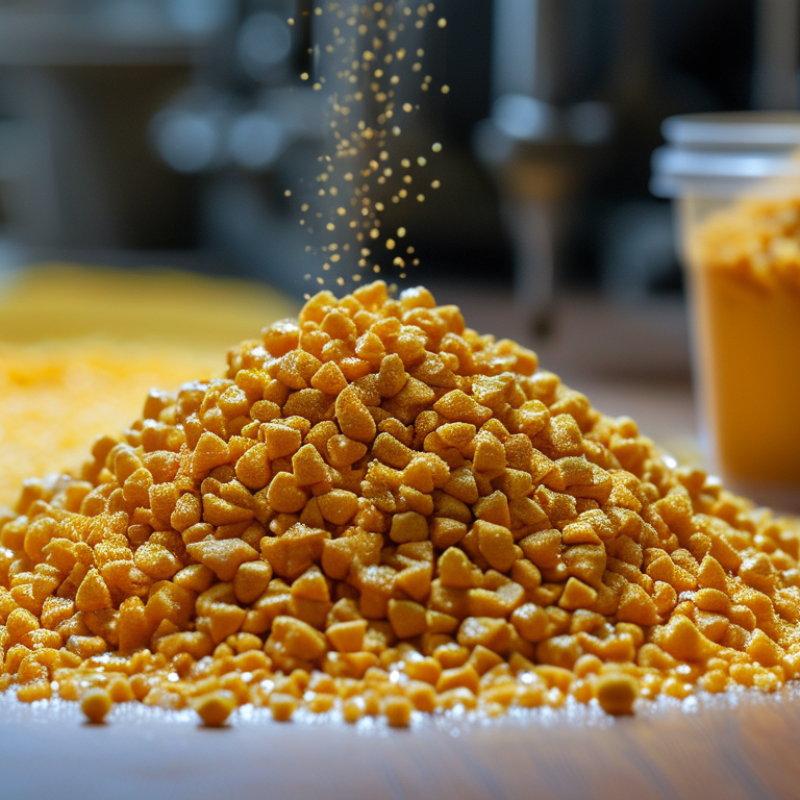
High-quality plastic pellets play a critical role in various industries. They serve as the foundation for a wide range of products, from consumer goods to automotive parts. When buyers receive inferior pellets, it can result in production delays and increased costs. Understanding the significance of quality ensures manufacturers meet customer needs effectively.
Several factors influence plastic pellet quality. For example, the type of resin used and the production process impact the final product. Contaminants during manufacturing can lead to weaknesses in the pellets. Buyers should insist on quality control measures throughout production. This includes rigorous testing for consistency and purity. Failure to adhere to these standards could result in significant losses.
A lack of education on the importance of pellet quality can lead to poor purchasing decisions. Buyers often prioritize cost over quality. This oversight can create long-term problems, including product recalls and brand damage. It is essential for stakeholders to acknowledge that investing in high-quality pellets pays off in the long run. Emphasizing education in material selection and supplier reliability should be a priority for companies aiming for success in their industries.
The quality of plastic pellets is crucial for global buyers. Several key factors influence this quality. First, the raw materials used in production significantly impact the final product. High-quality polymers lead to better performance. However, sourcing these materials can be a challenge. The need for a consistent supply chain is vital but not always achievable.
Processing conditions are equally important. Factors such as temperature and pressure during production can alter the characteristics of pellets. Inconsistent settings may cause variations in size and density. These irregularities affect the end-user's experience. Regular monitoring and adjustments are necessary, but they often require significant expertise.
Finally, the storage and handling of plastic pellets can affect their quality. Exposure to moisture or contaminants can lead to degradation. This situation demands careful management practices. Many companies overlook this aspect. It's essential to reassess methods to ensure high standards are maintained throughout the entire process.
Enhancing plastic pellet production is vital for meeting global buyers' demands. Quality starts with raw materials. Proper selection ensures consistency in the final product. Impurities can lead to defects. This affects the overall strength and appearance of the pellets. An effective quality control system helps spot these issues early. Testing raw materials before production can save time and resources.
The manufacturing process is equally important. Parameters like temperature and pressure should be monitored closely. Deviations can result in poor-quality pellets. Regular maintenance of machinery ensures optimal performance. Operators should be trained to handle equipment properly. Mistakes in operation can lead to waste and increased costs.
Feedback from customers can provide insights for improvements. Being open to criticism helps refine processes. It's essential to track production outcomes and analyze data. This reflection aids in identifying trends and addressing weaknesses. Continual learning will elevate your operation's standards. A commitment to improvement fosters trust with global buyers. Quality products lead to sustainable business growth.
Quality assurance in plastic pellet production is crucial for meeting global standards. Testing should focus on material composition, size, and physical properties. Advanced techniques like spectroscopy and microscopy can assess these characteristics. By employing these methods, manufacturers can identify impurities that compromise quality.
Regular audits of the production process are essential. These audits help to ensure that machinery operates within optimal parameters. Furthermore, training staff on quality standards can bridge the gap between theory and practice. Mistakes can occur, and it’s vital to create a culture of continuous improvement. This includes openly discussing issues that arise during testing.
Documentation of testing results is important for traceability. This record allows manufacturers to identify trends and rectify recurring issues. While many companies excel in this area, some still overlook this vital aspect. Quality assurance is not a one-time task but an ongoing commitment to excellence in plastic pellet production.
This chart shows the distribution of plastic pellet quality testing results across various parameters. The key metrics represent the quality assurance scores based on a scale from 0 to 100.
Improving the quality of plastic pellets is essential for meeting global buyer standards. Research shows that around 50% of buyers prioritize quality over price. This trend highlights the importance of maintaining high standards in production. By adopting strict quality control measures, manufacturers can enhance their pellets’ consistency and performance for various applications.
To meet these global standards, consider implementing advanced material testing techniques. Regularly assess chemical composition and physical properties to ensure they align with international specifications. Data indicates that only 40% of manufacturers perform adequate testing, which can compromise their market competitiveness. Investing in automated testing equipment can lead to better precision and reduce human errors in quality assurance.
One strategy involves focusing on sourcing raw materials from reputable suppliers. Reliable materials lead to improved pellet characteristics, such as strength and durability. Collaborate with vendors who demonstrate commitment to quality practices, as this will positively impact the final product. Improving the supply chain can be challenging but is essential for sustainable growth in the competitive plastics market. Engaging in continuous improvement and employee training can also elevate understanding and execution of quality standards.
: They are vital for various industries, ensuring products meet customer needs effectively.
They can cause production delays and increased costs, leading to significant losses.
The type of resin and the production process impact the final product.
By implementing rigorous quality control measures and insisting on testing for consistency and purity.
A lack of education on pellet quality can lead to poor purchasing decisions and long-term issues.
Adopting advanced material testing techniques and regularly assessing physical properties can enhance quality.
Reliable raw materials lead to stronger and more durable pellets, improving overall product quality.
Only about 40% perform sufficient testing, which can affect market competitiveness.
Continuous training elevates understanding and execution of quality standards within the company.
Yes, it can be challenging, but it is crucial for sustainable growth in the plastics market.
The article "Improve Plastic Pellet Quality for Global Buyers How To?" emphasizes the critical role of high-quality plastic pellets in meeting the demands of international markets. It explores key factors influencing pellet quality, such as raw material selection, processing techniques, and environmental conditions. To enhance production, the article highlights best practices that manufacturers can adopt, including optimizing processing temperatures and maintaining cleanliness in production facilities.
Furthermore, the importance of rigorous testing and quality assurance processes is underscored, ensuring that finished products meet the necessary standards and specifications. By incorporating effective strategies to align with global buyer expectations, manufacturers can successfully improve plastic pellet quality. Overall, the article serves as a comprehensive guide on "How To Improve Plastic Pellet Quality," helping producers to elevate their offerings and satisfy market requirements.
