In recent years, China has emerged as a leader in the plastic extrusion industry. However, maximizing extrusion efficiency remains a challenge. Understanding the "Key Factors in Plastic Extrusion Efficiency" is essential for manufacturers looking to enhance productivity and reduce costs.
Industry reports indicate that plastic production in China is projected to exceed 100 million tons by 2025. Despite this growth, inefficiencies in extrusion processes can lead to significant waste and increased energy costs. For instance, up to 30% of material can be lost during the extrusion process due to improper settings and suboptimal equipment. Addressing these issues directly impacts profitability and sustainability.
Utilizing advanced technologies, such as smart sensors and automation, can contribute to efficiency gains. Yet, many companies still rely on outdated methods. This inconsistency highlights the need for continuous training and investment in modern techniques. By focusing on these critical areas, the industry can work toward achieving more sustainable and efficient practices. However, the journey requires commitment and awareness of existing gaps in technology and knowledge.
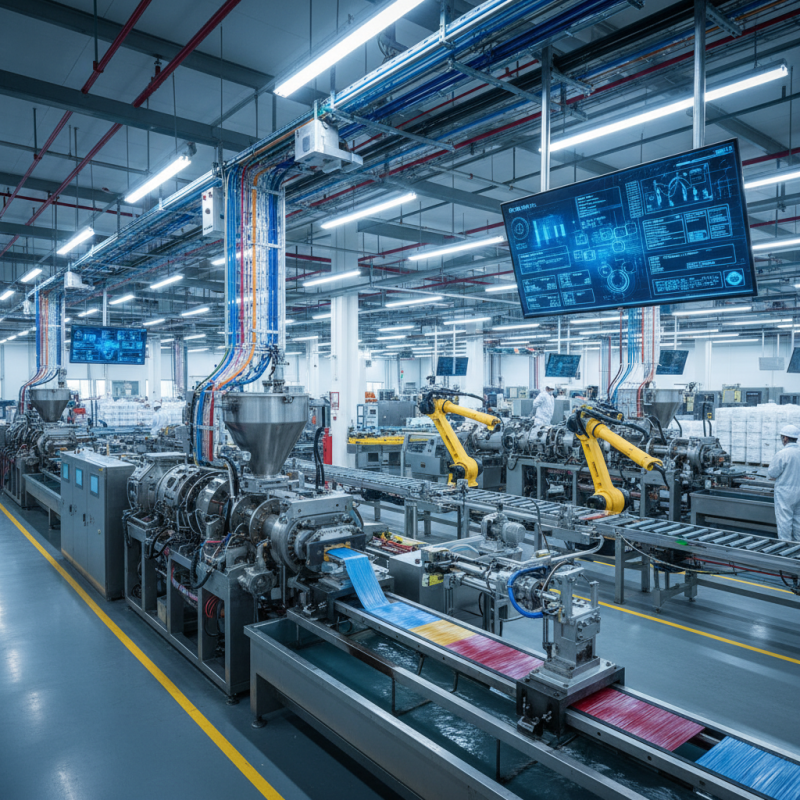
Key Factors Driving Plastic Extrusion Efficiency in China
Plastic extrusion is vital for various industries in China. Several factors are essential for enhancing extrusion efficiency. Advanced machinery plays a significant role. According to a report by the China Plastics Processing Industry Association, the efficiency of modern extruders can rise by 30% compared to older models. This improvement is noticeable in energy consumption and output speed.
Operator training is another key element. Skilled operators can adjust machine settings appropriately. They contribute to reducing defects and waste. A lack of training might lead to significant production losses. An estimated 15% of production efficiency can be lost due to improper handling. This highlights the need for continuous education in the workforce.
Material quality also impacts extrusion performance. Using consistent, high-grade materials reduces downtime and improves end-product quality. The American Plastics Council reported that inconsistent materials could increase scrap rates by up to 20%. Regular assessments of materials used in the extrusion process are necessary. This can help identify issues before they escalate into significant inefficiencies.
Understanding the Role of Technology in Plastic Extrusion
Technology plays a crucial role in enhancing plastic extrusion efficiency in China. Advanced machinery, such as modern extruders and control systems, allows for precise processing. Automated operations reduce human errors and increase output consistency. Real-time monitoring systems also provide critical data that helps adjust parameters on the fly.
However, not all technology implementations are seamless. Some manufacturers struggle with the adaptation of new equipment.
Training staff to operate sophisticated machines remains a challenge. Furthermore, integrating these technologies into existing workflows can lead to temporary disruptions. These factors can create inefficiencies rather than resolve them.
Despite these hurdles, the potential benefits are significant. Enhanced energy efficiency and reduced waste are often realized with improved technology. Companies able to navigate these challenges typically see higher productivity levels. Ultimately, embracing technology in plastic extrusion is a vital step toward staying competitive in the market.
Impact of Raw Material Quality on Extrusion Process Efficiency
The quality of raw materials significantly influences the efficiency of the plastic extrusion process. According to industry reports, using high-quality polymers can enhance production speed by up to 30%. This is crucial in China, where rapid growth in the plastic industry puts pressure on manufacturers to optimize processes.
Variations in raw material purity can lead to inconsistencies in the extrusion process. Impurities disrupt melting and flow characteristics. A study revealed that 15% of production downtime is linked to material quality issues. Manufacturers who invest in sourcing verified materials often report lower scrap rates and improved product performance.
Moreover, factors such as moisture content and particle size distribution can impact processing. When moisture exceeds 0.1%, it may cause bubbles or defects in the final product. To mitigate this, some producers are implementing advanced drying processes. However, these can be resource-intensive, reflecting a trade-off between efficiency and cost. Thus, ongoing evaluation of raw material quality and processing techniques remains essential for sustainable improvements in extrusion efficiency.
Key Factors Driving Plastic Extrusion Efficiency in China
| Factor |
Description |
Impact on Efficiency (%) |
| Raw Material Quality |
Purity and consistency of polymer materials used in extrusion |
20% |
| Temperature Control |
Maintaining optimal temperatures during the extrusion process |
15% |
| Screw Design |
Design and configuration of the extruder screw for better mixing and melting |
25% |
| Die Configuration |
The shape and design of the extrusion die |
10% |
| Operational Parameters |
Speed, pressure, and feed rate adjustments during production |
30% |
| Maintenance Practices |
Regular servicing and repair of machinery and equipment |
5% |
Importance of Skilled Labor in Enhancing Extrusion Output
In the realm of plastic extrusion, skilled labor plays a pivotal role in maximizing efficiency. Experienced operators understand the complexities of machinery and materials. This knowledge sharply impacts the quality and speed of production. They can quickly identify and resolve issues, reducing downtime.
However, the journey to mastery is not without its challenges. Many workers may lack adequate training or experience. This can lead to inconsistent output and waste, ultimately affecting profitability. Companies must invest in their workforce to cultivate expertise and enhance overall efficiency in production lines.
**Tip:** Encourage continuous learning through workshops and training programs.
Regular training sessions can bridge skills gaps and elevate productivity. Additionally, implementing mentorship programs can help inexperienced workers gain practical insights from seasoned professionals. The aim is to foster an environment of knowledge sharing.
**Tip:** Create a feedback loop for operators to voice concerns.
Listening to employees' experiences can reveal operational blind spots. Frequent check-ins can identify common issues before they escalate into significant problems. An engaged and informed team will ultimately contribute to more streamlined operations and higher extrusion outputs.
Regulatory Compliance and Its Influence on Production Efficiency
Regulatory compliance plays a pivotal role in enhancing plastic extrusion efficiency in China. It shapes the production processes that manufacturers adopt. Strict regulations govern waste management and emissions, pushing companies to innovate. Data from the China Plastics Processing Industry Association shows that firms adhering to these regulations saw a 15% increase in productivity due to streamlined operations. Yet, compliance also adds complexity. Some manufacturers struggle with changing laws. This can result in operational delays.
Environmental guidelines urge companies to optimize their resource use, leading to manufacturing advancements. Reports indicate that compliance with these eco-standards can reduce material waste by up to 30%. However, the evolving regulatory landscape can create confusion. Many firms report difficulties in keeping pace with updates, which can hinder efficiency. Regular training and updates are essential in this environment.
The balance between compliance and efficiency is delicate. While regulations strive for sustainability, they can impose significant operational pressures. Feedback from industry professionals highlights that integrating compliance from the design phase is often overlooked. Companies might rush to adapt without a holistic approach. This oversight can lead to suboptimal production outcomes, a challenge that warrants further assessment in future strategies.
Market Demand Trends Affecting Plastic Extrusion Practices in China
The plastic extrusion industry in China is witnessing significant changes due to evolving market demands. As more industries seek sustainable solutions, recycled plastics are gaining traction. The China Plastics Processing Industry Association reported that the demand for recycled materials will grow by 8% annually through 2025. This shift necessitates new extrusion techniques that can efficiently process these materials.
Additionally, there is a notable rise in customization demands from various sectors. Industries such as automotive and packaging are pushing for specific material properties. This trend leads to shorter production runs and requires more flexible extrusion processes. According to a report by MarketsandMarkets, the global demand for specialized extruded products is expected to reach $70 billion by 2024. Manufacturers must adapt, often confronting challenges in maintaining quality and speed while experimenting with new materials.
Furthermore, the regulatory environment is shifting. The Chinese government is imposing stricter environmental regulations, impacting production methods. Although many manufacturers are investing in cleaner technologies, the transition presents challenges. Striking the right balance between efficiency and compliance remains a critical focus. These dynamics present both opportunities and hurdles in achieving effective plastic extrusion practices in China.
FAQS
: It refers to how effectively the plastic extrusion process converts raw materials into finished products.
Advanced machinery can enhance efficiency by around 30%, improving energy use and output speed.
Skilled operators minimize defects and waste. Poor training may cause up to 15% production loss.
Using high-quality materials can boost production speed and reduce scrap rates significantly.
Impurities disrupt flow and melting, potentially causing 15% downtime in production processes.
Moisture should be below 0.1% to avoid product defects like bubbles.
Increased demand for recycled plastics is pushing for new techniques in the extrusion process.
Customization leads to shorter runs, requiring flexible processes while maintaining quality.
Stricter environmental laws are compelling manufacturers to adopt cleaner, compliant technologies.
Yes, balancing production speed and material quality often poses a challenge for manufacturers.
Conclusion
The article "Key Factors Driving Plastic Extrusion Efficiency in China" explores the essential elements that contribute to the effectiveness of the plastic extrusion process. Key factors in plastic extrusion efficiency include advancements in technology, which streamline production processes and enhance output quality. Furthermore, the quality of raw materials significantly impacts the efficiency of extrusion, as superior materials can lead to better performance and less waste.
In addition to technological and material considerations, the role of skilled labor is highlighted as a critical component in maximizing extrusion efficiency. Properly trained workers can navigate complex machinery and techniques, thereby increasing productivity. The article also discusses the regulatory landscape, which can influence production processes and efficiency, alongside the evolving market demand trends that shape plastic extrusion practices in China. Understanding these factors is vital for industry stakeholders aiming to improve their operational efficiencies.
 Zhida Plastic Machinery
