Zhida Plastic Machinery Zhida Plastic Machinery

2026 How to Overcome Plastic Industry Sustainability Challenges?

Time:2026-05-16 Author:Henry
0%

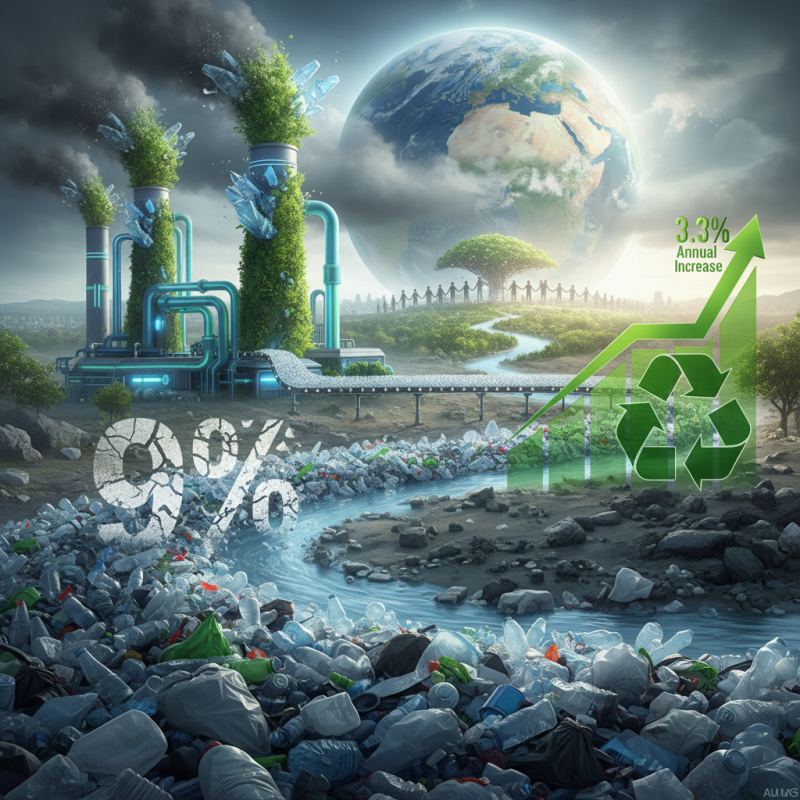
The Plastic Industry Sustainability Challenges have reached a critical point. In 2021, the global plastic production exceeded 368 million metric tons, contributing to environmental degradation and increasing pollution levels. Reports indicate that only 9% of plastic waste gets recycled. This troubling statistic highlights the urgent need for change.

Industry experts predict that, by 2026, plastic consumption may rise by 3.3% annually. As a result, companies face mounting pressure to adopt sustainable practices. Initiatives targeting biodegradable materials and recycling improvements are vital. However, these efforts often require significant investment and innovation.

Despite progress, many challenges remain. Public awareness of plastic’s environmental impact is growing, yet effective solutions are scarce. Businesses must rethink their strategies and collaborate with stakeholders to address these hurdles. The path forward involves acknowledging failures while striving for concrete results in sustainability efforts.
2026 How to Overcome Plastic Industry Sustainability Challenges?

Identifying Key Sustainability Challenges in the Plastic Industry

The plastic industry faces significant sustainability challenges. One major issue is plastic waste. Millions of tons of plastic end up in oceans and landfills each year. This not only pollutes the environment but also harms wildlife. Solution strategies are still developing, but urgency is rising.

Another challenge is the reliance on fossil fuels. The energy used in plastic production contributes to greenhouse gas emissions. Transitioning to renewable energy sources is necessary yet complex. Many companies lack the infrastructure to make this switch quickly. They often need more incentives and clear policies.

Additionally, recycling rates remain low. Many plastics are not recyclable or are contaminated. This leads to weaknesses in existing recycling systems. Innovation is necessary to develop better materials and processes. Education also plays a key role in changing consumer behavior. Without awareness, efforts to improve sustainability can stall.

Innovative Solutions for Reducing Plastic Waste and Pollution

Innovative solutions are crucial to tackle the plastic industry’s sustainability challenges. According to a 2022 report by the World Economic Forum, nearly 400 million tons of plastic are produced globally each year. A staggering 91% of this plastic is never recycled. This highlights the urgent need for systemic change in how we manage plastic.

New technologies are emerging to reduce plastic waste. Biodegradable polymers made from plant-based materials offer a promising alternative. Research indicates that these materials can decompose in months rather than centuries. Additionally, advanced recycling methods like chemical recycling can convert plastic back into its original monomers. This can dramatically reduce the volume of waste entering landfills, yet scalability remains an issue.

Consumer behavior plays a significant role. A survey found that 85% of consumers want brands to implement sustainable practices. However, many brands struggle to meet this demand. Transparency is often lacking in the supply chain. Companies need to invest more in educating consumers on the impact of plastic and sustainable options available. Collaboration across industries is essential to address these systemic barriers effectively.

The Role of Technology in Enhancing Plastic Recycling Efforts

The plastic industry faces significant sustainability challenges. Technology plays a vital role in enhancing recycling efforts. Innovative solutions are being developed to address plastic waste. These advancements aim to improve efficiency and reduce environmental impact.

One notable technology is advanced sorting systems. These systems use artificial intelligence to identify different types of plastics. They help streamline the recycling process. However, these technologies can be expensive. Many facilities struggle to justify the investment. Not all local governments can afford such upgrades.

Moreover, chemical recycling is gaining attention. This process breaks down plastics into original monomers. It makes recycling more efficient compared to traditional methods. Yet, the technology is still in its infancy. Scale-up challenges remain. Education and training are also crucial for workers. A skilled workforce is essential to operate new technologies effectively. Embracing these innovations may lead to better sustainability, but the industry must continually reflect on its practices and prepare for ongoing changes.

2026 Plastic Recycling Efforts: Challenges and Technological Solutions

This chart illustrates the percentage of plastic waste recycled over the past five years and the expected impact of emerging technologies by 2026. The data reflects advancements in recycling processes and the implementation of innovative technologies to enhance sustainability in the plastic industry.

Collaboration Among Stakeholders for Sustainable Practices in Plastics

Collaboration among stakeholders is crucial for overcoming sustainability challenges in the plastic industry. It brings together manufacturers, policymakers, and environmental groups. Each group provides unique insights and expertise. For instance, manufacturers have technical knowledge about creating biodegradable materials. This allows for innovation in product design. Policymakers can implement regulations to encourage sustainable practices. Environmental groups raise awareness about plastic pollution and its effects.

Engaging in joint initiatives can amplify these efforts. Consider multi-stakeholder workshops focused on shared goals. These workshops foster dialogue about sustainable alternatives to conventional plastics. Addressing the gaps in recycling infrastructure is essential. Stakeholders should work together to improve waste management systems. It’s important to recognize the complexity of this issue. Not all partnerships will succeed, and not all ideas will be adopted. Reflection is necessary to refine strategies.

Real-world examples highlight successes and failures. Some companies have completely reformed their plastic use. They achieved this through collaboration with local governments and NGOs. However, progress remains uneven. Certain regions continue to lag in adopting sustainable practices. Acknowledging these disparities is key to fostering meaningful collaboration. The path to a sustainable plastic industry requires ongoing commitment and adaptation. It’s a journey fraught with challenges that demand collective effort.

Regulatory Frameworks and Policies to Support Plastic Industry Sustainability

The plastic industry faces immense challenges in achieving sustainability. Effective regulatory frameworks can provide necessary guidance and support. Governments must establish clear regulations promoting recycling and reducing plastic waste. Policies should incentivize manufacturers to develop sustainable materials. For instance, stricter waste management laws can encourage companies to adopt circular economy practices.

However, creating regulations is not straightforward. Policymakers must strike a balance between industry competitiveness and environmental responsibility. There are often lobbying efforts from conventional plastic producers resistant to change. This resistance can slow down the adoption of eco-friendly practices. Moreover, not all countries have the same capacity to enforce these regulations, leading to unequal application.

Collaboration is essential. Stakeholders, including governments, NGOs, and consumers, must work together. Public awareness campaigns can promote responsible consumption. Charitable organizations can support innovation in sustainable materials. Yet, challenges remain. Resolving regulatory discrepancies across borders complicates global efforts. Continuous dialogue and adaptation of policies are necessary to address these multifaceted issues. The journey towards sustainability is complex, but proactive policies can illuminate the path forward.

FAQS

: What is one major sustainability challenge faced by the plastic industry?

: Plastic waste is a significant challenge, with millions of tons polluting the environment each year.

Why is relying on fossil fuels problematic for plastic production?

Fossil fuel reliance increases greenhouse gas emissions, contributing to climate change and environmental harm.

What is the recycling rate for plastic?

Alarming statistics show that about 91% of plastic produced globally is never recycled.

How can consumer behavior impact plastic sustainability?

Consumer demand for sustainable practices is high, but many brands are struggling to meet this expectation.

What innovative materials are emerging as alternatives to traditional plastics?

Biodegradable polymers made from plant-based materials can decompose much faster than conventional plastics.

What role do regulatory frameworks play in promoting sustainability?

Effective regulations can guide the industry, but balancing competitiveness and environmental responsibility is crucial.

Why is consumer education important in this context?

Education can shift consumer behavior, leading to increased awareness about plastic's impact and sustainable options.

What collaboration is necessary for improving plastic sustainability?

Cooperation among governments, NGOs, and consumers is vital to drive change in sustainable practices.

What are the challenges faced in creating effective regulations?

Resistance from conventional producers and varying enforcement capabilities across countries complicate regulation creation.

How can innovation help in waste management?

Advanced recycling methods, like chemical recycling, can significantly reduce landfill waste, yet scalability is an issue.

Conclusion

The article "2026 How to Overcome Plastic Industry Sustainability Challenges?" explores the critical issues faced by the plastic industry in its pursuit of sustainability. It identifies key challenges such as excessive plastic waste and pollution, highlighting the urgent need for innovative solutions that reduce environmental impact. The role of technology is emphasized, showcasing advancements that enhance plastic recycling efforts and improve the effectiveness of waste management systems.

Furthermore, the article discusses the importance of collaboration among various stakeholders, including manufacturers, governments, and consumers, to promote sustainable practices in the plastics sector. It also examines the regulatory frameworks and policies that can support these sustainability initiatives, ensuring a holistic approach to tackling Plastic Industry Sustainability Challenges. By addressing these factors, the industry can progress toward a more sustainable and responsible future.

Henry

Henry

Henry is a dedicated marketing professional with a profound expertise in the company's offerings. With years of experience in the industry, he possesses an impressive understanding of the market dynamics and consumer behaviors that drive success. Henry is committed to sharing his insights through......