Zhida Plastic Machinery
In the fast-evolving landscape of the plastics industry, consistent maintenance of machinery is critical. Poor upkeep can lead to unexpected downtime and increased costs. According to the Polymer Processing Society, 72% of production delays are due to machinery malfunctions. This statistic highlights the necessity of a comprehensive "Plastic Machinery Maintenance Checklist."
Expert Jason Markham, a renowned consultant in the field, emphasizes, "Neglecting maintenance can translate into substantial financial loss and safety hazards." His insights reinforce the importance of a diligent approach to machinery care. The stakes are high, and manufacturers must prioritize routine inspections and timely repairs.
Many companies overlook simple maintenance tasks, believing they are insignificant. However, even small issues can escalate quickly. A well-structured checklist not only boosts efficiency but also prolongs machinery lifespan. Investing time in maintenance reflects a commitment to quality and operational excellence. Manufacturing success relies heavily on these foundational practices.
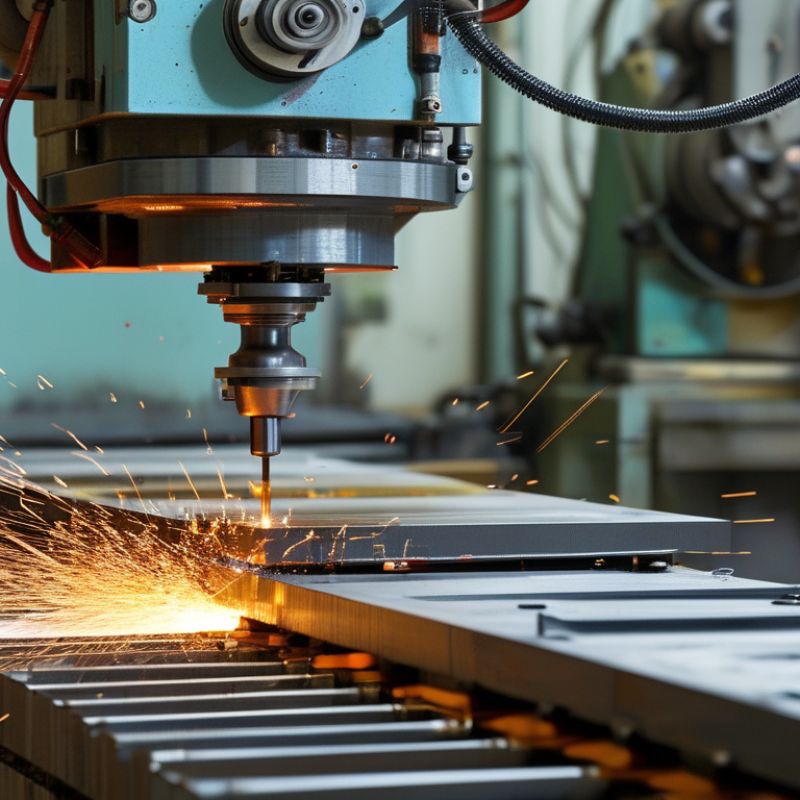
Plastic machinery plays a crucial role in manufacturing. Regular maintenance practices are essential to ensure optimal performance and longevity. Routine checks can prevent unexpected breakdowns and reduce downtime, allowing for smoother operations.
One key practice is to regularly inspect lubrication levels and apply fresh grease or oil. This simple task minimizes friction and wear on crucial components. It’s also important to keep the machinery clean. Dust and debris accumulation can lead to overheating or mechanical failure. Using air compressors can help blow out contaminants effectively.
Another critical aspect is monitoring temperature readings of the machinery. Overheating can signal issues that require immediate attention. Operators should also be trained to recognize unusual sounds or vibrations, as these may indicate potential problems. Sometimes, minor issues can escalate if not addressed promptly, leading to costly repairs. Investing in ongoing training about these maintenance tips can reinforce reliability and efficiency in production.
When maintaining plastic machinery, focus on essential components. This ensures efficiency and longevity. Regular checks on heating elements, such as heaters and thermocouples, are crucial. Look for signs of wear or damage. Clean heating surfaces to prevent malfunctions.
Lubrication of moving parts is vital. Use the correct type of lubricant. Over-lubrication can attract dirt; under-lubrication leads to wear. Regularly inspect bearings and gears. They are critical for smooth operation. Listen for unusual noises; they indicate issues.
Remember to check electrical systems. Look for frayed wires or loose connections. Faulty wiring can cause serious problems. Conduct regular inspections on safety features as well. Confirm that emergency stops and safety guards function properly. Regular upkeep prevents accidents and promotes reliability.
| Maintenance Component | Frequency | Checklist Items | Notes |
|---|---|---|---|
| Lubrication | Monthly | Check all bearings and moving parts, apply lubricant | Use appropriate lubricant for components |
| Cooling System Inspection | Quarterly | Inspect coolant levels, check for leaks and blockages | Ensure efficient cooling to prevent overheating |
| Electrical Connections | Every 6 months | Inspect wires, tighten connections, check for corrosion | Ensure safe operation and reduce fire risk |
| Filter Replacement | Monthly | Replace air and fluid filters as per standards | Clogged filters can reduce efficiency |
| Safety System Check | Monthly | Test emergency-stop buttons, check safety guards | Safety features are critical for operation |
| Operational Inspection | Weekly | Monitor machine performance, listen for unusual noises | Identify issues before they become major problems |
Maintaining plastic machinery is crucial for smooth operations. Proper tools can ensure effective upkeep. For instance, a reliable infrared thermometer is essential for monitoring temperatures to prevent overheating. Improper temperature management can lead to equipment failure, doubling repair costs.
Regular inspections require specific tools. A quality torque wrench is crucial for checking bolt tightness. Studies show that nearly 30% of machinery failures stem from loose components. This can easily be addressed with a proactive maintenance approach and proper tooling.
Additionally, using a vibration analyzer can help identify issues early. Excessive vibrations may indicate misalignment or wear. Reports indicate that early detection can reduce maintenance costs by up to 20%. However, not every company invests in monitoring equipment. Budget constraints often lead to neglect, risking long-term reliability and efficiency. Prioritizing the right tools can create a more resilient plastic machinery landscape.
When it comes to plastic machinery, regular maintenance cannot be overstated. According to a study by the Society of Plastics Engineers, failure to conduct timely maintenance can lead to production downtime of up to 20%. This statistic emphasizes the importance of a consistent maintenance schedule. For optimal performance, maintenance tasks should be categorized into daily, weekly, monthly, and annual frequencies.
Daily checks should include visual inspections of machinery, ensuring that all components are free of debris. Additionally, verifying that lubricants are at the proper levels is vital for smooth operation. Weekly tasks might involve more detailed inspections, such as assessing alignment and tension of belts. These checks, often overlooked, can greatly reduce wear and tear.
Monthly maintenance should focus on replacing any worn parts and cleaning filters. Data from industry reports indicate that machinery running with clean filters can operate up to 15% more efficiently. As for annual tasks, a complete overhaul of the machinery is necessary. This should include a thorough analysis of electrical systems and calibration. However, many facilities find budgeting for this annual maintenance challenging, which can often lead to unexpected breakdowns and costly repairs. Balancing these maintenance needs with production goals is an ongoing challenge for many buyers.
In plastic machinery maintenance, avoiding common pitfalls is essential. Reports indicate that nearly 30% of machinery failures stem from inadequate maintenance practices. One frequent mistake is neglecting regular lubrication. Over 40% of maintenance teams skip this critical task, leading to increased wear on components.
Another common error is improper training of personnel. A study showed that 25% of maintenance issues arise from untrained staff. This lack of expertise often results in mishandling machinery, causing costly breakdowns. It’s important to implement ongoing training sessions to ensure staff understand operational best practices.
Not keeping detailed service records can also be detrimental. Many operators overlook documentation, which can hinder troubleshooting efforts. Having a comprehensive log helps identify recurring issues and improves maintenance schedules. Lack of transparency may lead to unexpected downtime, impacting productivity. A well-maintained machine is a valuable asset, but neglect can turn it into a liability.
: Regularly check heating elements, lubrication systems, electrical connections, and safety features for efficiency and longevity.
Proper lubrication prevents wear and ensures smooth operation. Over-lubrication can attract dirt while under-lubrication causes damage.
Use tools like a vibration analyzer to detect excessive vibrations, which may indicate misalignment or wear.
Use an infrared thermometer for temperature checks and a torque wrench for ensuring bolt tightness during inspections.
Tasks should be categorized into daily, weekly, monthly, and annual frequencies for optimal machinery performance.
Conduct visual inspections to ensure all components are clean and that lubricants are at proper levels each day.
Weekly checks on alignment and belt tension are often overlooked but can significantly reduce machinery wear.
Replace worn parts and clean filters to improve efficiency, as clean filters can enhance operation by up to 15%.
Conduct a thorough overhaul of machinery, which includes analyzing electrical systems and calibrating equipment for optimal function.
Limited budgets can lead to neglect of necessary maintenance, resulting in unexpected breakdowns and increased repair costs.
Maintaining plastic machinery is crucial for ensuring optimal performance and longevity. A Plastic Machinery Maintenance Checklist should encompass essential practices such as routine inspections and lubrication, which help prevent unexpected breakdowns. Key components like motors, heaters, and conveyors should be regularly monitored to ensure they function effectively. Additionally, utilizing recommended tools for upkeep, such as wrenches and cleaning solutions, can enhance maintenance efficiency.
To maximize the performance of plastic machinery, it is vital to establish a schedule for maintenance tasks, which may vary in frequency depending on the machine's usage. Common mistakes, such as neglecting small repairs or overlooking the impact of environmental factors on machinery, should be avoided to prevent costly repairs and downtime. By adhering to a thorough maintenance checklist, buyers can safeguard their investments in plastic machinery and minimize operational disruptions.
