Zhida Plastic Machinery Zhida Plastic Machinery

Top 10 Plastic Manufacturing Automation Trends in China for Buyers

Time:2026-05-05 Author:Liam
0%

In recent years, the landscape of plastic manufacturing in China has undergone significant transformation. According to a report by Statista, the automation market for manufacturing industries, especially plastics, is projected to reach USD 30 billion by 2025. This growth underscores the importance of understanding the current Plastic Manufacturing Automation Trends that shape the industry.

As companies embrace automation, they face both opportunities and challenges. Advanced robotics and AI-driven solutions enhance efficiency and reduce labor costs. However, adopting these technologies can be daunting for many businesses. Reports indicate that 30% of manufacturers struggle with integrating automated systems. Addressing these gaps is crucial for sustaining competitiveness in a rapidly evolving market.

Moreover, the demand for sustainable practices pushes manufacturers to rethink their processes. Automation can optimize resource usage, but there remains resistance to change. Investors and stakeholders must consider the balance between innovation and traditional practices. Recognizing these Plastic Manufacturing Automation Trends will be vital for buyers aiming to navigate the complexities of this sector effectively.
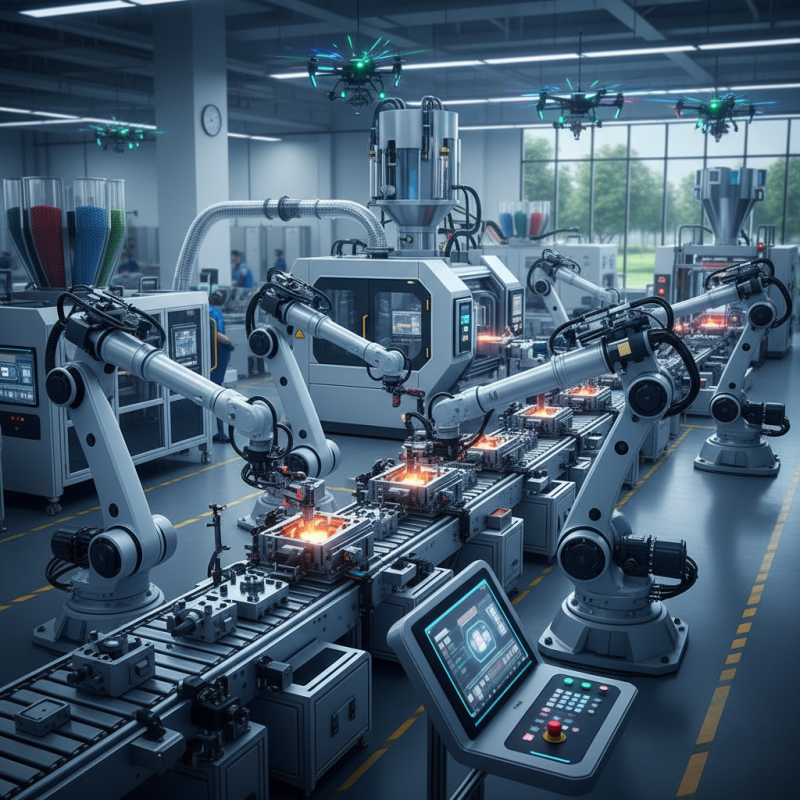
Top 10 Plastic Manufacturing Automation Trends in China for Buyers

Current State of Plastic Manufacturing Automation in China

The current state of plastic manufacturing automation in China reveals a dynamic landscape. Many companies are adopting advanced technology to improve efficiency. Automation has become essential for competitive advantage. Robots and intelligent systems are now used for various production processes. This shift helps in reducing labor costs and minimizing human error.

Despite the rapid advancements, challenges remain. Not all manufacturers have access to the latest technologies. Smaller companies struggle to implement these systems. There is also a gap in workforce training for operating new machinery. This lack of skills can hinder overall productivity. Moreover, the initial investment costs can deter many from transitioning to automation.

Hence, while there is significant progress, key issues still need addressing. Improved support and incentives could help smaller firms adopt automation. Collaboration between industry leaders and educational institutions may enhance training programs. Cultivating a skilled workforce will be crucial for future advancements in China's plastic manufacturing sector.

Top 10 Plastic Manufacturing Automation Trends in China

Emerging Technologies Driving Automation in Chinese Plastic Manufacturing

The landscape of plastic manufacturing in China is transforming rapidly. Emerging technologies are driving significant automation trends, enhancing efficiency and productivity. According to a recent report by the China National Information Center, the plastic manufacturing sector is expected to embrace automation technologies at a growth rate of over 16% annually through 2025.

Robotic process automation (RPA) is a key player. Factories are integrating RPA to reduce human error and speed up production. This shift allows manufacturers to focus more on complex tasks, such as quality control. Additionally, machine learning algorithms are optimizing production schedules, improving energy efficiency, and reducing waste. A study from the Ministry of Industry and Information Technology revealed that manufacturers employing these technologies saw a 25% increase in operational efficiency.

However, the transition is not without its challenges. Many companies struggle with the initial investment required for automation tools. There is a steep learning curve associated with advanced technologies. Training workers to adapt to automated processes often proves difficult. Reports indicate that nearly 30% of enterprises experience delays in automation due to these hurdles. Awareness of such issues can aid buyers in strategically planning their automation investments.

Key Benefits of Automation for Plastic Manufacturers in China

In recent years, automation in plastic manufacturing has gained significant traction in China. For manufacturers, implementing automation brings several key benefits. Enhanced efficiency is one of the most notable outcomes. Automation reduces manual labor, allowing machines to operate faster and longer without fatigue. This leads to consistent production rates and fewer errors.

Cost reduction is another crucial advantage. While initial investment in automation technology may seem high, the long-term savings on labor and operational costs make it worthwhile. Data shows that companies see a significant decrease in production costs, leading to higher profit margins. However, some manufacturers struggle with the initial transition. They may face challenges in training staff to work alongside advanced technology.

Quality control improves significantly with automation. Machines can maintain strict quality standards that might be hard for humans to replicate consistently, resulting in fewer defective products and increased customer satisfaction. Nevertheless, it’s crucial for manufacturers to continuously evaluate their systems to ensure optimal performance. Automation is not a one-size-fits-all solution; manufacturers must adapt technologies according to their unique needs and challenges.

Challenges Faced by Buyers in Adopting Automation Solutions

The push for automation in plastic manufacturing is gaining momentum in China. However, buyers face significant challenges in adopting these technologies. High initial costs deter many companies from making the leap. Even with a clear ROI, the upfront investment can be daunting. Many manufacturers struggle to find the budget needed to implement advanced automation systems.

Additionally, a lack of skilled workforce complicates the transition. Employees may require extensive training to operate new automated systems. This training can take time and disrupt production. Buyers often worry about automation replacing jobs, leading to resistance. Trusting new systems and their reliability is another barrier. Decision-makers may fear errors in production or maintenance issues, affecting product quality.

Cultural attitudes toward technology also play a role. Many businesses cling to traditional methods, fearing they may lose control over processes. This mindset can hinder innovation and slow down progress. Addressing these challenges is crucial for buyers looking to embrace automation in plastic manufacturing. However, it requires careful consideration and a shift in perspective.

Top 10 Plastic Manufacturing Automation Trends in China for Buyers - Challenges Faced by Buyers in Adopting Automation Solutions

Trend Description Challenge Impact on Buyers
Industrial IoT Integration of IoT devices for real-time monitoring. High initial investment costs. May deter small manufacturers from adopting technology.
AI and Machine Learning Utilization of AI for predictive maintenance. Lack of skilled workforce. Could lead to operational inefficiencies.
Robotics Automation Adoption of robotic arms for repetitive tasks. Integration complexity with existing systems. May increase downtime during transition.
Additive Manufacturing Use of 3D printing for prototypes and small runs. Material limitations and costs. Potentially reduces lead time.
Supply Chain Automation Automation in logistics and inventory management. Data synchronization issues. Can lead to stockouts or overstock situations.
Digital Twin Technology Virtual replicas of physical manufacturing processes. High costs and technical know-how required. Offers significant insights for operational efficiency.
Cloud Computing Storing and analyzing data on cloud platforms. Concerns about data security. Enables real-time data access across locations.
Smart Sensors Sensors that provide feedback for process optimization. Calibration complexities. Improves quality control processes.
Sustainability Initiatives Automation to support recycling and waste reduction. Compliance and regulatory challenges. Enhances corporate social responsibility image.
Data Analytics Using big data for trend analysis in production. Overwhelming data volumes. Improves decision-making processes.

Future Outlook for Plastic Manufacturing Automation Trends in China

China's plastic manufacturing sector is rapidly advancing toward automation. A recent report from MarketsandMarkets indicates that the automation market in this field is expected to grow at a CAGR of 8.5% between 2023 and 2028. This trend reflects how manufacturers aim to enhance efficiency and reduce costs.

Robotics and artificial intelligence are becoming central to production lines. They enable faster processing times and improve precision in manufacturing. According to Statista, 12% of plastic manufacturers in China are already using robotic solutions, making the industry more competitive globally. However, many companies still struggle with integrating these technologies. The initial investment and complexity of systems can pose significant challenges.

Tip: Consider conducting a thorough cost-benefit analysis before adopting new automation technologies. It helps in assessing the potential return on investment.

The push for sustainability also influences automation trends. China faces increasing pressure to minimize plastic waste. Many manufacturers are now exploring biodegradable materials and energy-efficient machines. The need for eco-friendly solutions drives research and development in automation processes. Yet, balancing innovation with practicality remains a concern. Manufacturers need to remain adaptable in this evolving landscape.

Tip: Regularly update your team on emerging technologies. Staying informed can significantly impact your company's competitive edge.

FAQS

: What role does robotic process automation play in plastic manufacturing?

: Robotic process automation reduces human error and speeds up production. It allows focus on complex tasks like quality control.

How is machine learning impacting plastic manufacturing?

Machine learning optimizes production schedules and improves energy efficiency. It helps reduce waste significantly during operations.

What is the expected growth rate for automation in plastic manufacturing by 2025?

The sector is expected to have over 16% annual growth in automation technologies through 2025.

What are the main challenges faced by companies in automation?

Companies struggle with initial investment and a steep learning curve for advanced technologies. This can delay automation efforts.

How does the push for sustainability affect automation?

Manufacturers explore biodegradable materials and energy-efficient machines. They seek eco-friendly solutions while balancing innovation and practicality.

What percentage of plastic manufacturers in China use robotic solutions?

Currently, 12% of plastic manufacturers have integrated robotic solutions into their production processes.

What should companies consider before adopting new automation technologies?

A thorough cost-benefit analysis is vital. It helps assess potential return on investment before making an investment.

Why is staying updated on emerging technologies important?

Regular updates can significantly enhance a company's competitive edge in an evolving manufacturing landscape.

What impact did automation have on operational efficiency?

Companies employing automation technologies saw a reported 25% increase in operational efficiency. However, challenges may still exist.

Are there delays in automation adoption?

Yes, nearly 30% of enterprises experience delays due to investment hurdles and adapting workers to automated processes.

Conclusion

The article on "Top 10 Plastic Manufacturing Automation Trends in China for Buyers" explores the current landscape of automation within the Chinese plastic manufacturing sector. It highlights emerging technologies that are driving these automation trends, such as advanced robotics and artificial intelligence, which are enhancing production efficiency and accuracy. The key benefits of automation are also examined, including cost reduction, increased productivity, and improved product quality, making it an attractive option for manufacturers.

However, buyers face challenges in adopting these automation solutions, including high initial costs and the need for skilled labor. Looking forward, the future outlook suggests that as technology continues to evolve, Plastic Manufacturing Automation Trends will increasingly become integral to the industry, driving innovation and competitive advantage.

Liam

Liam

Liam is a dedicated marketing professional with a profound expertise in the industry, where he excels at highlighting the unique advantages of our core products. With a keen understanding of market trends and consumer needs, Liam frequently updates our company’s professional blog, providing......