Zhida Plastic Machinery
Plastic Processing Equipment Safety Guidelines are essential for ensuring a secure working environment in the industry. These guidelines help prevent accidents and protect workers. Suppliers in China must adhere to these standards to maintain safety and reliability.
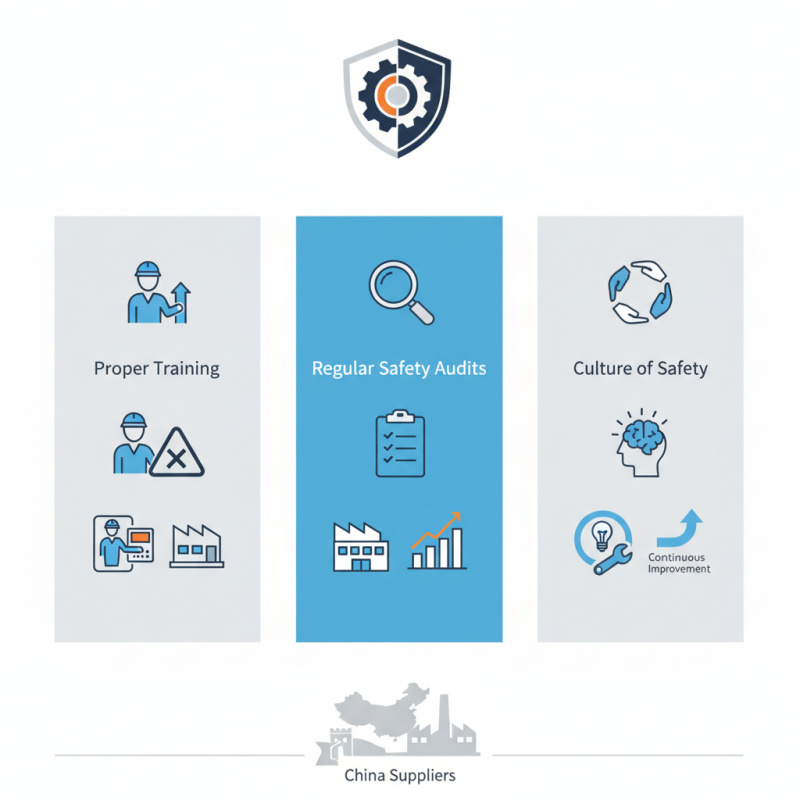
Proper training is key. Workers need to understand equipment operation and safety measures. They should also recognize hazards associated with plastic processing. Regular safety audits can highlight areas that need improvement.
Adopting a culture of safety is vital. Suppliers must prioritize ongoing education and updates to safety protocols. By doing so, they foster a safer workplace while also minimizing risks. Reflection on current practices can reveal weaknesses, ensuring a commitment to continuous improvement.
Plastic processing equipment presents various hazards that workers and suppliers must address. Common risks include mechanical, thermal, and chemical hazards. According to the Occupational Safety and Health Administration (OSHA), a significant number of injuries in the manufacturing sector relate to machine operations and maintenance. Additionally, the International Labour Organization (ILO) reported that over 2 million workers die annually due to workplace accidents, emphasizing the need for safety in plastic processing.
Implementing effective safety protocols is crucial. Workers should receive proper training on equipment usage. Regular inspections can prevent malfunction and accidents. For example, more than 60% of equipment-related injuries stem from inadequate machine guarding. Establishing clear guidelines on emergency shutdown procedures can minimize risks.
Tips: Always wear personal protective equipment (PPE) when operating machinery. Conduct routine safety drills to ensure preparedness. Encourage a culture of safety where employees voice concerns about hazards. Inadequate attention to these details can lead to fatal mistakes. Adopting safety measures creates a safer work environment, promoting both health and productivity.
In the evolving landscape of plastic processing equipment, compliance with regulatory standards is crucial for suppliers in China. The demand for safety and quality has intensified, especially following reports indicating that nearly 30% of machinery failures are linked to inadequate safety measures. Suppliers must focus on meeting industry regulations such as the ISO 9001 standards. These measures ensure quality management systems are in place, which can significantly reduce risks and liabilities.
The Chinese government has implemented various safety regulations, including GB standards that define safety requirements for machinery. A recent study revealed that non-compliance can increase operational costs by up to 15% due to potential fines and equipment downtime. Suppliers should prioritize training their staff on these regulations, fostering a culture of safety that aligns with global best practices. Many companies struggle with this; a systematic approach to compliance can seem daunting and requires continuous evaluation of current practices.
Further examination of credible data shows that countries with rigorous safety standards experience 50% fewer workplace accidents. However, suppliers often overlook regular safety audits. Small adjustments in processes can lead to significant improvements in worker safety and equipment longevity. Compliance isn't just a legal necessity; it's a pathway to operational excellence and long-term success in the competitive market.
In the plastic processing industry, safety is paramount. A recent report from the International Association of Plastics Innovation highlights that around 20% of workplace injuries are related to machinery. Proper safety features in equipment are essential to mitigate this risk. Emergency stop buttons, for instance, are crucial. They allow operators to quickly terminate machinery functions in emergencies. Regular drills on using these features can save lives.
Another critical safety aspect is the presence of guards and barriers. According to the Occupational Safety and Health Administration (OSHA), unguarded machinery is a significant hazard. Guards help prevent accidental contact with moving parts. Regular inspections can ensure these safety measures are in place and effective.
Moreover, clear labeling and signage should not be overlooked. Simplified instructions can reduce the risk of operator error. Studies suggest that up to 40% of accidents stem from human mistakes. Training programs that emphasize the importance of these safety features are vital. Continuous education helps create a culture of safety awareness.
Training and education are crucial for safe use of plastic processing equipment. Industry statistics show that over 30% of workplace accidents result from improper equipment handling. Such accidents often occur due to insufficient training and lack of awareness about safety protocols. Regular training sessions can significantly reduce these incidents.
Effective training programs should include hands-on practice and detailed safety instructions. Participants often retain knowledge better through active engagement. For example, simulations of emergency scenarios can prepare workers for real-life situations. Studies indicate that companies with comprehensive training experience up to 50% fewer safety incidents.
However, many suppliers overlook ongoing education. Once employees complete initial training, they may not receive updates on new technologies or safety measures. This gap creates risks as equipment and procedures evolve. Continuous education fosters a culture of safety, ultimately leading to a decrease in accidents and injuries in the workplace. Engaging employees in regular safety drills can help maintain a high level of awareness and readiness.
| Guideline Category | Description | Training Frequency | Responsible Party |
|---|---|---|---|
| Personal Protective Equipment (PPE) | Ensure all operators wear appropriate PPE including gloves, goggles, and masks. | At initial training and annual refreshers | Safety Officer |
| Machine Safety Interlocks | Verify that all safety interlocks are functional before machine operation. | Every shift | Machine Operators |
| Emergency Procedures | Conduct drills for emergency shutdown procedures and evacuations. | Quarterly | All Employees |
| Equipment Maintenance | Regularly scheduled maintenance and inspections of processing equipment. | Monthly | Maintenance Team |
| Material Handling Safety | Train staff on safe lifting techniques and equipment for material handling. | At initial training and as needed | Safety Officer |
Ensuring the safety of plastic processing equipment is vital for suppliers in China. Regular maintenance and inspection practices help prevent accidents and downtime. Equipment should be checked frequently for wear and tear. This includes belts, pulleys, and electrical components. Signs of damage should be addressed immediately. Operators must be trained to recognize potential issues early.
Tips: Regularly schedule maintenance checks. Keep a detailed log of all inspections. This can prevent minor issues from becoming major problems.
Ensure safety guards are in place. These protect operators from moving parts. Equipment should be powered down during maintenance. This simple step can prevent injuries.
It's important to reflect on how maintenance practices are implemented. Consistency is key, but it’s easy to overlook details during busy periods. Regular training refreshers can reinforce the importance of safety culture within the workplace. Safety must always be a priority, not an afterthought.
: Common hazards include mechanical, thermal, and chemical risks. Awareness of these is crucial for safety.
Proper training helps workers safely operate machinery and understand emergency procedures. Untrained workers risk injuries.
Equipment should be inspected frequently, especially for wear and tear. Regular checks prevent major issues.
Non-compliance can lead to higher operational costs and potential fines. It may also increase machinery failures.
PPE is essential for protecting workers from various hazards. It significantly reduces risk during operations.
Suppliers should encourage open discussions about hazards. This helps create a proactive safety environment.
Regularly scheduled maintenance checks and detailed logs are vital. They help identify and prevent issues early.
Many companies find the process daunting. However, regular audits can greatly enhance safety and compliance.
Small changes, like ensuring safety guards are in place, can lead to significant enhancements in workplace safety.
A strong safety culture boosts morale and can enhance productivity. When employees feel safe, they perform better.
The "Plastic Processing Equipment Safety Guidelines" for suppliers in China emphasize the importance of understanding the hazards associated with plastic processing equipment. These guidelines outline key regulatory compliance standards that must be adhered to, ensuring that equipment meets safety requirements and protects workers.
Additionally, the guidelines highlight critical safety features that should be integrated into plastic processing equipment, such as emergency shut-off mechanisms and guards. Training and education are essential components for safe equipment use, equipping operators with the necessary skills and knowledge to handle equipment properly. Regular maintenance and inspection practices are also crucial to ensure ongoing safety and performance, minimizing the risk of accidents and enhancing operational efficiency. By following these comprehensive safety guidelines, suppliers can create a safer working environment and promote responsible practices within the industry.
