Zhida Plastic Machinery
Plastic production uses energy at several connected stages, from drying resin to melting, shaping, cooling, and moving finished parts. A small inefficiency in one area can persist across long production runs. Small losses add up.
How To Reduce Energy Consumption In Plastic Production starts with understanding where energy is actually used. Meter readings, machine logs, and production records can help teams compare energy use with output. The numbers may reveal a resin dryer running longer than needed, a barrel heater cycling unevenly, or a compressed-air leak near a molding cell. These are practical clues, not automatic proof of waste; process conditions and product quality still matter.
This guide explores measures manufacturers can assess, including dryer controls, efficient motors, insulation, preventive maintenance, and better scheduling. It also considers process settings, because changing temperatures or cycle times without testing can create scrap or unstable products. That trade-off is easy to overlook. An energy-saving adjustment should be checked against product specifications, equipment guidance, and measured results.
There is no universal setting that suits every resin, machine, or factory. Older equipment may have limited controls, while newer systems can still be poorly maintained. A useful plan begins with a clear baseline, prioritizes changes with realistic payback, and verifies performance after implementation. The aim is steady, documented improvement—not a dramatic promise unsupported by plant data.
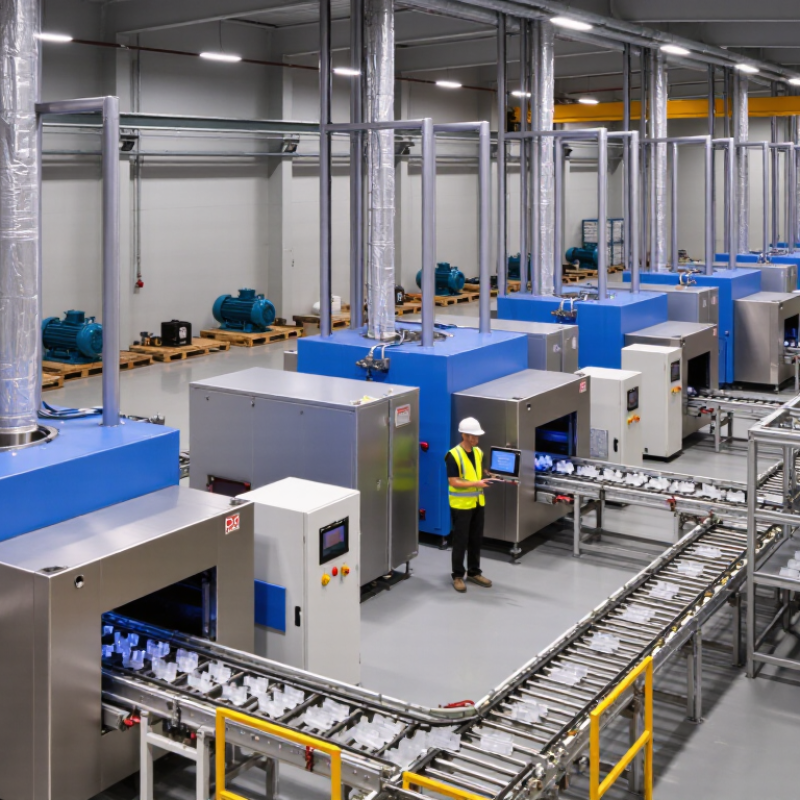
Assessing energy use in plastic production starts with clear boundaries. A monthly electricity bill alone can hide where energy is being consumed. Separate purchased electricity from on-site fuel, and distinguish process energy from the energy contained in raw materials. This avoids counting feedstock energy as factory consumption. Measure major stages individually, including resin preparation, drying, extrusion, molding, and cooling. Meter readings can reveal whether barrel heaters, hydraulic systems, or compressed air drive demand. Small loads add up.
Compare energy per kilogram of saleable product, not just total site consumption. Include rejected parts, startup scrap, and regrind consistently; otherwise, two production lines may look comparable when they are not. Record operating conditions too. A dryer running during a low-output shift can distort a weekly average, while frequent color changes may raise heating and cleaning demand. Submeters and production logs help connect these patterns, though imperfect sensors and missing shift records can leave gaps. Note those gaps rather than presenting estimates as exact. Reviewing readings by machine, shift, and product type gives engineers a more useful picture than a single plant-wide figure.
Extrusion and molding lines often waste energy while holding temperature, pressure, or speed beyond what the part needs. The International Energy Agency’s Energy Efficiency 2023 report estimates that industry uses about 37% of global final energy. That makes small process gains worth measuring. Log kilowatt-hours per kilogram alongside scrap, cycle time, and product quality. On an extruder, check barrel-zone settings and melt temperature before lowering heat; unstable temperatures can create defects and extra purging. In molding, compare actual cycle requirements with cooling time and hydraulic pressure. Efficient electric drives can help, but only when matched to the machine and workload. Small changes add up.
Tips: Start with a baseline. Inspect heaters, insulation, and cooling-water flow. Avoid running idle equipment through long breaks; set a restart procedure instead. The U.S. Department of Energy’s compressed-air sourcebook notes that leaks can waste 20–30% of compressor output. Check fittings with a leak detector, then repair and recheck. Track results by shift, not just by monthly bills.
Not every line has a neat fix. Resin moisture, mold design, ambient heat, and operator habits all affect energy use. A lower setpoint that raises scrap is not a saving. Trial adjustments on one machine, record the settings, and keep the change only when energy per good kilogram falls without harming quality.
Plastic production sheds energy through hot barrels, cooling loops, dryers, and compressed-air leaks. The U.S. Department of Energy’s 2008 industrial waste-heat report estimates that 20–50% of industrial energy input may leave as waste heat. That range covers many industries, not plastics alone, so each plant needs its own heat audit. A practical starting point is logging extruder-zone temperatures, chiller loads, and exhaust temperatures during normal production.
Recover heat where temperatures and process needs match. Warm incoming process water with chiller condenser heat, or use suitable exhaust heat to preheat wash water. Keep resin drying requirements in view; added moisture can harm processing, and heat exchangers need regular cleaning. The DOE’s compressed-air sourcebook notes that leaks commonly waste 20–30% of compressor output in industrial systems. Ultrasonic leak checks and pressure logging can reveal losses, though repairs may expose new leaks later. Small gains matter. A retrofit can disappoint when production schedules change or sensors drift; verify savings against output, not just utility bills.
Tips: Record baseline energy use per kilogram of product. Check compressed-air leaks during quiet shifts. Insulate hot pipes, then recheck surface temperatures. Trial one heat-recovery loop before scaling up, and document cleaning needs as well as savings.
Indicative potential reduction in facility energy use by efficiency measure
Waste-heat recovery and utility optimization can reduce energy demand. Actual savings depend on equipment, operating conditions, and the factory’s energy baseline; ranges are indicative and should not be added together because measures may overlap.
Energy use in plastic production is shaped by decisions made before processing begins. Match resin choice to the part’s actual performance needs; excess material specifications can increase processing demands without improving the product.
When using recycled resin, check each lot’s moisture and melt-flow behavior. These properties can vary, so drying and temperature settings may need adjustment.
Over-drying wastes energy, while insufficient drying can create defects and scrap.
Production planning can reduce repeated heating, purging, and idle time. Group compatible materials or colors into longer runs when quality requirements allow.
Keep changeovers practical: a schedule that looks efficient on paper may cause delays if demand shifts or a machine needs maintenance. There is no perfect schedule.
Review actual run data, including energy per kilogram, scrap rates, and downtime, then revise the plan. Small changes matter.
A clean heater, a well-sealed barrel, and fewer unnecessary start-ups can make energy use more predictable.
Some improvements will not work equally well on every line, so test adjustments on a limited run and document both energy use and product quality.
Energy tracking in plastic production starts with a clear baseline, not a dashboard. Record electricity, gas, and compressed-air use by process area, then compare them with kilograms of saleable resin or finished parts. Keep machine run hours, resin type, recycled content, and product thickness alongside each reading. Otherwise, a lighter product mix can look like an efficiency breakthrough. That is misleading.
Use submeters where practical, especially on extrusion, drying, cooling, and mold heating. Review energy per kilogram weekly, but also inspect peak demand and idle-time consumption. An overnight meter reading can reveal heaters or air systems left running between shifts. Verify improvements through a controlled before-and-after period with similar production conditions. Check meter calibration and note downtime, maintenance, and material changes. Small differences matter. Yet not every gain survives a busy month; operators may override settings when quality slips. Treat that as useful evidence, not failure: investigate the trade-off, repeat the measurement, and document what changed.
Log extruder temperatures, chiller loads, and exhaust temperatures during regular production. Start with real readings.
Estimates range from 20% to 50% across industries. Plastics plants need their own heat audit; that range is not plastics-specific.
Use suitable chiller heat to warm incoming process water, or exhaust heat to preheat wash water. Check temperatures first.
Keep resin drying needs in view because extra moisture can harm processing. Clean heat exchangers regularly. It’s easy to overlook.
Check for leaks during quiet shifts using ultrasonic tools, and log system pressure. Repairs may reveal more leaks later.
Track electricity, gas, and compressed air by process area. Compare use with kilograms of saleable product, not bills alone.
Record machine hours, resin type, recycled content, and product thickness. A lighter product mix can create a misleading improvement.
Compare before-and-after readings under similar production conditions. Check meter calibration and note downtime, maintenance, and material changes.
Check whether operators changed settings to protect product quality. Repeat the measurement and document the trade-off. One trial may disappoint.
Reducing energy use in plastic production starts with understanding where power is consumed across the factory, from material handling and heating to extrusion, molding, cooling, and finishing. A process-by-process assessment can reveal equipment operating inefficiently, unnecessary idle time, and opportunities to improve settings. Practical measures include maintaining machinery, optimizing temperature and pressure, improving cycle times, and matching equipment output to production needs.
How To Reduce Energy Consumption In Plastic Production also involves capturing waste heat and improving the performance of factory utilities such as compressed air, pumps, and cooling systems. Material choices and production planning can further reduce demand by limiting excess processing, scrap, and equipment changeovers. To confirm that improvements are working, facilities should track energy use against production output, establish clear performance measures, and review results consistently. This approach supports lasting efficiency gains while helping maintain product quality and reliable operations.