Zhida Plastic Machinery
Choosing the right equipment in plastic manufacturing is crucial. The global plastic industry is projected to reach $650 billion by 2025. This growth makes it essential to understand "How To Select Plastic Manufacturing Equipment" effectively. Experts emphasize the importance of this selection process.
John Smith, a renowned expert in the field, stated, "The right equipment can enhance productivity and quality tenfold." His insight reflects the experience needed to navigate this complex landscape. Selecting appropriate machinery is not just about brands; it is about understanding specific needs.
Decisions often rely on performance data, costs, and technological advancements. However, many manufacturers struggle with outdated machines or improper equipment. This misalignment can lead to inefficiencies. Industry reports highlight that 30% of operational costs stem from poor equipment choices. Careful consideration and expertise are vital to avoid these pitfalls.
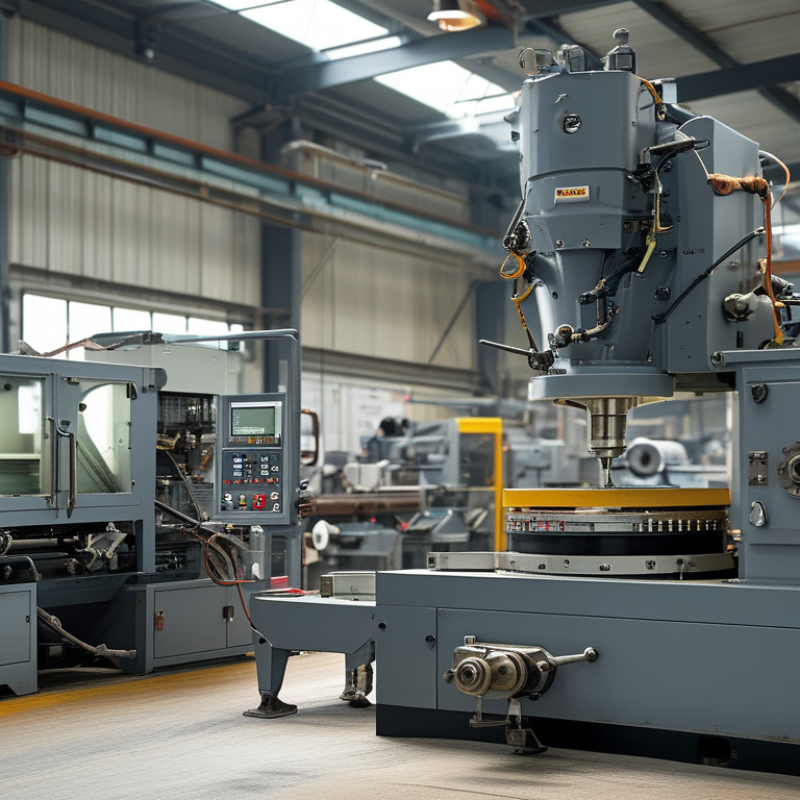
Understanding your plastic manufacturing needs is crucial
for selecting the right equipment. Different processes require specific machines. Identify
the type of plastic products you aim to produce. Consider the volume and complexity of your
production. Are you focusing on large quantities
or specialized items? These factors significantly influence your choice of machinery.
When evaluating equipment, keep in mind the materials
you'll use. Not all machines accommodate every type of plastic. For instance, some machines are
designed for thermoplastics only, while others handle thermosetting plastics.
Understand your material properties to avoid costly mistakes.
Tips:
When selecting plastic manufacturing equipment, understanding the types available is crucial. The market offers various machines for different processes. Common types include injection molding machines, blow molding machines, and extrusion machines. According to industry reports, injection molding accounts for approximately 32% of the market share in plastic processing. This highlights its importance in producing intricate designs and high-volume parts.
Injection molding machines are renowned for their efficiency. They can produce thousands of identical items with great speed. Blow molding, on the other hand, is ideal for creating hollow plastic products, like bottles. This process accounts for around 19% of the plastic manufacturing market. It's essential to consider the type of products you wish to create when selecting equipment types.
However, not all equipment suits every facility. For instance, some machines require more space and maintenance than others. Reports suggest that improper equipment selection leads to inefficiencies and increased costs. A thorough analysis of production needs and space limitations is vital. Making informed choices can make a significant difference in operational success.
Selecting the right plastic manufacturing equipment is crucial for optimizing production and ensuring quality. There are several factors to consider during this process, ranging from operational needs to technological advancements. Industry reports suggest that 70% of manufacturers prioritize efficiency and versatility in their equipment choices.
One key aspect is understanding the specific requirements of your production line. Consider the type of plastics you will work with and their properties. Equipment must accommodate these materials effectively. For example, certain machines excel at processing thermoplastics, while others are designed for thermosetting plastics. This distinction affects production speed and quality.
Tip: Regularly review equipment performance metrics. Identifying underperforming machines can create opportunities for improvement.
Another factor is the integration of technology. Equipment with smart features can enhance productivity. According to a recent survey, 65% of manufacturers reported increased efficiency after implementing advanced technology like IoT and automation. However, the upfront costs can be daunting and might require a comprehensive evaluation of long-term benefits.
Tip: Consult industry benchmarks when assessing upgrades. They can provide essential context for your decisions.
Lastly, consider the service and support offered by equipment providers. Reliable support ensures that any issues can be addressed promptly, minimizing downtime. While researching, it is important to evaluate customer feedback on service quality.
Balancing these factors can be challenging. There might be instances where equipment doesn’t meet initial expectations, necessitating a re-evaluation of choices. Continuous improvement should be a priority for sustained success in plastic manufacturing.
| Factor | Description | Importance Level |
|---|---|---|
| Type of Plastic | Determine the specific type of plastic you will be working with, as different types require different processing equipment. | High |
| Production Volume | Consider the expected production volume to choose equipment capable of meeting your demand without wastage. | Medium |
| Budget | Establish a budget for the equipment purchase, maintenance, and possible upgrades in the future. | High |
| Technology & Features | Assess the technology level of the equipment and any additional features that may enhance performance or efficiency. | Medium |
| Maintenance & Support | Check for availability of technical support and scopes of maintenance required for the equipment. | High |
| Scalability | Consider if the equipment can be scaled up for increased production demands in the future without significant additional investment. | Medium |
| Energy Efficiency | Evaluate the energy consumption of the equipment, as efficient machines can lead to cost savings over time. | Medium |
When selecting plastic manufacturing equipment, quality and reliability stand at the forefront. Equipment failure can lead to production delays and increased costs. According to a report by Grand View Research, the global plastic machinery market size was valued at $28.71 billion in 2021 and is expected to grow significantly. This sharp increase highlights the importance of investing in high-quality machinery.
Reliability can often be measured through the lifespan of equipment. A well-made machine can last over 10 years under consistent use. Conversely, unreliable machines may break down within three years, leading to significant financial losses. Industry experts recommend examining user reviews and performance data of machinery to gauge reliability. A study from the Society of Plastics Engineers found that 42% of companies experienced downtime due to equipment failure, often due to initially overlooked quality.
Proactive maintenance is crucial. Regular servicing helps in identifying minor issues before they escalate. However, this requires a culture shift among workers and management alike. Training staff to detect wear and tear will enhance machine longevity. Remember, the initial cost of quality equipment may be higher, but it often results in lower operational costs over time. Balancing quality and budget requires careful assessment and strategic planning.
Budgeting for plastic manufacturing equipment can be challenging. Many factors come into play when determining how much to spend. Start by assessing your production needs. What volume of products will you manufacture? The answer will guide your choice of equipment.
Consider not only the initial purchase price but also maintenance costs. Some machines require regular servicing, which adds to your overall budget. Unexpected breakdowns can also lead to further costs. It’s essential to set aside funds for these contingencies. Research reliable suppliers, and seek expert opinions if necessary. Their insights can help you understand the long-term values of different machines.
Don’t forget about the energy consumption of your equipment. Some machines are more efficient than others. Higher efficiency can lead to significant savings over time. Make a list of potential equipment options, and compare their total costs. This process can be tedious, but it’s crucial for making informed choices. Reflect on your findings to make the best decision that suits your budget and needs.
: Consider operational needs, material types, technology integration, and service support. These aspects impact production efficiency.
Different plastics have distinct processing needs. Equipment must suit these to ensure quality and speed.
Smart features like automation and IoT can enhance productivity. However, analyze the upfront costs versus long-term benefits.
Review performance metrics consistently. Identify and improve underperforming machines.
Review user feedback and performance data. Long-lasting machines can significantly reduce downtime and costs.
Unreliable machines may lead to frequent breakdowns and production halts. This can incur significant financial losses.
Regular servicing helps catch minor issues early, enhancing longevity. Staff training is essential to identify wear and tear.
No, balancing quality and budget requires strategic planning. Higher initial costs may reduce operational expenses over time.
Many experience downtime due to overlooked quality issues. Continuous assessment is needed to prevent this.
Failing to evaluate service support can lead to increased downtime. Reliable assistance is critical for ongoing operations.
When considering "How To Select Plastic Manufacturing Equipment," it's crucial to begin by understanding your specific manufacturing needs. This involves evaluating the types of products you intend to produce and determining the best equipment that aligns with those requirements. There are various types of plastic manufacturing equipment available, each designed for different processes such as injection molding, extrusion, and blow molding.
Furthermore, several factors must be taken into account to make an informed choice, including the quality and reliability of the equipment, as well as its compatibility with your production goals. Budgeting is another essential factor, as you'll need to balance cost with the long-term benefits of the equipment. By following these guidelines, you can effectively navigate the process of selecting the right plastic manufacturing equipment tailored to your operational needs.