Zhida Plastic Machinery
The global plastic industry is facing mounting pressure to optimize production costs while adhering to sustainability goals. In 2022, the average manufacturing cost for plastic products in China was estimated at $1,700 per ton. This figure highlights the urgent need for effective Plastic Manufacturing Cost Reduction Strategies. By improving supply chain efficiency and leveraging advanced technologies, manufacturers can drive significant savings.
Recent studies indicate that automation could cut operational costs by up to 30%. Adopting innovative recycling methods can further reduce raw material expenses, helping to lower overall production costs. However, not all strategies are universally applicable. Each company must assess its unique situation to determine the most effective approach.
There is also a reflection point regarding the reliance on low-cost raw materials. While beneficial in the short term, this strategy can lead to quality trade-offs and increased environmental impact. Decision-makers must balance cost savings with long-term sustainability, making thoughtful selections in their production processes. This complexity adds another layer to the discussion on plastic manufacturing, underscoring the necessity of forward-thinking strategies in an evolving market.
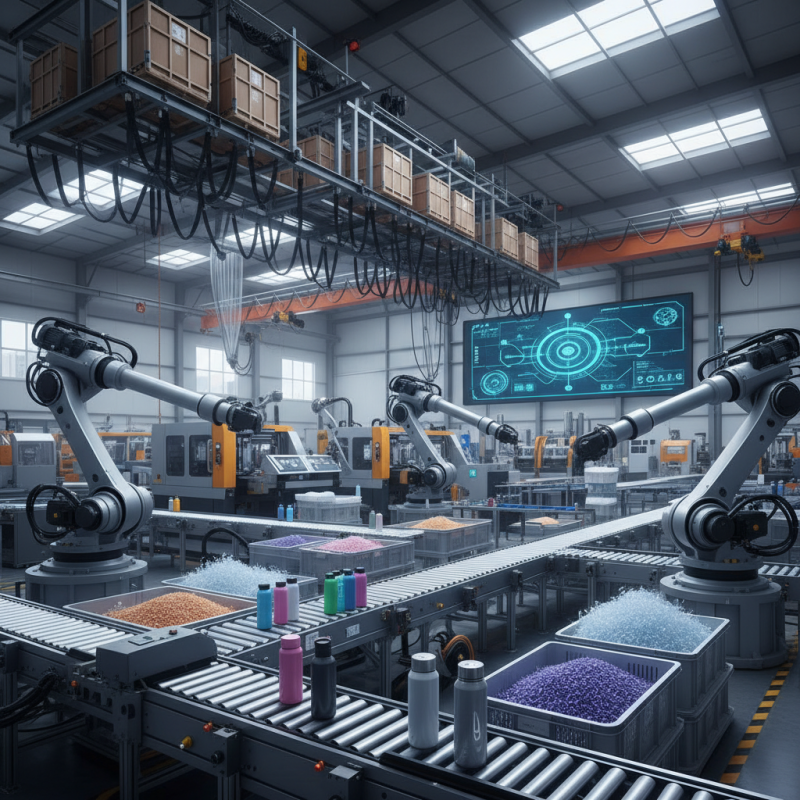
Sourcing raw materials in China can significantly lower plastic manufacturing costs. Local suppliers often provide competitive prices, but it’s essential to assess quality. Establishing strong relationships with suppliers can yield better deals. Regular communication fosters trust, which may lead to discounts or improved payment terms.
Utilizing local markets is another practical strategy. China’s vast industrial base allows easy access to materials. This proximity enables faster turnaround times, reducing logistics costs. Researchers have found that smaller suppliers often offer unique materials at lower prices. Therefore, exploring less-known suppliers is worth considering.
It’s important to stay informed about market trends. Prices can fluctuate, impacting overall costs. Observing these changes allows for timely adjustments in sourcing strategies. However, relying solely on low prices may compromise quality. Ensure a balance between cost and quality to avoid future issues.
Adopting advanced technologies can significantly reduce plastic manufacturing costs in China. The integration of automation in production lines streamlines processes. Robotics and AI can optimize workflows and reduce labor costs. These smart systems monitor efficiency and eliminate waste, impacting the bottom line positively.
Tips: Consider investing in training programs for employees. Proper training ensures that workers are equipped to handle new technologies. This step can minimize operational disruptions and enhance productivity.
Another approach is to utilize data analytics. Analyzing production data helps identify inefficiencies. This insight drives informed decisions to adjust operations and improve output. Continuous monitoring allows for prompt action when issues arise.
Tips: Regularly review analytics reports. This practice keeps the team engaged with performance metrics. It fosters a culture of improvement and accountability among staff. Embracing technology is a journey, and constant reflection on processes is essential for success.
Implementing lean manufacturing principles in China's plastic industry can significantly lower costs. Lean manufacturing focuses on minimizing waste while maximizing productivity. By evaluating every stage of production, companies can eliminate redundancies. This approach aligns perfectly with the urgent need to reduce plastic waste.
One strategy involves using value stream mapping. This technique helps identify inefficiencies in the production line. Manufacturers can visualize the flow of materials and identify bottlenecks. It requires teamwork and a commitment to ongoing improvement. Engaging workers in this process fosters a culture of accountability and innovation.
Another important aspect is continuous training. Staff should understand lean principles and be empowered to suggest improvements. Training sessions can be brief but impactful. Regular feedback loops reinforce the importance of every employee’s input.
These practical steps encourage adaptation but may require time for full implementation. Overcoming resistance to change is a common challenge. The shift to lean practices might seem overwhelming at first, but patience and persistence often yield significant results.
Supply chain optimization plays a crucial role in reducing plastic manufacturing costs in China. A recent report from the China Plastic Industry Association highlights that companies can cut costs by up to 25% through efficient supply chain management. Streamlining logistics, consolidating suppliers, and improving inventory control are essential strategies that businesses should consider.
To achieve more significant savings, companies should closely evaluate their sourcing strategies. Utilizing local suppliers can reduce transportation costs and minimize delays. The Global Plastics Alliance found that 35% of plastic manufacturing costs arise from logistics. By rethinking the supply chain, manufacturers can focus on reducing waste and improving throughput.
**Tip**: Regularly assess supplier performance. Identify reliable partners who can deliver quality materials at competitive prices.
Collaboration within the supply chain is vital. Sharing resources or technology among suppliers can lead to enhanced efficiency. Research indicates that companies that prioritize supply chain collaboration achieve lower costs and improved product quality. However, businesses must remain cautious. Relying too heavily on a single supplier may lead to disruptions. Diversification is key for resilience.
**Tip**: Explore partnerships with emerging companies. They often bring innovative solutions and competitive pricing.
Understanding market trends is also essential. The World Bank reports that shifting regulations and consumer preferences are influencing plastic production dynamics. Manufacturers must adapt promptly to maintain cost-effectiveness. Balancing cost reduction with product sustainability can be challenging but is increasingly necessary.
| Strategy | Implementation Timeframe | Expected Cost Reduction (%) | Impact on Supply Chain Efficiency | Notes |
|---|---|---|---|---|
| Supplier Consolidation | 6-12 Months | 15-20% | Improves negotiation power | Requires initial investment in relationship management |
| Automation of Processes | 12-24 Months | 25-30% | Reduces labor costs | High upfront costs but long-term savings |
| Utilizing Recycled Materials | 3-6 Months | 10-15% | Requires supply chain adjustment | Sustainability appeal |
| Lean Manufacturing Techniques | 6-12 Months | 20-25% | Maximizes resource efficiency | Ongoing staff training required |
| Supply Chain Collaboration | 6-12 Months | 15-18% | Enhances information flow | Requires trust among partners |
China's plastic manufacturing sector has significant potential for cost reduction through government incentives. Various initiatives aim to promote sustainable practices while supporting manufacturers financially. These incentives can range from tax breaks to grants for adopting eco-friendly technologies.
Local governments are increasingly offering subsidies for companies that innovate in recycling and waste management. This support fosters a culture of sustainability and equips manufacturers with the tools to decrease production costs. However, many businesses do not fully exploit these resources. Awareness and understanding of these programs can be lacking, leading to missed opportunities.
Moreover, navigating the landscape of government initiatives can be complex. Manufacturers often face challenges in applying for incentives. Confusion about eligibility and application processes can hinder access to much-needed funding. There is a need for better communication from authorities regarding available support. Addressing these gaps could empower manufacturers to reduce costs effectively while embracing sustainable practices.
: Local suppliers often offer competitive prices, but quality assessment is vital.
Regular communication fosters trust, potentially leading to better deals and discounts.
Proximity reduces logistics costs and enables faster turnaround times, benefiting overall efficiency.
Yes, they can provide unique materials at lower prices, enhancing sourcing options.
Staying informed allows timely adjustments to sourcing strategies, which can be crucial.
Compromising on quality risks future issues and damaged reputation.
Streamlining logistics and improving inventory control can lead to significant cost reductions.
Regular performance assessment helps identify reliable partners that meet quality standards.
Sharing resources enhances efficiency, but over-reliance on one supplier can cause disruptions.
Shifting regulations and consumer preferences complicate effective, cost-efficient production strategies.
The article titled "Strategies to Reduce Plastic Manufacturing Costs in China" outlines several effective approaches for achieving significant cost reductions in the plastic industry. Key strategies include sourcing raw materials at lower costs by identifying alternative suppliers and negotiating better terms. Furthermore, adopting advanced technologies can lead to more efficient production processes, ultimately lowering costs.
Implementing lean manufacturing principles promotes waste reduction and enhances productivity, while optimizing the supply chain can streamline operations and reduce overall expenses. Additionally, leveraging government incentives and initiatives can provide further financial support for manufacturers. Together, these Plastic Manufacturing Cost Reduction Strategies offer a comprehensive framework for enhancing competitiveness in China's plastic production sector.
