Zhida Plastic Machinery Zhida Plastic Machinery

7 Tips for Choosing Reliable Plastic Processing Equipment

Time:2026-11-06 Author:Henry
0%

Choosing plastic processing equipment is not a catalog exercise. It is a production decision that affects part quality, operating costs, and delivery schedules. How To Choose Reliable Plastic Processing Equipment begins with the material and the work it must perform. A machine suited to one resin or product may struggle with another. Small mismatches matter.

Dr. Chris Rauwendaal, an extrusion specialist, has written extensively about polymer processing. A practical paraphrase of his technical guidance is: “Match the equipment to the material and process, not just the desired output.” Treat that as a starting point, not a complete buying rule. A careful review should also examine required output, screw and barrel design, temperature control, energy use, and the availability of spare parts. Ask suppliers for performance data under conditions close to yours. A glossy brochure is not a production trial.

The seven tips that follow help buyers compare machines with greater confidence. Look beyond the purchase price. Check whether the equipment can hold stable temperatures during a full shift, and whether operators can adjust its controls without guesswork. Ask how quickly routine maintenance can be completed. Then consider service access and training. Those details are easy to overlook.

No checklist removes every risk. Your material may behave differently at scale, and a promised output rate may depend on specific conditions. Verify assumptions before committing. A modest test run can reveal more than another sales meeting.
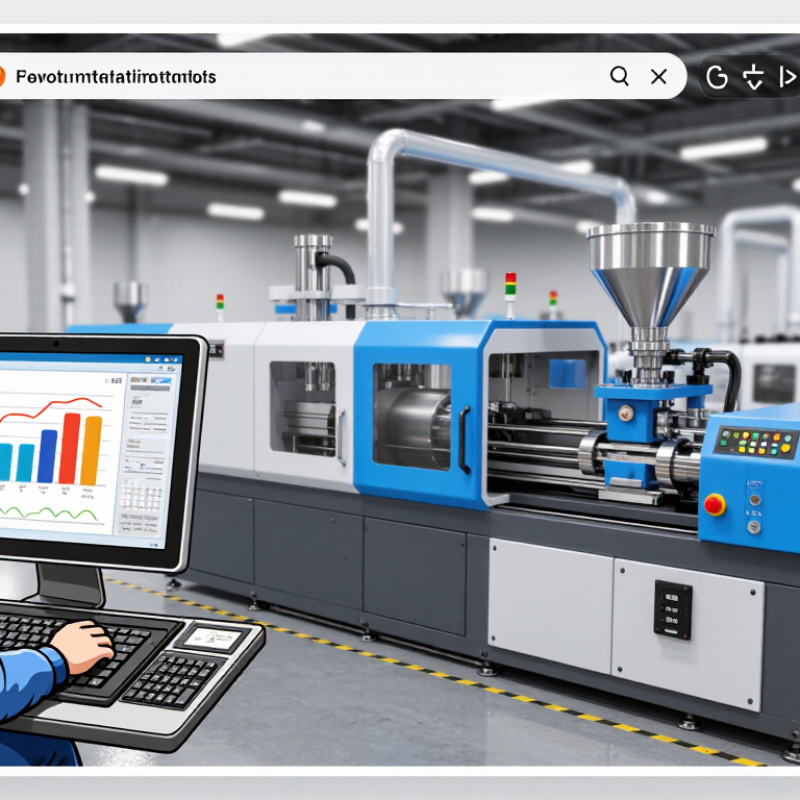
7 Tips for Choosing Reliable Plastic Processing Equipment

Define Your Production Needs and Processing Requirements

Before comparing plastic processing equipment, describe the job it must perform. Record the part’s dimensions, wall thickness, weight, material grade, and required surface finish. Include expected output per hour and the number of operating shifts. A machine sized only for peak demand may sit underused for much of the week. Measure actual demand, not just the most optimistic forecast.

Specify the process conditions, too. Note melt temperature, material moisture sensitivity, cycle-time targets, and any color or material changes between runs. If the resin needs drying, allow space and time for that step. Small details matter. A narrow tolerance or frequent changeover can affect tooling, controls, and operator workload. Measure twice.

Check the factory conditions before settling on a specification. Confirm available floor space, power, cooling water, ventilation, and material-handling access. Ask operators to review the proposed workflow; they may spot awkward access or cleaning tasks that a drawing misses. This part is easy to underestimate. Leave room for maintenance and future product changes, but avoid paying for capacity you cannot use. Production estimates can be wrong, especially when product mix shifts, so document assumptions and revisit them with real operating data.

Define Your Production Needs and Processing Requirements

Example sizing scenario: a 20-second cycle, a two-cavity mold, 85% effective operating time, and 4,000 scheduled production hours per year yield an estimated capacity of 1,224,000 good parts. Compare this estimate with your annual target, and confirm the assumptions against your material, product, and process requirements.

Evaluate Equipment Capacity, Precision, and Material Compatibility

Choosing equipment by its maximum output can be misleading. Match capacity to your normal production run, not just the busiest shift. Check shot size, clamp force, screw diameter, and cycle time against the actual part and mold. Leave a sensible operating margin; running continuously at the machine’s limit can reduce flexibility. Small margins matter.

Precision needs evidence. Ask for trial-run data on part weight, dimensions, and cycle-to-cycle variation using your mold and resin. A polished specification sheet is not enough. Measure parts at several points, including after cooling, because shrinkage can expose problems that a quick sample misses. Test it.

Material compatibility deserves equal attention. Confirm the machine can handle the resin’s melt-temperature range, viscosity, additives, and drying requirements. For abrasive or corrosive materials, review screw and barrel wear protection. The OECD’s Global Plastics Outlook reports that 460 million tonnes of plastics were produced in 2019, while only 9% of plastic waste was ultimately recycled. That scale makes reliable processing and material changes increasingly relevant. If recycled content is planned, run production trials with the intended blend; flow and moisture can vary between batches. I would not assume one successful run proves long-term stability. Ask for documented settings, repeat tests, and clear maintenance intervals before committing.

Inspect Build Quality, Safety Features, and Compliance

Reliable plastic-processing equipment should look sound before it ever runs. Inspect welds, panels, access doors, and fasteners for cracks, gaps, or movement. Open and close each guard; it should latch smoothly. Small details matter. Uneven paint alone proves little, but corrosion near a frame joint deserves a closer look. Ask the supplier to demonstrate routine maintenance access, not just the machine running under ideal conditions.

Test emergency stops and guard interlocks during a supervised inspection. Confirm that moving parts stop as intended when a guard opens. Check warning labels, cable routing, and the condition of electrical enclosures. A button that is hard to reach can become a real problem during a stressful moment. No checklist catches everything, so have a qualified technician review the equipment before acceptance. Do not assume a polished exterior means every safety feature works.

Compliance depends on where the equipment will operate and how it is configured. Request applicable conformity documents, risk assessments, electrical schematics, operating instructions, and records of safety testing. Match the paperwork to the actual machine, including its options and installed accessories. If a document is missing or unclear, ask for a written explanation before purchase. This may slow the decision. That is usually preferable to discovering a gap after installation.

Assess Supplier Expertise, Support, and Spare Parts Availability

Reliable plastic processing equipment depends on more than rated output or a polished demonstration. Assess whether the supplier understands your resin, part geometry, and production rhythm. Ask for examples involving similar materials, cycle times, and changeovers, not broad claims. A useful technical discussion should cover screw design, temperature control, and material drying needs. Ask how they would investigate defects such as sink marks or inconsistent filling. Specific answers reveal experience. Vague answers deserve follow-up.

Support matters after installation, when a small fault can interrupt a shift. Find out how quickly technicians respond, whether remote troubleshooting is available, and what information they need to diagnose a problem. Ask for a clear service process, including expected response times and escalation steps. Check spare parts availability for heaters, sensors, seals, and other wear items. Confirm typical delivery times and whether compatible alternatives are documented. A parts list is useful, but it may not reflect actual stock; ask how availability is verified. Request maintenance schedules and training for operators, too. These details can be easy to overlook during a factory visit. Ask for written answers, then compare them with your production needs.

Compare Total Ownership Costs and Verify Performance Before Purchase

Purchase price is only the opening number. Compare energy use, labor, maintenance, tooling, and expected downtime over the machine’s working life. Ask suppliers for written estimates and check what each estimate excludes. A low-cost unit may need more frequent cleaning or longer changeovers, quietly reducing production time.

Run the equipment with your own material, settings, and target cycle rate before committing. Measure output over a meaningful period, not just during a polished demonstration. Track scrap, temperature stability, cycle consistency, and operator adjustments. Bring a checklist. Record the results.

Ask to inspect service intervals, replacement-part costs, and response times for technical support. A detailed ownership model helps, but it is still an estimate. Electricity prices change, and production schedules rarely stay perfect. I once underestimated setup delays because I counted only machine running time; that was a useful reminder to include real shift conditions. Leave room for uncertainty, and make sure the performance claims are documented in terms your team can verify.

FAQS

What should I inspect before running plastic-processing equipment?

Check welds, panels, doors, and fasteners for cracks, gaps, or movement. Open each guard and confirm it latches smoothly. Small details matter.

How can I check the machine’s safety features?

During a supervised inspection, test emergency stops and guard interlocks. Confirm moving parts stop when a guard opens. Also inspect warning labels and cable routing.

Does a polished exterior prove the equipment is safe?

No. A clean finish cannot confirm that safety features work. Have a qualified technician review the machine before acceptance.

What documents should I request before purchase?

Request applicable conformity documents, risk assessments, electrical schematics, operating instructions, and safety-test records. Match them to the machine’s options and accessories.

How can I assess a supplier’s technical experience?

Ask about similar materials, part shapes, cycle times, and changeovers. Discuss screw design, temperature control, and drying needs. Specific answers help.

What questions should I ask about production defects?

Ask how the supplier would investigate sink marks or inconsistent filling. Vague answers deserve follow-up. I would still want examples.

What support details matter after installation?

Ask about technician response times, remote troubleshooting, and escalation steps. Find out what information technicians need to diagnose a fault.

How should I verify spare parts availability?

Check stock and delivery times for heaters, sensors, and seals. Request documented compatible alternatives. A parts list may not show actual stock.

Conclusion

How To Choose Reliable Plastic Processing Equipment starts with a clear understanding of your production goals, expected output, and the materials you plan to process. Match the machine’s capacity and level of precision to your daily requirements, and confirm that it can handle your materials consistently. Consider whether its controls and operating range will support both current production needs and reasonable future growth.

Before making a decision, inspect the equipment’s construction, safety features, and relevant quality documentation. Evaluate the supplier’s technical knowledge, responsiveness, service options, and access to replacement parts. Compare the full cost of ownership, including installation, energy use, maintenance, and downtime—not just the purchase price. Finally, request a practical performance check under conditions similar to your intended operation. A careful review of these factors can help you select equipment that operates reliably, supports consistent product quality, and delivers lasting value.

Henry

Henry

Henry is a dedicated marketing professional with a profound expertise in the company's offerings. With years of experience in the industry, he possesses an impressive understanding of the market dynamics and consumer behaviors that drive success. Henry is committed to sharing his insights through......