Plastic manufacturing automation benefits have become a focal point for buyers in the industry. According to a report from Market Research Future, the global plastic automation market is projected to reach $45 billion by 2025, growing at a compound annual growth rate of 8.5%. This rapid growth highlights the increasing importance of automating processes in plastic manufacturing. Companies are striving for efficiency and cost-effectiveness, which automation significantly offers.
The integration of automation technologies can lead to a reduction in labor costs by approximately 30%, as indicated by a study from Deloitte. This reduction allows businesses to reallocate resources towards innovation and quality enhancement. However, there are challenges, including the need for skilled workers to manage automated systems. Balancing these challenges with the benefits requires careful planning.
Investing in automation can enhance production speed and reduce defects, but not without initial hurdles. A transition phase is often marked by teething issues, which can affect workflow. Buyers must weigh these factors against long-term gains, ensuring that the shift to automated processes aligns with their business goals. Only through this balanced approach can they fully realize the plastic manufacturing automation benefits.
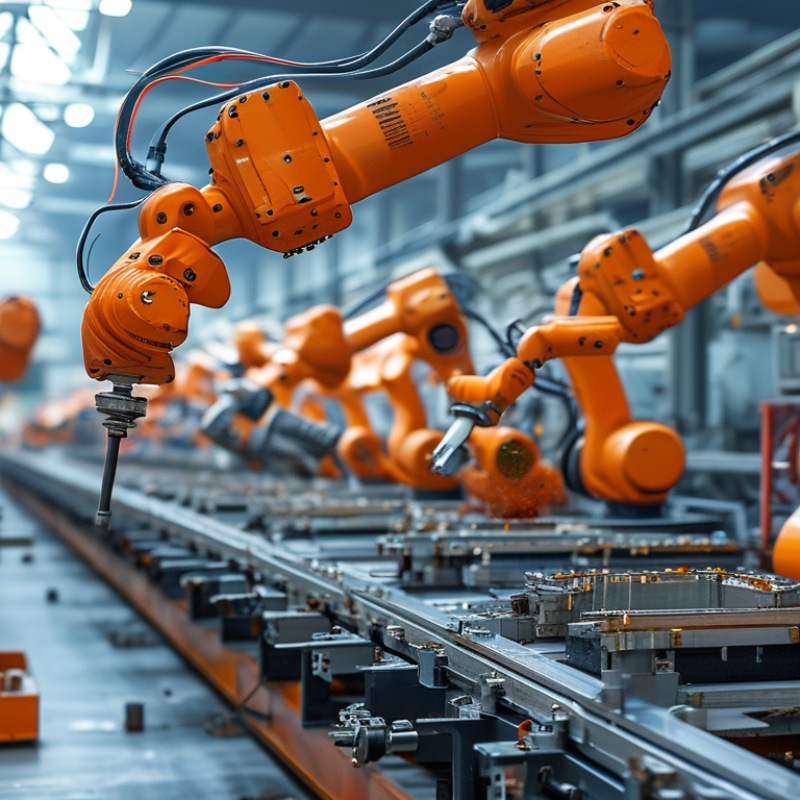
The Role of Automation in Enhancing Production Efficiency in Plastic Manufacturing
In the realm of plastic manufacturing, automation plays a pivotal role. It dramatically enhances production efficiency, reducing manual errors. When machines handle repetitive tasks, the potential for human error declines significantly. This shift allows skilled workers to focus on more complex and creative aspects of production. Efficiency gains can be significant, leading to faster turnaround times.
Moreover, automation introduces precision that is often unattainable through manual processes. For instance, automated systems can maintain consistent quality across thousands of units. This uniformity not only improves product reliability but also builds customer trust over time. Implementing automation can sometimes present challenges, such as the initial investment cost and the need for employee retraining.
These challenges require careful consideration. However, the long-term benefits surpass the initial hurdles. Facilities might encounter unexpected downtime during the transition. Yet, with proper planning and management, these issues can be minimized. The journey to automation is complex but essential for staying competitive in the evolving market.
Top 10 Benefits of Plastic Manufacturing Automation
Cost Reduction Benefits of Implementing Automation in Plastic Production Processes
Automation in plastic manufacturing can significantly reduce costs. By minimizing human intervention, companies can decrease labor expenses. This change also leads to fewer errors, saving money on materials. Automation helps streamline processes, ensuring faster production rates.
Implementing automated systems lowers energy consumption. Machines operate efficiently, which can cut energy bills. Over time, these savings can be substantial. Moreover, automation reduces waste, allowing manufacturers to make better use of raw materials.
Despite the advantages, challenges exist. Initial setup costs for automated systems can be high. Training staff to manage and maintain these systems can also require additional investment. However, many companies find the long-term savings justify these initial hurdles. Transitioning to automation is not without its difficulties, but the financial benefits often outweigh the drawbacks.
Improving Product Quality through Automation in Plastic Manufacturing
Automation in plastic manufacturing significantly enhances product quality. Research from industry leaders shows that automated systems can reduce defects by up to 30%. This improvement comes from precise control over production parameters. For instance, sensors in automated lines monitor temperature and pressure in real-time. Such accuracy minimizes variations, leading to more consistent products.
Moreover, automation lowers human error rates, often contributing to defects. In manual processes, errors can rise due to fatigue or distraction. Automated solutions remove those variables. However, this doesn't mean automation is flawless. Initial setup can be costly, and integration challenges may arise. Businesses must weigh these risks against potential quality gains.
Finally, automated systems allow for faster adjustments in production. Quick changes to molds or materials are possible with the right technology. According to a recent industry report, companies that automate their processes see a 20% increase in production efficiency. This combination of speed and quality makes automation a vital investment in the plastic manufacturing sector.
Streamlining Supply Chain Management with Automated Plastic Manufacturing
The evolution of plastic manufacturing automation is revolutionizing supply chain management. Automated systems can enhance efficiency by over 30%, according to a recent industry report. This increase leads to faster production cycles. A streamlined supply chain reduces bottlenecks. The agility gained from automation allows companies to respond to market changes swiftly.
Adopting automation helps decrease errors in production. A study found that automating key processes can cut defects by 50%. With fewer errors, companies experience less downtime. This reliability results in better resource utilization. Companies can shift focus from manual tasks to value-added activities.
Tips for implementation: Evaluate current processes. Identify areas where automation can have the most impact. Start small, testing automation in limited areas before a full-scale rollout. Make sure to provide training for staff about new systems. Continuous feedback will help in refining these automated approaches.
Incorporating automation may initially seem daunting. Companies must invest time and resources upfront. However, the long-term gains can outweigh the challenges faced during transition. Maintaining flexibility is crucial for adapting systems as needs evolve.
Environmental Advantages of Automation in the Plastic Manufacturing Industry
The plastic manufacturing industry is rapidly embracing automation, leading to significant environmental benefits. Studies show that automated processes can reduce plastic waste by up to 30%. This decrease is achievable through enhanced precision in production. Accurate machines minimize excess materials, which is crucial in a world that grapples with plastic pollution.
Automation also optimizes energy consumption. According to a report by the International Energy Agency, advanced manufacturing techniques can lower energy use by approximately 20% in production facilities. Using smart technology, companies can monitor energy efficiency in real-time. This capacity promotes the adoption of sustainable practices, essential for meeting global carbon reduction targets.
However, the transition to automation is not without challenges. Companies may face initial high costs in upgrading their systems. Training staff to manage new technologies requires time and investment. Yet, overcoming these obstacles can lead to a more sustainable manufacturing framework. As the industry evolves, balancing innovation with responsibility remains a constant reflection point.
FAQS
: Automation reduces labor costs by minimizing human involvement. It also decreases material costs by reducing errors.
Automated machines operate more efficiently, leading to lower energy bills over time.
Yes, automation improves raw material usage, significantly reducing waste in manufacturing processes.
High initial setup costs and the need for staff training present challenges. Investment is often required upfront.
Automation reduces defects by allowing precise control of production parameters, leading to more consistent products.
Automation lowers human error rates, but it does not eliminate errors entirely. Some challenges remain in integration.
Many companies find that long-term savings often justify the initial investment in automation systems.
Automated systems allow for rapid adjustments to molds and materials, improving efficiency in production.
Companies that automate see an increase of about 20% in production efficiency on average.
No, transitioning poses challenges. However, financial benefits often overshadow these initial hurdles.
Conclusion
Plastic manufacturing automation offers numerous benefits that significantly enhance production efficiency and quality. By streamlining processes, automation reduces labor costs and minimizes errors, leading to substantial cost savings. Additionally, automated systems improve product consistency and precision, which are vital in meeting customer expectations and industry standards.
Moreover, plastic manufacturing automation benefits extend to supply chain management by optimizing inventory levels and facilitating faster turnaround times. The environmental advantages are also noteworthy, as automated processes often result in reduced waste and energy consumption, contributing to a more sustainable manufacturing approach. Overall, embracing automation in plastic manufacturing not only drives operational excellence but also positions companies for long-term success in a competitive market.
 Zhida Plastic Machinery
