Zhida Plastic Machinery Zhida Plastic Machinery

Top 10 Environmental Regulations in China's Plastic Industry?

Time:2026-06-22 Author:Isabella
0%

The plastic industry in China faces increasing scrutiny from regulators and the public. This situation demands a comprehensive understanding of environmental regulations governing it. The challenge lies in navigating the complexities unique to this sector. Our "Plastic Industry Environmental Regulations Guide" delves into the top ten regulations influencing operations and sustainability.

China’s rapid industrialization has led to significant environmental issues. As a result, the government has introduced stringent regulations aimed at reducing plastic pollution. However, the implementation of these regulations varies. Compliance can be costly and challenging for many businesses. The guide addresses not only the regulations themselves but also the implications for stakeholders.

As firms strive to align with these standards, they often encounter obstacles. Lack of awareness and insufficient resources can hinder progress. This guide serves as a vital resource for understanding the regulatory landscape. It aims to empower businesses to improve their practices. Success in adaptation creates opportunities for innovation and growth in a more sustainable future.
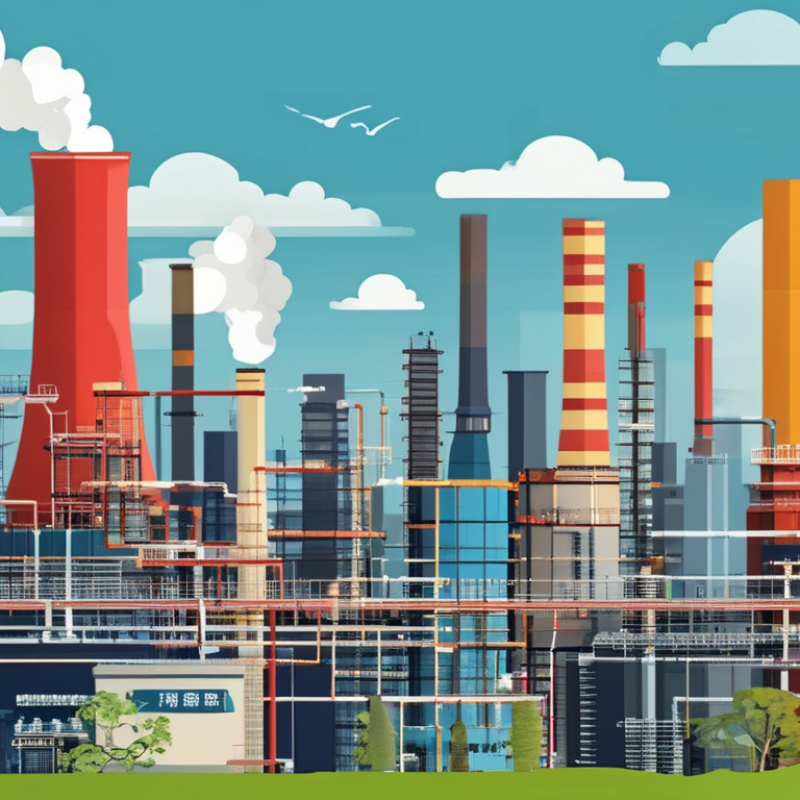
Top 10 Environmental Regulations in China's Plastic Industry?

Top 10 Environmental Regulations in China's Plastic Industry

China's plastic industry faces increasing scrutiny due to environmental concerns. In recent years, a series of regulations have aimed to reduce plastic waste and promote sustainability. For instance, in 2020, the government announced plans to ban single-use plastics in major cities by 2025. This is part of a broader initiative targeting the reduction of plastic consumption. Reports indicate that about 30% of China's plastic waste ends up in landfills, which emphasizes the need for effective regulations.

One key regulation is the requirement for all manufacturers to implement recycling programs. According to data from the Ministry of Ecology and Environment, only 9% of plastic waste is currently recycled. This poses a challenge for sustainability efforts within the industry. Companies face pressure to innovate and develop eco-friendly alternatives. Investment in biodegradable materials is on the rise as manufacturers adjust to new compliance standards.

Tips: Businesses should actively monitor regulatory updates to remain compliant. Engage with industry experts for insights on best practices in sustainable production. It’s crucial to foster a culture of accountability throughout the supply chain. Continued dialogue about these regulations can lead to more effective solutions and ultimately, a healthier environment.

Overview of China's Plastic Industry and Its Environmental Impact

China's plastic industry is one of the largest in the world, significantly impacting the environment. In 2022, the country produced over 60 million tons of plastic. This rapid growth has led to increased pollution. It is estimated that around 8 million tons of plastic waste enter the oceans each year from China. Such numbers underscore the urgent need for effective regulations.

The Chinese government has recognized the environmental risks. In recent years, policies aimed at controlling plastic production and waste have emerged. For instance, the ban on single-use plastic bags in major cities was enacted in 2020. Reports show that this regulation has reduced plastic bag usage by 40% in these areas. However, challenges remain. Many industries still rely heavily on plastic. Compliance with regulations is inconsistent across regions, leading to ongoing pollution issues.

Despite initiatives, the results highlight a need for further clarity in regulations. Research indicates that only 30% of plastic waste is recycled effectively. A large portion still ends up in landfills or oceans. The journey toward sustainable practices is ongoing. Greater awareness and stricter enforcement are essential to drive real change in China’s plastic industry.

Top 10 Environmental Regulations in China's Plastic Industry

Regulation 1: National Plastic Waste Management Policy and Its Effectiveness

The National Plastic Waste Management Policy in China was implemented to address the rising plastic waste crisis. It aims to improve waste segregation and recycling rates. In 2021, China generated over 60 million tons of plastic waste, according to the Ministry of Ecology and Environment. Yet, only about 9% of this waste was recycled effectively.

The policy emphasizes reducing plastic production, promoting biodegradable plastics, and enhancing waste management systems. Despite its ambitious goals, compliance remains a challenge. Many local governments struggle with implementation. In some regions, the enforcement of regulations is inconsistent, leading to a significant gap between policy and practice.

Data from the China Plastics Industry Association indicates that up to 80% of plastic manufacturers lack proper recycling programs. This raises concerns about the policy's effectiveness in creating a sustainable plastic industry. As the country continues to tackle its plastic pollution issue, the need for ongoing evaluation and improvement of these regulations is critical.

Regulation 2: Implementation of the "Ban on Plastic" Initiative

The "Ban on Plastic" initiative is a significant step in China’s quest for sustainable development. This regulation seeks to limit plastic usage across various sectors, including retail and hospitality. By reducing plastic bags and straws, the initiative aims to curb pollution. Local governments are working to enforce strict policies on plastic production and consumption.

Although progress is visible, challenges remain. Some businesses struggle to adapt swiftly to these changes. Alternatives to plastic are not always available or affordable. Many consumers are still accustomed to single-use plastics. Awareness campaigns are needed to encourage community involvement and education.

Despite obstacles, the initiative exemplifies China’s commitment to environmental sustainability. It reflects the nation’s growing understanding of the need for responsible consumption. Continued efforts in policy enforcement and public engagement will be crucial. Addressing these issues can enhance the effectiveness of the "Ban on Plastic" initiative.

Top 10 Environmental Regulations in China's Plastic Industry - Regulation 2: Implementation of the "Ban on Plastic" Initiative

Regulation Aspect Description Enforcement Year Affected Products Environmental Impact
Goal of the Initiative Reduce plastic waste and promote sustainable alternatives. 2020 Single-use plastic bags, straws, and cutlery. Decrease in plastic pollution in urban areas.
Scope of Implementation Applicable in major cities and gradually to rural areas. 2021 All non-biodegradable plastic products. Reduction in landfill contributions.
Public Awareness Campaigns Educational initiatives to inform citizens about the ban. 2019 N/A Increased public support for eco-friendly practices.
Penalties for Non-Compliance Fines and sanctions for businesses violating the ban. 2020 N/A Discouragement of illegal plastic use.
Future Goals Reach a nationwide ban on all plastic by 2025. 2025 All plastic products. Significant reduction in plastic waste globally.

Regulation 3: China's Standards for Biodegradable Plastics and Certification

China has been proactive in establishing standards for biodegradable plastics. The government emphasizes the importance of reducing plastic waste. These standards aim to define what qualifies as biodegradable. They also set criteria for production processes and materials used.


Certification for biodegradable plastics is critical. It ensures that products meet specific environmental benchmarks. Many manufacturers face challenges in achieving these standards. Some materials claimed as biodegradable may not break down effectively in natural environments. This inconsistency creates confusion among consumers.


The push for stricter regulations is ongoing. There are ongoing discussions about improving certification processes. Stakeholders need to collaborate on refining these criteria. Public awareness about biodegradable plastics is also essential. Education can help consumers make better choices. Understanding the limitations of certain products can lead to more responsible consumption.

Regulation 4: Enforcement of the Extended Producer Responsibility (EPR) System

The Extended Producer Responsibility (EPR) system is transforming China's plastic industry. This regulation holds producers accountable for the entire lifecycle of their products. By mandating recycling and waste management practices, the EPR aims to reduce plastic waste significantly.

Producers must develop sustainable strategies to minimize environmental impact. This includes designing products for reuse and increasing recyclability. The EPR system requires companies to invest in waste management infrastructures. Compliance with these regulations is essential for business growth in today's eco-conscious market.

Tips for businesses: Develop training programs on sustainability practices. Collaborate with recycling initiatives to demonstrate commitment. Monitor and report on environmental performance regularly. This not only enhances brand reputation but also meets regulatory requirements.

Challenges remain, though. Some companies struggle with adaptation. Others may see this as a burden rather than an opportunity. It’s crucial to shift mindsets and view sustainability as a means for innovation and long-term profit. The journey towards effective EPR implementation demands constant reflection and adjustment.

FAQS

: What are China's main goals for plastic regulation?

: The main goals are to reduce plastic waste and promote sustainability across the plastic industry.

By when does China plan to ban single-use plastics?

The ban on single-use plastics is set for major cities by 2025.

What percentage of plastic waste is currently recycled in China?

Only 9% of plastic waste is being recycled according to recent statistics.

Why is recycling important for the plastic industry?

Recycling helps reduce landfill waste and supports sustainability efforts within the industry.

How can businesses stay compliant with new regulations?

Businesses should monitor regulatory updates and engage with industry experts for best practices.

What issues exist with biodegradable plastics in China?

Many products labeled as biodegradable may not decompose effectively in natural environments.

Why is certification for biodegradable plastics important?

Certification ensures that products meet specific environmental and sustainability standards.

What is a challenge manufacturers face with biodegradable plastic standards?

Achieving compliance with established standards can be difficult and requires continuous effort.

How can consumers be better informed about biodegradable plastics?

Public education about product limitations can lead to more responsible consumption choices.

What role does public awareness play in plastic consumption?

Increased awareness can help consumers make informed choices and support sustainability initiatives.

Conclusion

The article titled "Top 10 Environmental Regulations in China's Plastic Industry" provides a comprehensive overview of the critical environmental regulations shaping the country's plastic sector. Initially, it highlights the significant environmental impact of China's rapidly growing plastic industry, necessitating strict regulatory measures. Key regulations discussed include the National Plastic Waste Management Policy, which aims to streamline waste handling, and the "Ban on Plastic" initiative designed to reduce single-use plastics. Additionally, the article explores China's standards for biodegradable plastics and the implementation of an Extended Producer Responsibility (EPR) system, which holds producers accountable for their products' end-of-life impact.

This article serves as a valuable Plastic Industry Environmental Regulations Guide, detailing the progressive steps being taken to mitigate environmental harm while promoting sustainable practices within the industry. By understanding these regulations, stakeholders can better navigate the evolving landscape of environmental compliance and contribute to a greener future.

Isabella

Isabella

Isabella is a dedicated marketing professional with a sharp focus on driving brand growth and engagement through strategic content creation. With an extensive background in digital marketing, she combines her passion for storytelling with her keen understanding of industry trends to deliver......