 Zhida Plastic Machinery
Zhida Plastic Machinery
Zhida Plastic Machinery
Energy consumption in plastic production is a critical issue facing the industry. According to a report by the International Energy Agency, approximately 4% of global energy use is attributable to plastic production. This figure emphasizes the urgent need for sustainable practices. Understanding how to reduce energy consumption in plastic production is not merely an environmental concern; it is an economic necessity.
The transition to more energy-efficient processes can lead to significant cost savings. For instance, research has shown that optimizing production methods can decrease energy use by 30%. However, many facilities struggle to implement these changes. Challenges include outdated equipment, lack of training, and insufficient investment in technology. These hurdles prevent the industry from achieving its potential.
Moreover, the inefficient use of energy can result in higher carbon emissions. According to various studies, plastic production is responsible for approximately 3.8 gigatons of greenhouse gases annually. This statistic highlights the need for a comprehensive strategy to tackle energy inefficiencies. Therefore, exploring the top ten ways to reduce energy consumption in plastic production is paramount. Addressing these issues can lead to a more sustainable future for the industry and the planet.
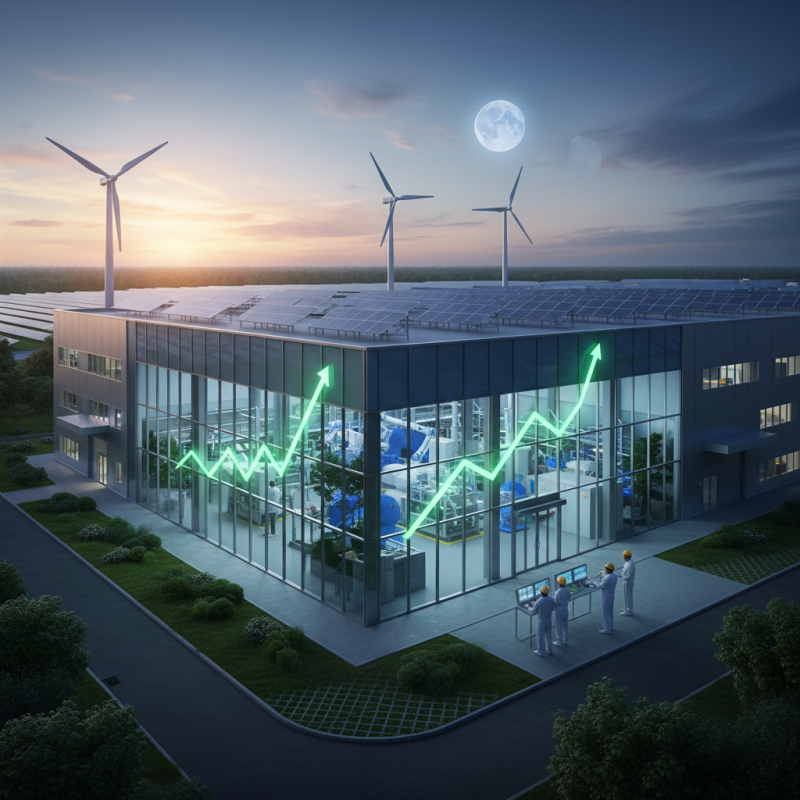
In the quest for energy efficiency, the choice of materials in plastic production plays a crucial role. Several innovative materials are emerging in China, known for their lower energy consumption during production. Bioplastics, derived from renewable sources, stand out in this category. They often require less energy compared to traditional plastics. Their growth in popularity signals a shift towards more environmentally friendly production methods.
Another promising material is recycled PET. By using recycled materials, manufacturers reduce energy use significantly. The energy saved in the recycling process can also minimize the carbon footprint. Additionally, engineers are exploring bio-based polyesters, known for their sustainability. These materials offer energy-efficient alternatives while maintaining performance.
Despite the benefits, challenges remain. The availability of these materials may not be consistent. Some producers still rely heavily on traditional plastics. Education and investment in infrastructure are needed. Increased awareness can drive the shift to these efficient materials. Ultimately, balancing innovation with practical application is key to sustainable plastic production in China.
| Method | Description | Energy Reduction (%) | Implementation Timeframe |
|---|---|---|---|
| Optimizing Production Processes | Utilizing advanced manufacturing techniques to improve efficiency. | 15% | 6-12 months |
| Using Renewable Energy | Switching to solar or wind energy sources. | 30% | 12-24 months |
| Recycling Plastic Waste | Implementing a closed-loop system for plastic materials. | 25% | 3-6 months |
| Enhanced Equipment Maintenance | Regular maintenance of machinery to prevent energy loss. | 10% | Ongoing |
| Investing in Energy-Efficient Machinery | Replacing old machines with energy-efficient models. | 20% | 1-2 years |
| Training Employees | Educating staff on energy-saving practices. | 5% | Ongoing |
| Utilizing Low-Energy Production Techniques | Implementing methods that consume less energy during production. | 18% | 6-12 months |
| Improved Material Handling | Streamlining logistics to reduce energy spent on material transport. | 12% | 3-6 months |
| Implementing Automation | Using automated systems to optimize production efficiency. | 22% | 1-2 years |
: Bioplastics and recycled PET are two notable materials. They consume less energy during production.
Bioplastics come from renewable sources. They signal a shift toward eco-friendly production methods.
Recycled PET reduces energy use and lowers carbon footprints. It helps recycle waste into new products.
Availability can be inconsistent. Some producers still prefer traditional plastics, which complicates the transition.
Factories are adopting solar and wind power. This shift lowers emissions and reduces fossil fuel reliance.
Energy-efficient extruders are being developed. These machines significantly cut energy consumption in production.
New technologies often require substantial investment. Smaller companies may struggle to afford these upgrades.
Awareness can drive the shift to efficient materials. Education helps stakeholders understand sustainable practices.
Yes, recycling methods are becoming more energy-efficient. They minimize waste and reduce energy footprints.
A balance between costs and environmental impacts is crucial. Continuous innovation and commitment from stakeholders are essential.
In recent years, China has been focusing on improving energy efficiency in the plastic production sector. This article explores "How To Reduce Energy Consumption In Plastic Production" through various approaches. First, it highlights the top 10 energy-efficient materials that can significantly lessen energy use in manufacturing processes. Moreover, innovative technologies play a crucial role in optimizing energy consumption, making production more sustainable.
Additionally, best practices for energy reduction in plastic factories are discussed, alongside government policies that incentivize energy efficiency within the industry. Looking ahead, the article outlines future trends in sustainable energy use, emphasizing the importance of continuous improvement and adaptation in practices. By implementing these strategies, the Chinese plastic industry can pave the way for a more energy-efficient and sustainable future.
