Zhida Plastic Machinery
Zhida Plastic Machinery
Zhida Plastic Machinery
Deploy state-of-the-art temperature control and heavy-duty plastic production line integration to maximize processing throughput.
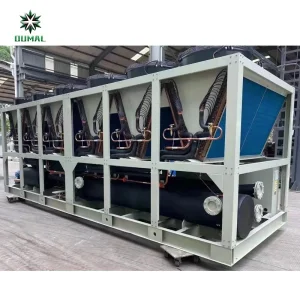
Temperature stability is the single most critical factor in determining cycle efficiency and dimensional accuracy in plastic extrusion, injection molding, and large-scale industrial manufacturing.
At Ningbo Zhida Plastic Machinery Co., Ltd., we combine strategic machinery sourcing with strict engineering refurbishment standards to supply high-end process cooling equipment. Our engineered solutions stabilize production cycles, minimize scrap rates, and maintain continuous peak operations even under extreme hot-climate ambient conditions.
Whether configuring a brand new custom-engineered closed-loop process chiller or sourcing verified second-hand heavy machinery from top-tier brands like Jwell, BeiEr, and Jurry, we maintain structural rigor at every stage.
Analyzing the localized supply chains, advanced thermodynamic designs, and economic scaling factors driving modern process cooling solutions.
Industrial manufacturing hubs like Ningbo and adjacent Yangtze River Delta regions localize key component producers. By consolidating precision compressor machining, advanced copper piping, state-of-the-art aluminum fin punchers, and intelligent PLC microcontrollers into close-proximity clusters, production overhead is dramatically minimized.
China's chiller production plants utilize optimized fluid mechanics and thermodynamics. Through oversized V-shaped condenser coils, high-volume axial fans, and highly efficient stainless steel brazed plate or shell-and-tube evaporators, Chinese chillers provide higher heat transfer coefficients and greater COP values than traditional designs.
Ningbo Zhida leverages a unique dual-track supply model: providing customizable, cost-competitive new machines alongside thoroughly inspected second-hand units. This strategic combination delivers equipment from top Chinese manufacturers (like Jwell, BeiEr, and JinHu) at savings of 30% to 60%, with zero compromise on operational uptime.
The industrial refrigeration sector is undergoing a massive transformation. Driven by stringent global environmental protocols, such as the Kigali Amendment to the Montreal Protocol, and soaring industrial electricity prices, the focus of process cooling has shifted from raw cooling capacity to smart, sustainable thermal efficiency. The following key trends define modern air-cooled chiller manufacturing:
SEO Insight & Information Gain: Traditional water-cooled systems require costly, resource-intensive auxiliary equipment such as cooling towers, chemical treatment pumps, and constant water makeup lines. High-performance air-cooled chillers eliminate this infrastructure, providing a completely self-contained cooling plant that operates seamlessly in water-scarce or sub-zero climates.
From plastic manufacturing lines to complex medical and chemical applications, precise process cooling determines end-product quality.
In plastic extrusion and injection processes, rapid and controlled heat removal is vital. Liquid plastic is injected into molds at high temperatures (often exceeding 200°C) and must be solidified rapidly before ejection. An air-cooled chiller pumps constant-temperature glycol-water mixtures through internal mold cooling channels, preventing thermal stress, shrinkage, and warpage. This optimizes the cycle time, directly boosting hourly output by up to 20%.
Exothermic chemical reactions require instant thermal stabilization to prevent runaway processes. Jacketed reactors rely on heavy-duty chillers to circulate cooling media, keeping reaction temperatures within tight tolerances. For pharmaceutical manufacturing, high-precision control ensures biochemical compounds synthesize correctly without losing potency.
Fiber lasers, CO2 lasers, and CNC machining spindles generate extreme heat concentration over small surface areas. Without stable cooling, thermal expansion shifts beam alignments and risks permanent diode failure. Dual-circuit chillers supply separate cooling streams: one for the laser optics (at higher ambient levels to prevent condensation) and one for the power supply.
From wort cooling in microbreweries to milk pasteurization and cold storage conditioning, industrial air-cooled food-grade chillers maintain strict sanitary operations. The use of food-grade propylene glycol loop systems prevents cross-contamination risks while achieving sub-zero process fluids.
Before importing an air-cooled chiller, engineering departments must calculate the exact thermal demand. Relying on guesswork often leads to under-sizing (resulting in system trips) or over-sizing (resulting in unnecessary capital expenditure and energy waste).
To determine the cooling capacity needed for your manufacturing process, apply the thermodynamic heat flow equation:
Example Scenario: A plastic extrusion line requires a flow rate of 2.5 liters per second (2.5 kg/s) of cooling water. The hot return water enters the chiller at 20°C, and the process requires the chiller to supply water at 15°C (ΔT = 5°C).
Q = 2.5 kg/s * 4.186 kJ/kg·°C * 5°C = 52.325 kW (approx. 15 Tons of Refrigeration)
We recommend adding a 20% safety safety margin to account for high summer ambient temperatures, heat loss in piping, and future production expansion plans.
Standard export configurations default to 380V/50Hz/3Ph. For projects in North America, parts of South America, or specific regions in Asia, custom compressor windings for 220V/460V/480V at 60Hz must be specified during engineering design phases.
Standard chillers are rated at a nominal 35°C ambient temperature. If your facility is located in regions like the Middle East or equatorial Africa where summer ambient temperatures exceed 45°C, select oversized condenser areas and tropicalized compressors.
Ensure your chosen supplier provides international compliance certifications. All high-quality exports require CE marks (for EU distribution), UL listings (for North America), and Pressure Equipment Directive (PED) compliance for high-pressure receiver tanks.
Addressing critical operational and technical concerns raised by procurement officers and plant managers.
Scroll compressors utilize two interleaving spiral vanes to compress refrigerant. They are highly efficient, have few moving parts, and are standard in small to medium cooling capacities (usually 3 to 40 tons). Screw compressors employ two counter-rotating helical screws and are ideal for high-capacity industrial cooling (over 40 tons). Screw compressors typically feature slide valves that allow step-less capacity control from 25% to 100%, matching energy draw with partial heat loads.
Our dedicated engineering team brings 15 years of practical maintenance and testing experience. For second-hand chillers sourced from premium brands like Jwell, BeiEr, and FangLi, we conduct a rigorous restoration process. We disassemble, inspect, and test motors, gearboxes, inverters, and electrical components. Compressors undergo pressure testing, and condenser coils are chemically cleaned and pressure-flushed. Every machine runs under a simulated load for a minimum of 24 hours before packaging and shipping.
Air-cooled chillers feature built-in condensers that reject heat directly to the surrounding atmosphere using motorized fans. This eliminates the need for external cooling towers, water makeup networks, water treatment systems, and pump stations. They require minimal maintenance, install quickly, and are ideal for regions with scarce water resources, strict environmental runoff regulations, or sub-zero winter temperatures where cooling towers would freeze.
The most crucial step is keeping the condenser coil fins clean. Dust, debris, and pollen block air flow, which increases discharge pressure and decreases cooling efficiency (COP). We recommend monthly cleaning with low-pressure compressed air or water washes. Additionally, monitor the moisture indicator in the sight glass, verify the electrical contactors show no pitting, and test the anti-freeze protection sensors before cold seasons.
Yes, they can operate with ethylene or propylene glycol solutions. Glycol is necessary if the setpoint temperature is below 5°C (41°F) to prevent the water inside the evaporator from freezing and rupturing the heat exchanger. The glycol concentration typically ranges from 10% (for protection down to -3°C) to 30% (for protection down to -15°C). Note that glycol has a lower heat capacity than pure water, so chiller flow rates must be adjusted slightly.
Custom new machines require 25 to 40 days for engineering design, assembly, and testing. Refurbished second-hand machines can be readied for export within 7 to 15 days from our Ningbo facility. Thanks to our proximity to the Ningbo Port—one of the largest deep-water ports globally—we arrange shipping containers quickly. We provide full export documentation (Bills of Lading, Certificates of Origin, Packing Lists, Commercial Invoices) to ensure smooth customs clearance in destination ports.
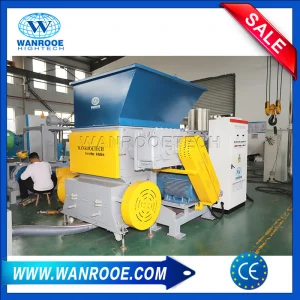
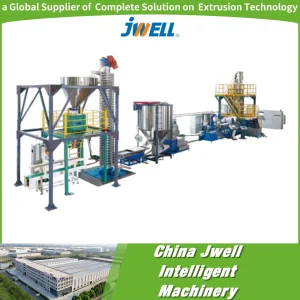
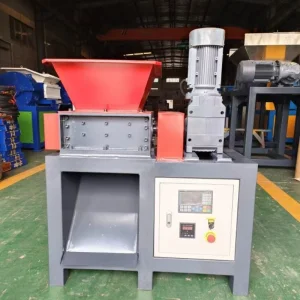
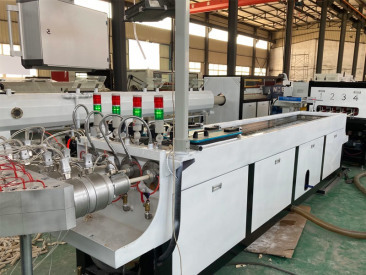
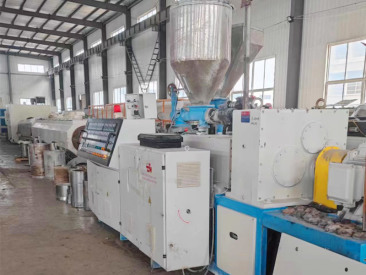
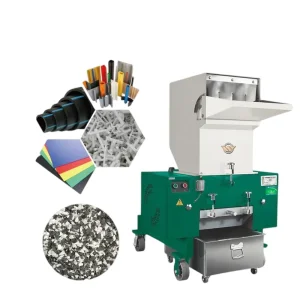
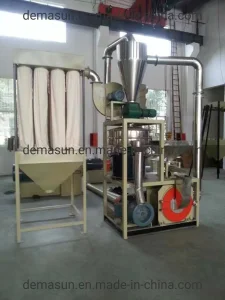
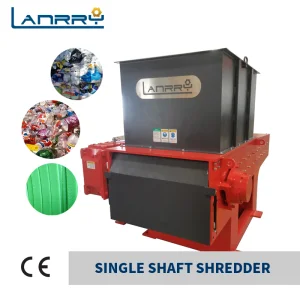
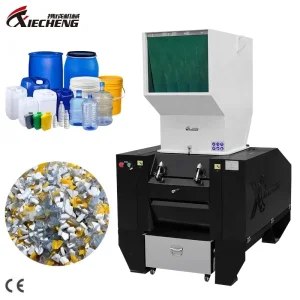
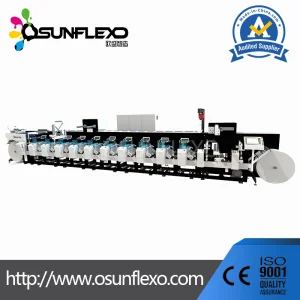
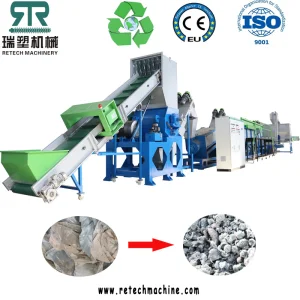
Complete your production setup with heavy-duty material preparation, granulation, and high-output extrusion machinery.
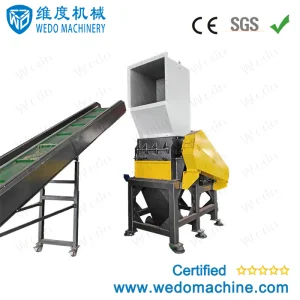
A Premier Provider of Refurbished and Customized New Extrusion and Process Machinery in Ningbo, China.
Established in 2018 with headquarters in the industrial port city of Ningbo, China, Ningbo Zhida Plastic Machinery Co., Ltd. has grown to become one of the country's most reliable and comprehensive suppliers of used and new plastic machinery. Backed by an unwavering commitment to "integrity-first, quality-focused" operations, we have helped over 1,000 plastic product manufacturers optimize their capital expenditure and scale their production lines.
We serve a diverse international clientele across key growth markets, including India, Morocco, Vietnam, Egypt, Pakistan, Bangladesh, Zambia, and Ethiopia. Through our dual-track model, we supply high-performance, cost-effective second-hand equipment alongside customizable new machinery to meet every budget and output requirement.
Our dedicated sourcing teams travel to large, top-tier pipe, sheet, and profile extrusion facilities across China weekly. 90% of our pre-owned inventory consists of machinery manufactured by leading brands, including Jwell, BeiEr, FangLi, Jurry, JinHu, and KraussMaffei.
Our in-house engineering team boasts 15 years of technical hands-on experience in servicing plastic machinery. Every component—including Siemens and ABB motors, heavy-duty gearboxes, Delta and ABB inverters, and high-pressure hydraulic pumps—undergoes deep electrical and mechanical restoration. We run comprehensive factory trials under simulated load conditions before packing and shipment to guarantee instant startup upon arrival at your factory.