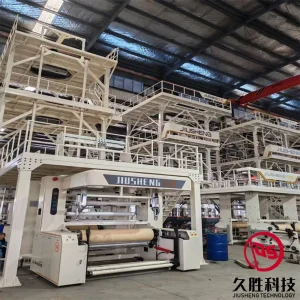
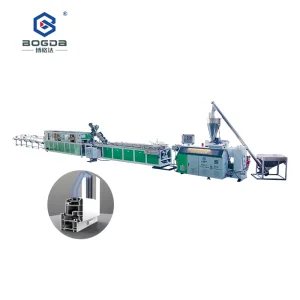
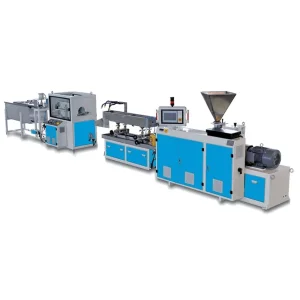
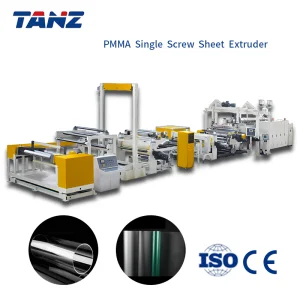
Zhida Plastic Machinery
Zhida Plastic Machinery
Zhida Plastic Machinery
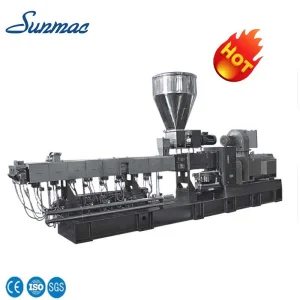
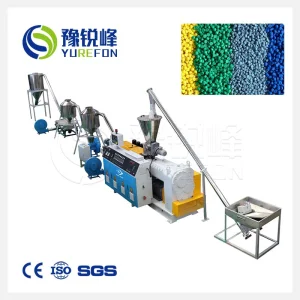
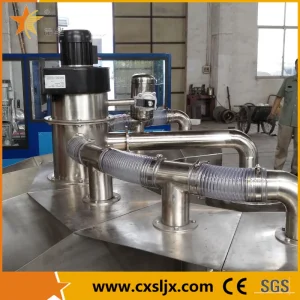
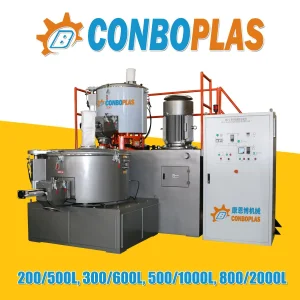
Established in 2018 in Ningbo, China, Ningbo Zhida Plastic Machinery Co., Ltd. stands as a premier hub for high-performance plastic extrusion equipment, drying systems, and auxiliary recycling solutions. Strategically situated near major global air and sea shipping hubs, we supply international manufacturers with optimized configurations designed to balance capital efficiency and high-fidelity output.
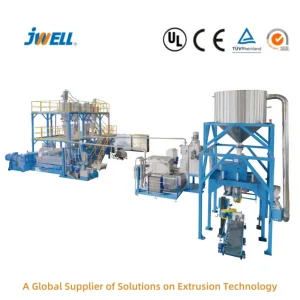
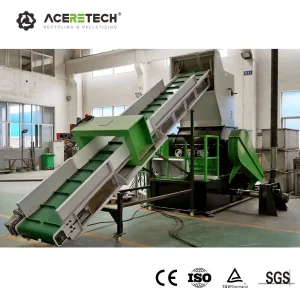
By leveraging an agile dual-track supply model—pairing certified, rigorously reconditioned second-hand machinery from China's top tier brands (such as Jwell, BeiEr, FangLi, Jurry, and JinHu) with tailormade new custom extrusion lines—Zhida delivers reliable solutions across global markets. Over 1,000 plastic processors in emerging industrial nodes, including India, Morocco, Vietnam, Egypt, Pakistan, Bangladesh, Zambia, and Ethiopia, trust our machines to optimize production, lower maintenance overhead, and enhance manufacturing throughput.
A True Industry Whitepaper Perspective: Modern polymers such as PET, PC, PA, and complex composites require advanced moisture control. Honeycomb dehumidifiers represent the technological vanguard for modern desiccant drying. Ningbo Zhida addresses this critical industrial demand by supplying integrated dehumidifying systems that ensure dry materials undergo shear extrusion without hydrolytic degradation.
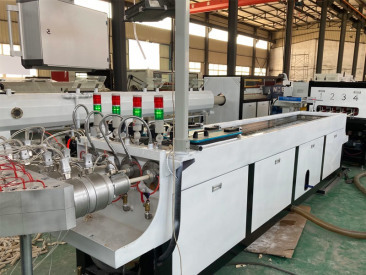
In the processing of technical polymers, moisture is a structural threat. Standard hot air dryers fail to purge hygroscopic water from within the molecular chains of engineering materials. This highlights the vital importance of honeycomb rotor technology.
Utilizes ceramic fiber substrates bonded with synthetic molecular sieves. The honeycomb structure yields massive contact surfaces, ensuring air molecules lose water to the rotor channels while generating minimal pressure drops.
Separates the processing area from the regeneration zone. As dry air extracts moisture at low temperatures, a hot regeneration air stream simultaneously purges the rotor, guaranteeing uninterrupted, non-fluctuating dew points.
Modern honeycomb dehumidifiers integrate air-to-air heat exchangers. By capturing heat from the exhaust regeneration air to pre-heat inbound air, systems reduce overall thermal energy loads by 25% to 40%.
The Evolution Trend: The industry is shifting from traditional twin-tower molecular sieve units to high-tech honeycomb rotor installations. Industrial operations demand intelligent integration: smart PLC controls, automatic airflow throttling based on real-time dew point monitoring, and integration into overall plant MES platforms to minimize carbon footprints.
Procurement managers in Latin America, Southeast Asia, Africa, and Eastern Europe struggle with the premium pricing of high-end Western drying auxiliaries. Ningbo Zhida bridges this gap with tailored engineering options.
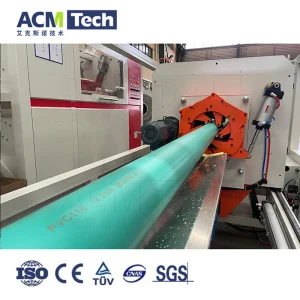
For operations utilizing PET film lines, PVC pipe plants, or masterbatch compounding lines, downtime is extremely costly. Sourcing auxiliaries without localized support can delay installation schedules. Major challenges include:
Our program addresses these challenges by offering two customized purchasing options:
Operating out of Ningbo—a major global hub for plastics machinery manufacturing—Zhida leverages a robust local industrial cluster. This proximity ensures access to critical components, including high-torque gearboxes, precision screw barrels, and advanced industrial control elements.
Our rapid sourcing team tracks and evaluates surplus assets from large pipe, profile, sheet, and packaging film plants across China every week. This network ensures we can source high-demand equipment configurations to match client needs within one week.
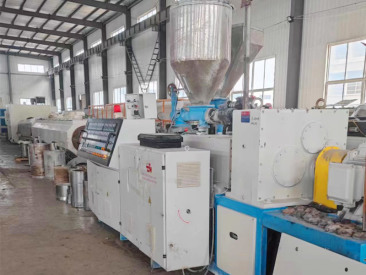
Different polymer processes demand varying air volumes, dew point levels, and material-handling configurations. Below is a breakdown of key applications:
PET is highly hygroscopic. Moisture levels must be reduced below 50 ppm before processing to prevent IV drop and embrittlement. Our high-output honeycomb systems provide drying temperatures up to 160°C and dew points of -50°C to secure optical-grade clarity.
Polyamides degrade rapidly if extruded with moisture. In high-torque twin-screw lines, integrating honeycomb dehumidifiers ensures compounding without bubbles or mechanical integrity failure, improving throughput and product stability.
Precision PVC, WPC, and engineering profiles require precise temperature controls and dry feed stocks. Combining dry feedstock with stable auxiliary air-cooling systems prevents warpage and dimensional deviations during high-speed calibration.
Honeycomb dehumidifiers use a rotating molecular sieve matrix that operates in a continuous cycle, ensuring a highly stable dew point (down to -50°C). Dual-tower desiccant units alternate between absorption and regeneration cycles, which can cause dew point spikes and airflow fluctuations during transitions. This stability is critical for sensitive polymers like PET, PC, and PMMA.
Our engineering team conducts rigorous testing on all machinery before shipment. For second-hand systems, we inspect structural frames and critical components, and run hot trials to verify temperature stability, vacuum seals, and dew point levels. Only machinery that meets our high operational standards is approved for customer delivery.
Hygroscopic polymers like PET, Polycarbonate (PC), Polyamides (PA/Nylon), PBT, and PMMA require closed-loop honeycomb drying. These materials absorb moisture deep within their molecular structures. Under extrusion heat, this water triggers hydrolysis, breaking the polymer chains and reducing the tensile strength, optical clarity, and structural integrity of the final product.
Energy efficiency can be improved by integrating heat recovery units, using variable frequency drives (VFD) on regeneration blowers, and utilizing smart PLC control. Smart controls automatically reduce heating capacity when the raw material's moisture level is low, avoiding energy waste.
A high-quality ceramic molecular sieve rotor can last 5 to 8 years under continuous operation. To maximize lifespan, operators must prevent contamination from plasticizers or volatile additives by using standard return-air filters and cooling traps.
A dew point sensor provides real-time monitoring of dry air quality entering the hopper. If the dew point rises above the target (e.g., -40°C or -50°C), it indicates a cooling failure or rotor contamination, enabling the operator to pause production and prevent scrap material.
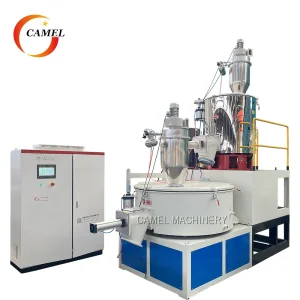
Yes. We design and source space-saving configurations, including all-in-one compact units that integrate dehumidification, multi-hopper drying, and pneumatic vacuum conveying on a single space-optimized footprint.
We offer standard industrial terms, including flexible LC and TT options. Located near the Ningbo port, we manage container loading, seaworthy packaging, and customs clearance to ensure secure shipping to global destinations.