Zhida Plastic Machinery



Global Compounding & The Masterbatch Manufacturing Ecosystem
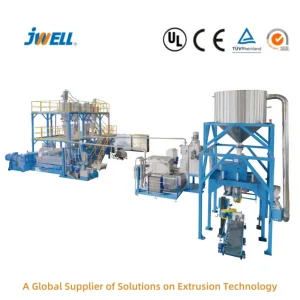
In modern industrial polymer processing, the masterbatch manufacturing sector plays a crucial role in transforming raw polymers into high-value functional materials. Whether producing high-concentration color concentrates, filler compounds (such as CaCO3 and Talc), or complex additive masterbatches (including flame retardants, anti-block, and UV stabilizers), the core challenge remains consistent: achieving uniform dispersive and distributive mixing without thermal degradation.
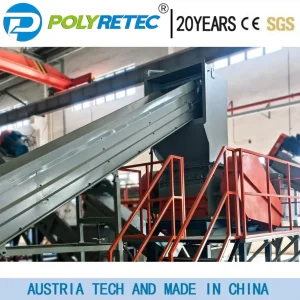
The global demand for masterbatch making machines has evolved beyond standard compounding systems. As global regulatory compliance and material tracking tighten, processors must operate systems capable of handling varying raw inputs. These include recycled post-consumer resins (PCR), highly filled calcium carbonate formulations, and engineering thermoplastics like PC, LCP, and TPU.
Macro Industry Trends: High Torque Densities and Energy Efficiency
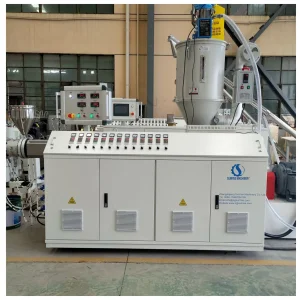
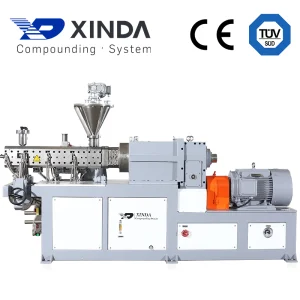
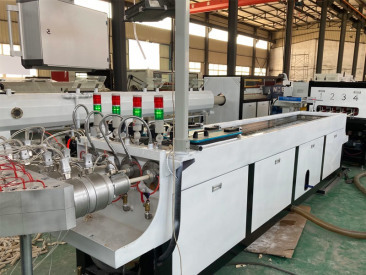
Modern masterbatch compounding factories rely heavily on co-rotating twin-screw extruders. The key to high performance lies in the extruder's torque density ($Nm/cm^3$) and the modularity of the screw profile. Higher torque ratios allow the system to process compounds with high filler content (often exceeding 80% CaCO3 or Talc) at lower melt temperatures. This reduces energy consumption while preventing the thermal degradation of delicate carrier resins like PE, PP, and EVA.
Furthermore, energy consumption has become a key indicator of cost efficiency. By implementing high-efficiency AC motors, permanent magnet synchronous drives, and optimized barrel heating arrays (utilizing insulated ceramic bands or electromagnetic induction systems), modern manufacturers can lower their Specific Energy Consumption (SEC) to below 0.20 kWh/kg.
Refurbishing & Custom Engineering: A Technical Dual-Track Blueprint
The Refurbishment Protocol: Reclaiming Factory Tolerances
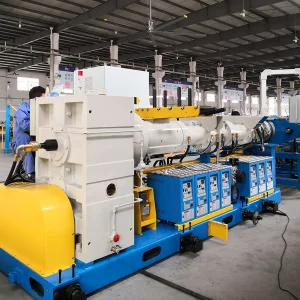
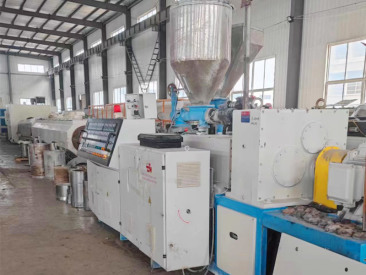
Sourcing pre-owned plastic machinery, particularly high-performance twin-screw lines, requires precise engineering validation. Under the direction of Ningbo Zhida’s engineering team, each machine undergoes a comprehensive refurbishment process:
- Ultrasonic Barrel Integrity Analysis: Barrels are mapped for interior wear and alignment deviations. If wear exceeds 0.2mm, sections are sleeved or replaced with bimetallic linings.
- Screw Element Mapping and Re-segmenting: Specialized screw segments (including kneading blocks, mixing blocks, and reverse elements) are cleaned and matched to the processing requirements of the target polymer (e.g., rigid PVC, TPU, or filled PP).
- Gearbox and Bearing Replacement: Thrust bearing assemblies, which absorb axial pressure during high-filler runs, are fully inspected, and replaced with high-durability SKF or NSK bearings.
- Control System Retrofitting: Legacy analog interfaces are updated to modern PLC networks (such as Siemens S7 systems) with real-time temperature, torque, and pressure data logging.
Custom New Extruder Lines: Matching Specialized Resin Demands
When custom solutions are required, Ningbo Zhida’s partner engineering teams design compounding systems based on specific shear rate models. For instance, processing temperature-sensitive materials like TPU, EVA, or biodegradable polymers (PLA/PBAT) demands customized screw geometry. This involves longer L/D ratios (up to 48:1 or 52:1), multi-point feeding systems, and specialized vacuum degassing setups to extract volatile elements without losing polymer carrier properties.
Global Industrial Status & Region-Specific Market Insights
Plastic processing dynamics vary significantly by geographic region. Understanding these differences allows us to provide targeted machinery solutions that match regional supply chains and power grids:
1. India and South Asia
The Indian compounding market is characterized by rapid growth in the packaging, automotive, and agricultural sectors. High-fill calcium carbonate (CaCO3) masterbatches are widely used to reduce cost-per-ton of film. Processors in this region require high-torque twin-screw extruders with wear-resistant bimetallic liners to handle abrasive fillers while maintaining uptime in warm operational climates.
2. North Africa and Mediterranean (Morocco, Egypt)
Morocco and Egypt serve as vital manufacturing hubs for domestic use and export to Europe. Key demands here include blown-film grade black/white masterbatches and additive masterbatches for greenhouse films. This requires machinery with precise feed systems and multi-channel dosing units to ensure additive dispersion meets European Union standards.
3. Southeast Asia (Vietnam, Bangladesh)
In Vietnam and Bangladesh, home appliance assembly and textile production drive the demand for engineering color masterbatches (ABS, PC, and PA6/66 compounds). Systems in these markets need to deliver high color dispersion and clean clean-out capabilities, allowing fast color changes without material waste.
4. Sub-Saharan Africa (Zambia, Ethiopia)
In emerging industrial markets like Zambia and Ethiopia, reliable, cost-effective equipment is key. Refurbished extruders from trusted Chinese brands (Jwell, BeiEr) provide an ideal entry point, offering European-standard mechanical design at a lower capital investment. Simple control systems and robust components help reduce dependence on highly specialized local technicians.
Technical Roadmap: The Future of Masterbatch Extrusion
Precision Feeding and Automation
Volumetric feeders are increasingly being replaced by multi-component loss-in-weight gravimetric dosing systems. These feed materials directly into the extruder’s throat, maintaining concentration tolerances within ±0.2% and ensuring consistent color matching and filler ratios.
Intelligent Process Adjustments
Future compounding lines will utilize closed-loop control systems. These systems monitor melt pressure and viscosity in real time, automatically adjusting screw speed and feed rates to handle raw material variations, particularly in recycled plastics.
Advanced Wear Diagnostics
By integrating sensors into the barrel wall, operators can monitor barrel and screw wear during production. This allows for predictive maintenance, reducing unplanned downtime and preventing catastrophic failures of critical drive components.