Zhida Plastic Machinery
Zhida Plastic Machinery
Zhida Plastic Machinery
Industrial machinery optimized for high throughput, polymer compounding, and secondary production phases
Established in 2018 in Ningbo, China—a premier manufacturing and global maritime shipping hub—Ningbo Zhida Plastic Machinery Co., Ltd. has risen to become a dominant force in the international plastic extrusion and compounding sector. Emphasizing a strict "integrity-based, quality first" operations model, we have developed a dynamic dual-track machinery framework. This approach combines premium custom-designed new machinery lines with highly scrutinized, expertly reconditioned second-hand industrial plastic machinery.
By bridging the gap between cost-efficiency and premium engineering, we have successfully optimized manufacturing footprints for over 1,000 plastic product manufacturers across the globe. Our client portfolio spans key developing and highly demanding industrial economies, including India, Morocco, Vietnam, Egypt, Pakistan, Bangladesh, Zambia, and Ethiopia. Through systematic mechanical refurbishments and customizable turnkey solutions, we enable businesses to scale production capacity while cutting capital expenditure by 30% to 60%.
Our operational strength lies in our elite engineering core and unparalleled logistics setup. Situated in close proximity to major international airports and deepwater seaports in Ningbo, we offer streamlined global shipping pipelines. This allows us to guarantee rapid, secure machinery exports, complete with expert installation guidance and comprehensive testing documentation.
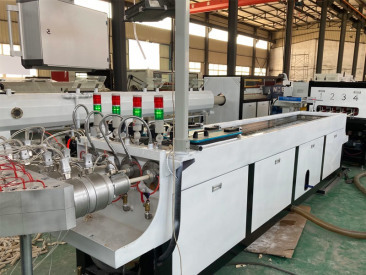
Our dedicated, collaborative R&D engineering divisions formulate tailor-made technical recommendations, carry out full-scope machinery debugging, and deliver customized compounding lines directly to your factory floor at direct-from-manufacturer prices.
We source inventory via direct partnerships with top Chinese factories. Equipment undergoes mechanical diagnostics, comprehensive component refurbishment, dynamic testing runs, and is backed by dedicated structural warranties.
Utilizing our extensive local industrial network across China, we can pinpoint, audit, acquire, and arrange custom delivery of target extrusion machinery models to fit unique process workflows within 7 business days.
Strategic insights into global consumption, processing innovations, and downstream plastic demands
The global PVC (Polyvinyl Chloride) compounding industry represents a vital pillar of the modern construction, automotive, medical, and packaging sectors. Globally, the demand for flexible and rigid PVC compounds is moving toward high-performance formulations that meet strict environmental regulations. Modern PVC compounding lines must handle highly filled formulations (including calcium carbonate, stabilizers, processing aids, plasticizers, and flame retardants) while ensuring consistent, high-torque shearing, dispersion, and degassing.
Today, the market is experiencing a significant shift from traditional lead-based stabilizers to non-toxic Calcium-Zinc (Ca-Zn) and organic-based stabilizers. This chemical transition requires compounding lines with advanced temperature controls and optimized screw geometries. Because PVC is highly heat-sensitive, any localized overheating can cause thermal degradation and release hydrochloric acid (HCl), damaging the extruder. As a result, the demand for advanced counter-rotating twin-screw extruders and co-rotating twin-screw compounding systems has surged among top manufacturers worldwide.
Modern PVC compounds must comply with RoHS, REACH, and FDA standards. To handle Ca-Zn stabilizer systems, extrusion machinery must operate within tight temperature margins to avoid thermal stress on the material.
Circular economy initiatives drive the integration of Post-Consumer Recycled (PCR) plastic and post-industrial scrap into virgin PVC matrices. Compounding lines must process feedstocks with varying densities and moisture levels.
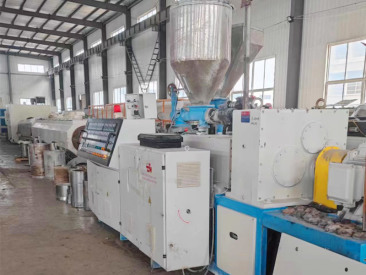
Purchasing used machinery carries operational risks if the equipment is not audited by experienced engineers. At Ningbo Zhida, our core advantage is a specialized engineering team with 15 years of practical maintenance, rebuilding, and diagnostics experience.
We source 90% of our second-hand stock directly from large, operating profile, sheet, and pipe factories in China. We focus on machinery built by the region's elite manufacturers: Jwell, BeiEr, FangLi, Jurry, JinHu, and KraussMaffei (Maffeih). Because of our strong local relationships, we obtain detailed histories of every machine, ensuring we buy only well-maintained equipment that has not suffered structural fatigue.
Once a machine arrives at our testing facility in Ningbo, it undergoes a comprehensive diagnostics and refurbishment program:
Understanding the engineering specifications of twin-screw compounding lines
When choosing a PVC compounding line, selecting the right screw design is critical. Rigid PVC formulations (such as those used for building window profiles, conduits, and high-pressure water pipes) are highly viscous and require high torque at low speeds to prevent shear heating. This requirement makes counter-rotating conical twin-screw extruders the industry standard for direct-to-product extrusion.
For masterbatch blending, color compounding, and high-filler compounds, co-rotating parallel twin-screw extruders are preferred because of their self-cleaning action and excellent dispersive mixing. Below is a comparison table outlining how screw and barrel designs match specific production demands:
| Extruder Screw Type | Typical L/D Ratio | Primary Application Scenarios | Dispersion & Shearing Level |
|---|---|---|---|
| Conical Twin-Screw (Counter-Rotating) | 16:1 – 22:1 | Rigid PVC pipes, window profiles, foam sheets, electrical trunking | Low shear, highly uniform material transport, minimal heat generation |
| Parallel Twin-Screw (Co-Rotating) | 32:1 – 48:1 | PVC compounding pellets, masterbatches, high-filler additives | High shear, intensive mixing, modular screw configuration |
| Single Screw Extruder | 25:1 – 30:1 | Secondary shaping, clean PE/PP/PPR pipe lines, simple profiles | Moderate shear, relies on pre-compounded materials |
Looking forward, PVC processing lines are adopting more digital automation systems. Modern compounding setups utilize gravimetric dosing units to control the ratio of PVC resin to additives, compensating for bulk density variations in real time. Closed-loop control systems adjust screw speed based on melt pressure and temperature readings directly upstream of the die plate, protecting the structural integrity of the final extruded product.
Turnkey systems for building materials, infrastructure, and recycling loops
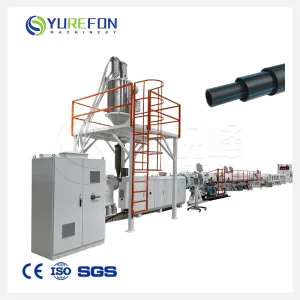
Used to manufacture municipal water supplies, agricultural irrigation systems, and electrical conduits. These lines use conical twin-screw extruders paired with vacuum sizing tanks and multi-claw haul-offs to ensure wall thickness meets international standards.
Designed to extrude complex shapes, door frames, and multi-channel cable trunking. Vacuum calibration tables and precise cooling units prevent warp and distortion in structural profiles.
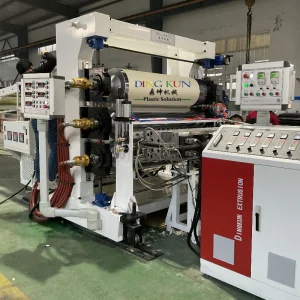
Perfect for producing PVC free foam boards, co-extruded structural boards, and photo album backing sheets. These setups feature T-dies and highly polished three-roll calenders to control sheet thickness and surface finish.
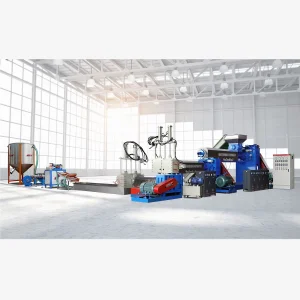
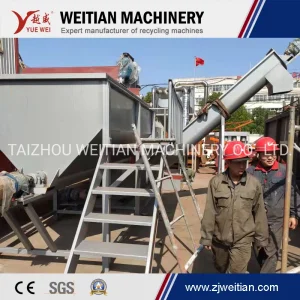
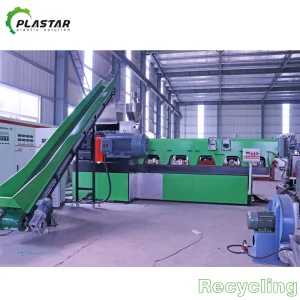
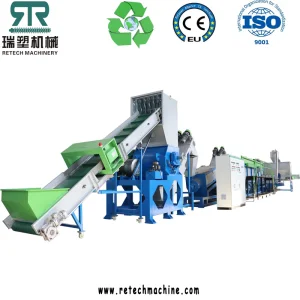
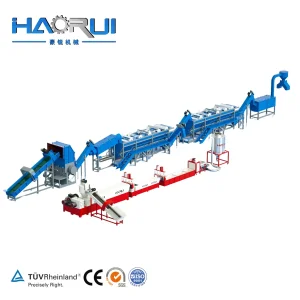
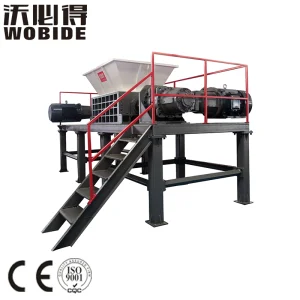
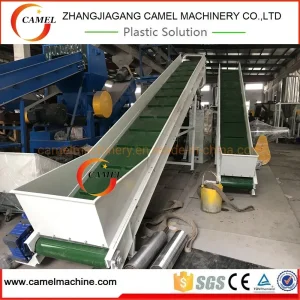
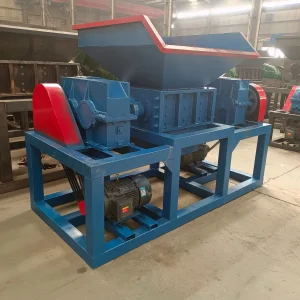
In modern factories, compounding is rarely an isolated process. To lower material costs, manufacturers combine recycling lines with their main compounding and extrusion equipment. For example, rigid PVC pipe scrap or agricultural film waste is processed using robust double-shaft shredders, heavy-duty granulators, and washing lines. Once dried, this recycled plastic is blended back into the compounding feed.
Ningbo Zhida offers complete systems that cover the entire recycling loop: from initial shredding and washing to pelletizing, final compounding, and end-product extrusion. This approach helps manufacturers cut waste, reduce raw material costs, and build reliable closed-loop production systems.
Direct answers to important questions from international buyers
Buying certified second-hand lines from top brands like Jwell or BeiEr cuts capital costs by 30% to 60% compared to new machines. This helps you break even faster, especially when starting new lines or upgrading capacity.
We configure screw zones with precise L/D ratios, install internal oil-cooling systems in the screws, and use responsive air-cooling fans on the barrel zones to prevent localized hot spots that degrade the material.
Yes. Working with our collaborative R&D team, we customize the torque density of the gearbox, screw geometries, and barrel degassing ports to match high-filler ratios, specialty colors, or rigid/flexible PVC specifications.
Every machine undergoes a full inspection under power. We test the main motor currents, check gearbox temperatures and noise levels under load, verify all heater zones, and run materials through the system to ensure smooth operation before dispatch.
Our facility in Ningbo is located close to the airport and seaport. We handle all export packaging, load machines securely into containers, and provide full export document packages for smooth customs clearance at your destination port.
Yes. We offer complete processing lines that include heavy-duty double-shaft shredders, washing and drying units, and pelletizing extruders. These systems prepare post-consumer scrap for compounding and extrusion.
Shredders, washing systems, and extrusion lines to support clean, recycled production loops