Zhida Plastic Machinery
Zhida Plastic Machinery
Zhida Plastic Machinery
Discover our premium range of new and high-quality second-hand industrial plastic processing machinery, featuring automated feeding, dosing, and conveying compatibility.
Optimizing workflow efficiency through advanced screw conveyor mechanics and integrated bulk feeding systems.
In modern manufacturing, bulk material handling is a foundational process that dictates the efficiency, safety, and output quality of processing plants worldwide. The Screw Conveyor Machine stands as a critical mechanism in this domain, designed to transport powder, granules, flakes, and semi-solids along precise production routes. From polymer pellets and dry wood flour inside Wood-Plastic Composite (WPC) plants to chemical fillers, raw masterbatches, and recycled plastic flakes, these machines ensure smooth, continuous, and dust-tight delivery.
As a premier factory and exporter, we address the complex requirements of modern process lines. Our screw conveying solutions integrate directly with feeding bins, compounding machines, single/twin-screw extruders, and recycling shredders. By adopting precise flight geometries and torque-balanced gearboxes, we reduce energy consumption, minimize material degradation, and eliminate structural bottlenecking.
Globally, manufacturing plants face rising operational costs and strict regulatory standards regarding workplace safety and environmental emissions. Closed-loop, dust-free tubular screw conveyors are no longer optional—they are essential for meeting environmental and safety standards. Whether feeding raw starch into high-speed silent crushers or dosing calcium carbonate into PVC profile extrusion systems, choosing the correct material handling setup directly impacts a plant's profitability.
Your Reliable Partner for Used & New Custom Extrusion and Material Handling Systems
Ningbo Zhida Plastic Machinery Co., Ltd. was established in 2018, with its headquarters located in Ningbo, China. The company specializes in the sales and service of used/second-hand plastic machinery and is currently one of the largest suppliers of used/second-hand plastic extrusion machines in China. Since our establishment, we have adhered strictly to the principle of "integrity-based, quality first". We have successfully helped over 1000 plastic product manufacturers reduce production costs, serving clients in India, Morocco, Vietnam, Egypt, Pakistan, Bangladesh, Zambia, Ethiopia, and many other countries.
Through our dual-track model of "used/second-hand machinery supply + new machinery customization", we provide our customers with one-stop and diversified plastic machinery solutions. This enables us to meet different budget and production needs accurately. Customers can opt for high-performance used machinery from top-tier brands or custom-built new machinery delivered with significant cost advantages.
Our strategic sourcing team travels weekly throughout China's industrial hubs, maintaining direct relationships with large scale local pipe, profile, sheet, and plate manufacturers. As a result, 90% of our second-hand inventory consists of premium systems manufactured by China's top five extrusion brands, including Jwell, BeiEr, FangLi, Jurry, JinHu, and KraussMaffei.
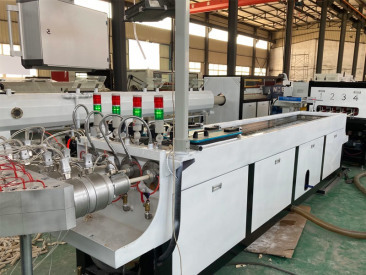
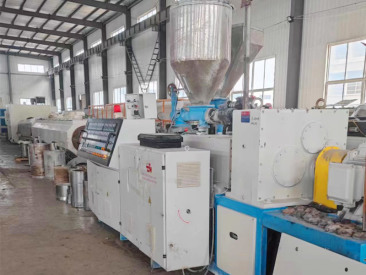
Our engineering team brings 15 years of practical experience in servicing, rebuilding, and testing heavy-duty plastic extrusion and feeding systems. We perform detailed assessments of the motor, gearbox, variable frequency drives (VFD), control inverters, and melt pumps. Any worn or underperforming components are replaced or rebuilt.
Every piece of machinery undergoes strict performance testing under load conditions prior to dispatch. This process ensures the equipment operates smoothly and reliably upon arrival at our customer's facility. We also provide aesthetic refurbishment, giving second-hand machines a clean, professional finish.
Our factory in Ningbo is located close to both the international airport and one of China's largest seaports, offering convenient logistics and transport options for global shipping.
How we combine new equipment customization with certified used inventory to optimize client capital expenditure.
A deep dive into structural design, flight configuration, and wear protection mechanisms for industrial material handling.
The performance of a screw conveyor depends heavily on the interaction between the helicoid flighting and the conveyed material. A standardized, one-size-fits-all conveyor often leads to bottlenecks, material slippage, excessive wear, or motor overload. To ensure reliable performance, we customize screw profiles based on the physical properties of the target materials.
| Material Type | Typical Applications | Recommended Flight Configuration | Wear Resistance Treatment |
|---|---|---|---|
| Free-Flowing Pellets | PE, PP, PS, PET chips feeding | Standard pitch, continuous flight | Polished carbon steel / AISI 304 stainless steel |
| Sticky or Cohesive Powders | Masterbatch blending, pigments, PVC powders | Shaftless ribbon flight, wide pitch | PTFE fluoropolymer non-stick lining |
| Highly Abrasive Recyclate | Washed plastic flakes, crushed glass/mineral filler | Variable pitch, sectional heavy-duty flight | Tungsten carbide coating / Stellite hardfacing |
| Shear-Sensitive Raw Materials | Bio-degradable PLA composites, wood fibers | Tapered root shaft, double-flight design | Nitrided surface hardening (HV900+) |
To determine the volumetric throughput ($Q$, in cubic meters per hour) of a screw conveyor, our engineering team uses the following volumetric formula:
Where:
• D = Outer diameter of the screw flight (m)
• d = Diameter of the inner shaft (m)
• p = Screw flight pitch (m)
• n = Rotational speed of the screw (RPM)
• ψ = Trough loading ratio (typically ranges from 0.15 for abrasive powders to 0.45 for free-flowing pellets)
• C = Inclination factor (conveying capacity decreases as the angle of inclination increases)
By calculating these parameters, we ensure the selected motor gearboxes provide sufficient torque without wasting electrical energy. This sizing method protects raw materials from friction-induced thermal degradation, keeping the production line running efficiently.
Integrating material handling and extrusion technology across diverse global markets.
When exporting screw conveyors and extrusion lines to highly regulated markets like the United States and the European Union, compliance is essential. For the EU, all machinery is designed and certified according to the CE Machinery Directive 2006/42/EC and the Low Voltage Directive 2014/35/EU.
Furthermore, handling organic materials such as wood flour for WPC profile lines or starch for bio-degradable plastics extrusion requires explosion-proof precautions. We supply motors and controls rated for ATEX Zone 21/22 to safeguard operations against dust-explosion hazards. For the US market, components comply with CEMA (Conveyor Equipment Manufacturers Association) sizing standards and UL-listed electrical panels.
In rapidly growing industrial regions—including India, Egypt, Vietnam, Morocco, and Pakistan—production equipment must handle challenging environmental conditions, such as high ambient temperatures, humidity, and fluctuating power supplies.
Our machines are built with heavy-gauge steel framing, oversized cooling fans for electrical cabinets, and high-tolerance gearboxes. By offering cost-effective refurbished machinery from top-tier brands like Jwell and BeiEr, we enable manufacturers in these regions to establish production lines with low initial capital investment while maintaining high reliability.
Expert answers to common engineering questions about screw conveyors and feeding systems.
Shafted screw conveyors feature a central pipe that supports the helical flighting, making them ideal for long-distance, high-speed conveying of free-flowing dry materials. Shaftless conveyors, on the other hand, use a heavy-duty spiral supported by a low-friction trough liner. This design eliminates the central shaft, making them highly effective for handling sticky, cohesive, or irregular materials—such as wet recycled plastic flakes or fibrous wood residues—without clogging.
As the inclination angle increases, conveying efficiency drops due to gravity and material fallback. For example, a screw conveyor operating at a 45-degree incline retains only about 50% to 60% of its horizontal capacity. To compensate for this loss, we increase the rotation speed (RPM), reduce the pitch of the screw, or transition from a standard U-trough to a fully enclosed tubular casing to prevent material slippage.
Material bridging occurs when cohesive powders or irregular fibers form a self-supporting arch over the feed outlet, stopping the flow. To prevent this, we equip our feed hoppers with mechanical agitators, bin vibrators, or specialized steep-wall geometry. For highly cohesive materials, we utilize live-bottom bin screw dischargers with multiple parallel shafts to ensure constant material flow.
Our 15-year experienced engineering team runs a structured diagnostic check. We measure motor winding insulation resistance and check bearing wear under load. Gearboxes are disassembled to inspect for gear backlash, tooth wear, and shaft alignment. Seals and oil gaskets are replaced as standard, and the entire assembly is test-run at maximum torque to verify temperature stability and noise levels before dispatch.
The dual-track model allows customers to balance capital expenditure and performance. They can deploy refurbished machinery from premium brands like Jwell or BeiEr for high-wear processing zones—saving 30% to 60% compared to new systems—while investing in customized new equipment for specialized processing steps. This hybrid approach optimizes the project budget without sacrificing reliability.
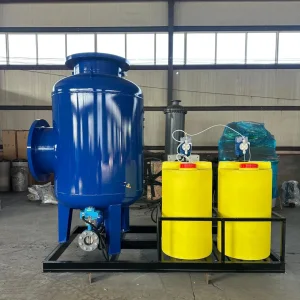
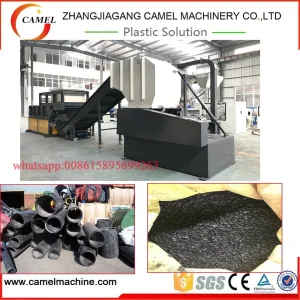
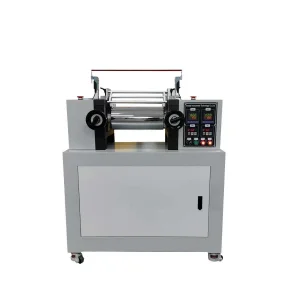
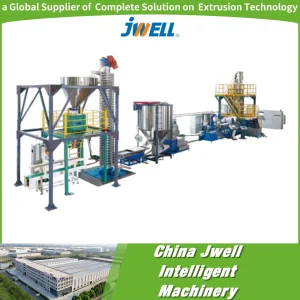
Complete your production lines with our industrial-grade auxiliary machinery, engineered for high-performance washing, dosing, and processing.