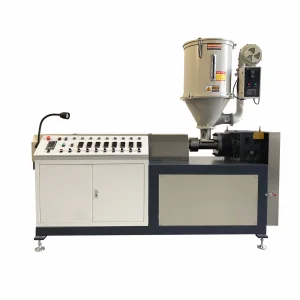
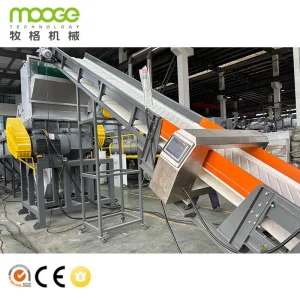
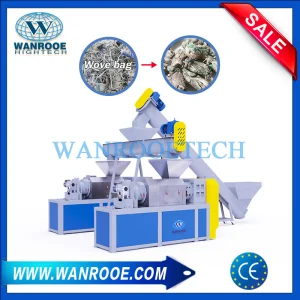
Zhida Plastic Machinery
Zhida Plastic Machinery
Zhida Plastic Machinery
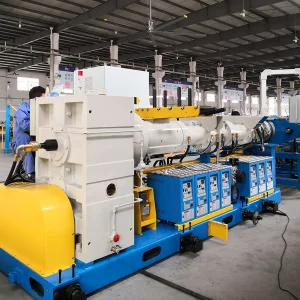
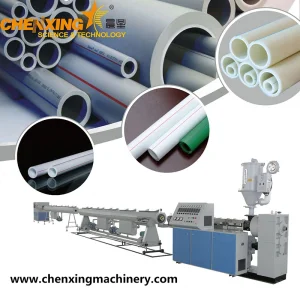
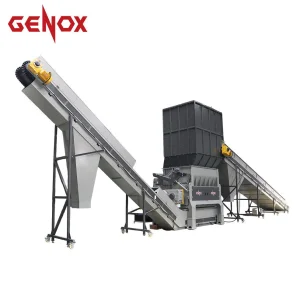
High-precision ancillary equipment, size reduction solutions, and custom sheet/profile extrusion lines designed to pair seamlessly with advanced volumetric and gravimetric dosing units.
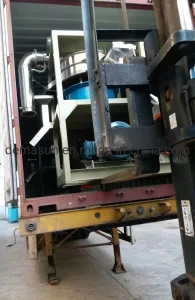
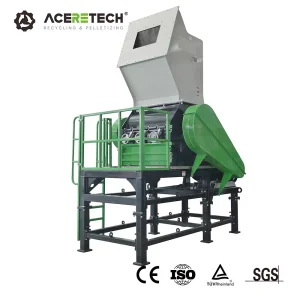
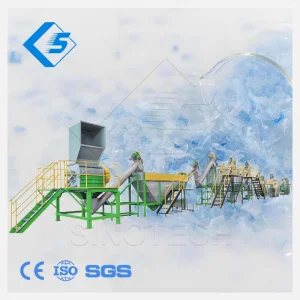
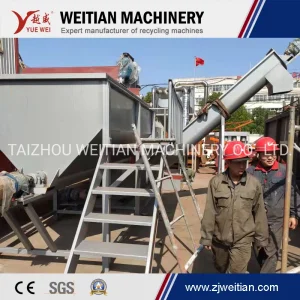
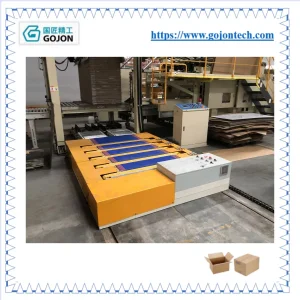
In the highly competitive polymer processing industry, material cost accounts for up to 70% to 80% of total operational expenditures. Precision in raw material feeding is not merely an engineering metric; it is the cornerstone of profitability and structural integrity. Volumetric dosiers (or volumetric feeders) operate by utilizing a calibrated screw rotating at a controlled speed to deliver a constant volume of masterbatch, additives, regrinds, or raw resins into the primary extruder throat.
As global manufacturers transition towards circular economies and demand higher ratios of recycled content (such as flakes generated from PET Bottle Washing Lines or PVC Pulverizers), dosing units must handle materials with varying bulk densities, structural geometries, and flow properties. This deep-dive whitepaper addresses the design paradigms, integration frameworks, and global supplier evaluation matrices required to deploy volumetric dosing technology successfully.
Historically, volumetric feeders have been praised for their cost-effectiveness, simplicity, and low maintenance overhead. However, the modern extrusion line demands adaptability. The future engineering roadmap of volumetric dosing centers around three distinct technical vectors:
Modern volumetric control panels are now equipped with real-time feedback loops. By monitoring variations in extrusion torque and melt pressure, the dosing PLC automatically adjusts the rotation speed curves of the screw, narrowing the accuracy gap typically found between standard volumetric and high-end loss-in-weight (gravimetric) systems.
With the rise of glass-fiber reinforcement, flame retardants, and hard regrinds from industrial shredders, volumetric dosiers are utilizing advanced metallurgy. Hardened chromium alloys, plasma-nitride coatings, and modular, tool-less quick-change screws ensure zero down-time when changing formulations.
Integrating dosing stations into ERP or MES systems is standard practice. Modern exporters must support industry communication protocols like OPC UA, Modbus RTU, and Profinet. This allows centralized recipe management and real-time raw material consumption logging for compliance audits.
A dosing unit does not operate in isolation. High-throughput applications require the seamless integration of volumetric dosiers with primary processing lines, cooling mechanisms, and material handling systems.
When handling low bulk density materials like PP/PE film flakes or shredded bottle flakes, traditional volumetric feeders face bridging and rat-holing issues in the hopper. Systems equipped with secondary vertical agitators or paddle-assisted hoppers prevent material compaction, ensuring consistent bulk filling of the dosing screw flighting.
Multi-layer sheet lines (such as GPPS or PMMA packaging films) require multiple dosing stations working in synchrony. The volumetric controller must slave its dosing rate directly to the master extruder screw's RPM tachometer signal. If the main extruder speeds up to compensate for melt temperature shifts, the volumetric dosier scales dynamically to keep a constant multi-layer ratio.
For high-precision technical profiles (like PA66 thermal break strips or medical-grade tubes), any dosing variation instantly causes dimensional deviations. Here, micro-volumetric dosiers featuring specialized triple-flighted micro-screws and dual step-motors deliver resolution down to fractions of a gram per minute.
Our partner manufacturing footprint and technical maintenance capabilities across global markets reflect a legacy of quality and supply chain resilience.
Established in 2018 in Ningbo, China, Ningbo Zhida Plastic Machinery Co., Ltd. is a leading specialist in both premium second-hand/used machinery deployment and new machinery customization. Our dual-track supply model bridges the gap between high performance and capital efficiency.
How the integration of Chinese manufacturing clusters (Ningbo, Shunde, Zhangjiagang) provides an unassailable competitive advantage in precision engineering, lead times, and technological integration.
Industrial Clustering & Specialized Sourcing
The Chinese machinery landscape benefits from localized industrial ecosystems. For instance, the Ningbo cluster excels in high-precision components, injection systems, and electronic controllers, while Zhangjiagang leads in extrusion metallurgy and size reduction equipment. By maintaining permanent sourcing channels with elite brands such as Jwell, BeiEr, and FangLi, our engineers source top-tier mechanical components at localized volume discounts.
Refurbishment Engineering & Lifecycle Management
A high-quality refurbished volumetric feeder or plastic extruder from top brands has a structural lifespan of 15 to 20 years if maintained correctly. Ningbo Zhida's engineering team inspects every critical mechanical junction, replaces standard bearings with high-grade imports, and implements solid-state PLC controllers. This allows companies to purchase robust gearboxes and heavy-duty steel frames at a fraction of the cost, reserving capital for primary raw material acquisitions.
Global Procurement Needs & Adaptation
Purchasing groups from India, Morocco, Vietnam, Egypt, Pakistan, Bangladesh, Zambia, and Ethiopia have differing requirements for dust protection, electrical grids, and operator skill levels. We adapt every machine to local conditions. Our dual-track model ensures that whether a client chooses a refurbished Jwell line with customized volumetric additions or a completely new, built-to-spec extrusion line, it will operate consistently.
A comparative breakdown of the industry's leading volumetric dosing specialists, helping procurement directors match process requirements with supplier strengths.
Known globally for ultra-precise dosing, high-end modular designs, and unmatched loss-in-weight and volumetric controllers. Excellent for cleanroom and pharmaceutical compounding.
Best For: High-precision medical and food packaging lines.Italian leader offering highly integrated systems with smart control features. Their volumetric units pair seamlessly with advanced material handling setups.
Best For: Large automotive molding and compounding plants.Moretto delivers outstanding stability in additive feeding. Their dual-motor volumetric setups provide steady feeding rates at low speeds.
Best For: High-precision technical profile extrusion.China's largest extrusion manufacturer, offering integrated volumetric and gravimetric systems. Extremely robust, designed for high-throughput continuous manufacturing.
Best For: Turnkey sheet, pipe, and board extrusion lines.Conair's volumetric feeders are built for extreme durability in rough industrial environments. Quick-clean hoppers make material changes simple.
Best For: High-capacity injection molding and blow molding.Famous for reliable gravimetric blenders, Maguire also manufactures highly dependable volumetric units featuring slide-gate technology and modular screws.
Best For: Reliable masterbatch dosing on a budget.Shini provides cost-effective, standard volumetric dosiers globally. A great balance of cost, ease of maintenance, and solid performance.
Best For: Standard packaging and general injection molding.Premium provider of raw materials dosing solutions for demanding chemical compounding and pharmaceutical operations.
Best For: Continuous chemical compounding and masterbatch production.German manufacturer focused entirely on the Plasticolor volumetric dosing system, known for excellent reliability and long-term calibration stability.
Best For: Long, continuous production runs with minimal maintenance.Combining the cost-efficiency of refurbished systems from Jwell/BeiEr/FangLi with targeted new volumetric dosing upgrades to match customer budgets.
Best For: Value-focused, high-reliability operations in developing markets.Navigating cross-border compliance, electrical grid variations, and machinery safety standards is essential for a reliable international procurement strategy.
All customized and refurbished machines are configured to meet local safety standards. This includes installing proper emergency stop systems, enclosed safety barriers, and CE-marked electrical cabinets.
Whether your plant runs on 220V single-phase, 380V/50Hz, or 460V/60Hz three-phase power, all variable frequency drives (VFDs), heating bands, and PLC components are specified for your local grid.
To prevent moisture damage during ocean transit, machines receive anti-rust coatings and are vacuum-wrapped with silica gel packets inside heavy-duty steel-reinforced wooden crates.
We offer digital commissioning support, detailed schematics in English, and can deploy senior technicians to your site for setup and training on complex lines.
Get answers to common engineering and procurement questions regarding volumetric dosing systems and machinery imports.
A volumetric dosier feeds material based on volume (speed of the screw flights), assuming constant material density. A gravimetric (loss-in-weight) dosier continuously weighs the material hopper, adjusting screw speed in real-time to match a target weight output. Volumetric dosiers are more cost-effective and simpler to maintain, making them ideal when material bulk density is consistent.
Every second-hand plastic extrusion line, shredder, or pulverizer undergoes a strict inspection protocol. Our engineering team inspects the motor coils, checks gearbox tolerances, monitors VFD behavior, and tests structural heating zones. We run test materials through the lines to verify stable operation before finalizing shipments.
Depending on complexity, standard new lines (such as single-screw pipe extrusion or water cooling lines) take 30 to 45 days. Large, customized co-extrusion setups requiring custom tooling and specialized volumetric/gravimetric integrations may take 60 to 75 days.
Yes. Our sourcing specialists travel through China's main manufacturing provinces weekly. Through our relationships with major pipe, sheet, and profile plants, we can source specific models from top brands (like Jwell, FangLi, BeiEr, Jurry) within 7 days.
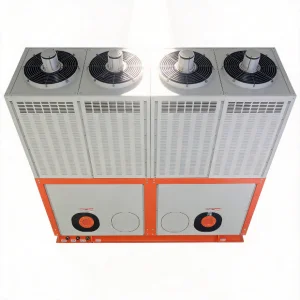
Explore our complete lineup of heavy-duty extrusion downstream equipment, high-output cooling units, and profile extrusion systems.