Zhida Plastic Machinery
Zhida Plastic Machinery
Zhida Plastic Machinery
Engineered for High-Performance Plastic Processing in Busan's Maritime, Automotive, and Logistics Segments
Serving South Korea's maritime capital with cutting-edge mechanical recycling technologies designed to meet strict K-REACH environmental rules.
As South Korea's premier port city and the backbone of the South-East Economic Zone, Busan operates at the crossroads of global shipping, automotive manufacturing, and heavy petrochemical industries. The region generates a vast and complex waste stream, ranging from discarded marine gear and agricultural PE films to industrial automotive scrap. Modern environmental regulations enforce zero-landfill targets and demand closed-loop supply chains. For local manufacturers in Sasang-gu, Gangseo-gu, and the surrounding Gyeongsang provinces, implementing high-yield extrusion systems is no longer optional—it is a vital operational requirement.
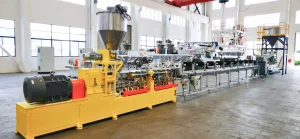
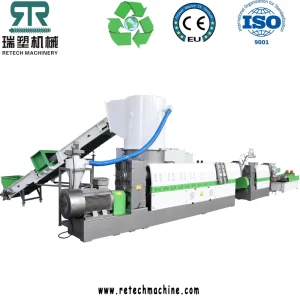
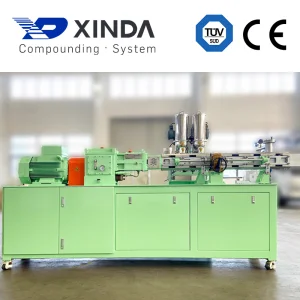
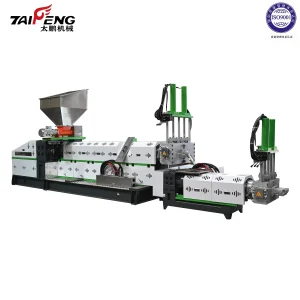
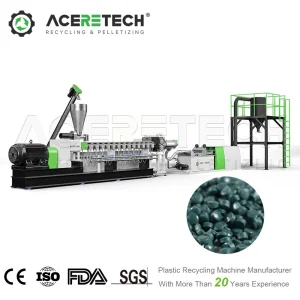
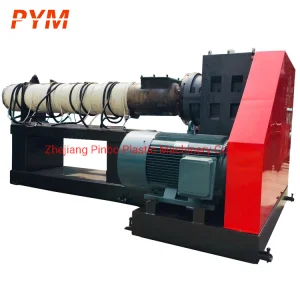
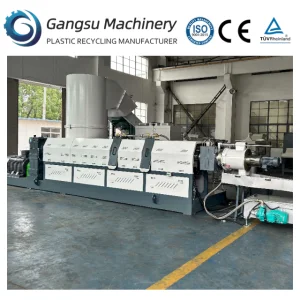
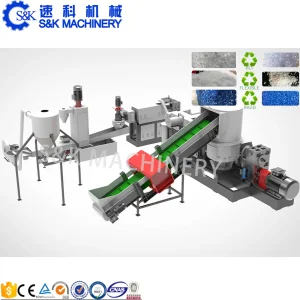
Ningbo Zhida Plastic Machinery Co., Ltd. provides customized and certified recycling extrusion systems built for the challenging raw feedstocks encountered in South Korea's industrial corridor. By processing post-industrial scrap and post-consumer polymers into high-value resins, our machines help local plants minimize production costs while ensuring full compliance with national environmental directives.
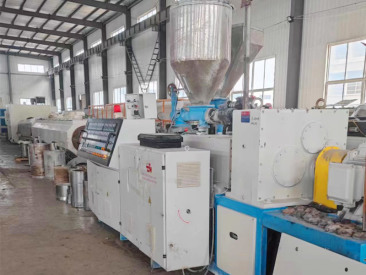
A smart procurement framework balancing CapEx efficiency and customized technological precision
Acquire top-tier Chinese extrusion brands—including Jwell, BeiEr, FangLi, Jurry, JinHu, and Maffeih—fully refurbished and performance-tested at prices 30% to 60% lower than new machinery. Ideal for rapidly expanding capacity under tight budgets.
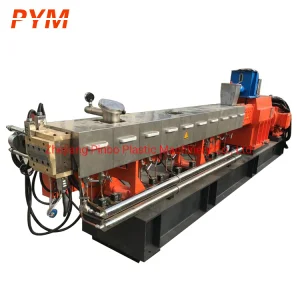
Partner with our dedicated R&D engineering team to design bespoke extrusion lines. Optimize screw geometries, degassing units, and automated pelletizing formats specifically for your high-complexity polymers and target throughput rates.
Our engineering team brings 15 years of maintenance experience to inspect, repair, and upgrade crucial sub-systems: motors, gearboxes, inverters, and pumps. Every machine undergoes loaded test runs prior to dispatch.
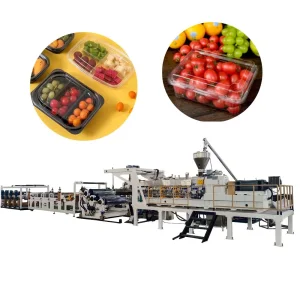
Tailored systems for processing biodegradable polyesters, composite laminates, and rigid thermoplastic profiles
Industrial design principles that guarantee thermal stability, gas extraction efficiency, and uniform melt density
Processing highly contaminated polymers like industrial scrap, marine packaging, and agricultural films requires advanced screw geometries. Our systems utilize specialized high-shear screw profiles that balance thorough blending with low thermal stress to prevent material degradation.
For complex multi-layered films (such as LDPE/LLDPE co-extrusions) or highly printed packaging materials, we configure custom L/D (Length-to-Diameter) ratios ranging from 30:1 to 36:1. This extended barrel length allows for multiple degassing ports and precise temperature profiling across up to seven heating zones, facilitating stable volatile release and consistent polymer output.
The ideal pelletizing format depends directly on the polymer's viscosity and density:
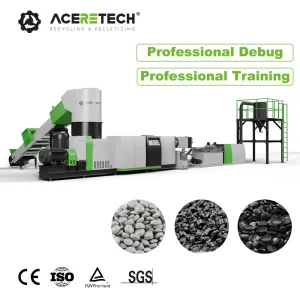
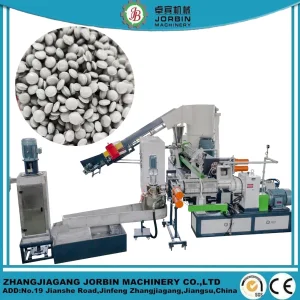
Water-Ring Pelletizing: Highly recommended for polyolefins (PP, LDPE, HDPE). The blades cut the polymer strands as they emerge from the die plate, and the cut pellets are immediately cooled in a circulating water ring. This provides a compact design and highly uniform pellet shape.
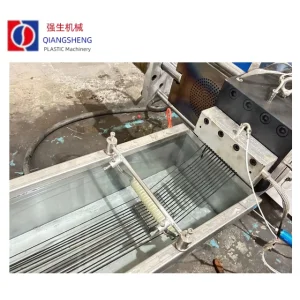
Strand Pelletizing: The traditional choice for rigid engineering plastics (such as PET, PA, and ABS compounds). Extruded strands are cooled in a water bath before being fed into a rotary strand cutter. This setup is ideal for handling low-melt-strength polymers.
Underwater Pelletizing: The optimal choice for high-volume automated processing. Operates in a completely closed loop, minimizing dust and producing highly consistent, round pellets.
How we source, inspect, test, and ship high-tonnage plastic extrusion machinery to Busan Port
Our procurement teams inspect pipe, profile, and sheet extrusion plants weekly. We source high-quality machinery, focusing on major manufacturers like Jwell, BeiEr, FangLi, and Jurry. This ensures the base structural components, motor bases, and cast gearboxes are built to last.
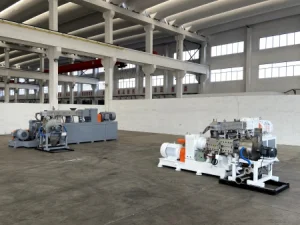
Each machine is stripped down for cleaning and inspection. Key steps include measuring screw wear tolerances, testing motor winding resistance, replacing seals, checking gearbox backlash, and upgrading older control panels to modern PLC systems.
We run operational testing using material feed before shipping. This tests the temperature controls, melt pressure stability, and throughput consistency. Customers receive full video records and testing data sheet reports.
Ningbo's close proximity to major container terminals enables streamlined shipping logistics. We provide direct shipping routes from Ningbo Port to Busan Port (BPT), offering short transit times (typically 2–3 days) and reliable container delivery.
Inquire About Sourcing & Shipping RatesExplore our main product offerings, available for shipping to South Korea and global markets
Ensuring that our machinery meets industrial electrical, safety, and mechanical regulations
To integrate directly into South Korean power grids, our custom machinery is configured to meet standard localized industrial electrical layouts. We design electrical systems for 3-phase 380V/220V at 60Hz, matching South Korea's grid requirements.
Control enclosures use premium components like Schneider, Siemens, and ABB contactors. They feature thermal overload protection and high-efficiency cooling fans to prevent heat build-up. We also design systems with safety locks on control panels and emergency shutoffs next to the hopper and die plates to meet local safety standards.
South Korea's environmental regulations mandate strict tracing of plastics and processing additives. Recycled pellets produced by our granulating lines help processors maintain consistent resin properties, aiding in compliance audits under K-REACH.
Our multi-zone vacuum degassing units remove volatile organic compounds (VOCs) and moisture from recycled materials, which is crucial for achieving high purity. This degassing capability allows recyclers to process complex packaging films while keeping residual chemical contamination below regulatory thresholds.
Expert answers addressing the key mechanical, operational, and logistics considerations for buyers in Busan
Because our refurbishment facility in Ningbo is located close to the seaport, transport is efficient. Transit time for container cargo (FCL) from Ningbo Port to Busan Port (BPT) is typically 2 to 4 days, with multiple weekly departures. Custom manufacturing timelines for new equipment generally take 45 to 60 days, while standard refurbished units can be tested, certified, and packed for shipment within 15 to 25 days.
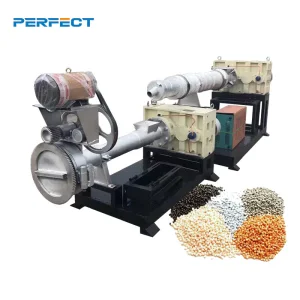
For highly contaminated feeds (such as post-consumer PE/PP films containing paper labels or sand), we recommend a double-stage extrusion configuration. The first stage uses a single-screw extruder with high shear to melt and homogenize the plastic, followed by a hydraulic screen changer to filter out larger particles. The second stage uses a smaller single-screw extruder to cool the melt slightly and perform fine filtration before pelletizing, which prevents processing defects.
Yes. Our dual-track model allows us to combine the cost benefits of used main machines with custom-built upgrades. We can retrofit used Jwell or FangLi extruders with brand-new die heads, custom-engineered screws, upgraded vacuum venting systems, or advanced pelletizing setups (such as converting a strand system to a water-ring pelletizer) to match your specific production requirements.
During the refurbishment process, the main gearbox is disassembled, cleaned, and inspected for gear wear. We replace all worn bearings and oil seals. Main motors undergo insulation resistance and current tests. Once reassembled, the entire extrusion line runs a wet-testing cycle under simulated load conditions to confirm that operating temperatures, motor currents, and screw speeds meet target specs before packaging.
Yes. Control systems using touchscreen HMIs (such as Siemens or Delta displays) are programmed with multi-language user interfaces, support English and Korean, and can be customized with other language options upon request. This helps local operators in Busan monitor process parameters, track alarms, and adjust temperatures easily.