 Zhida Plastic Machinery
Zhida Plastic Machinery
Zhida Plastic Machinery
Optimized extrusion technology customized for low-footprint, high-reliability island processing.
Understanding the unique economic and geographical drivers behind the island nation's urgent transition to localized plastic upcycling.
The Republic of Maldives, globally renowned for its pristine marine biodiversity and luxury tourism sector, faces a critical waste management dilemma. Comprising approximately 1,192 coral islands dispersed across 90,000 square kilometers, the logistics of solid waste collection and processing are exceptionally complex. The central hub for refuse disposal, Thilafushi artificial island (popularly termed "Trash Island"), has long been a focal point for environmental concern. However, with modern national directives aiming to ban single-use plastics and foster a functional circular economy, the Maldives is actively transitioning toward decentralized recycling infrastructure.
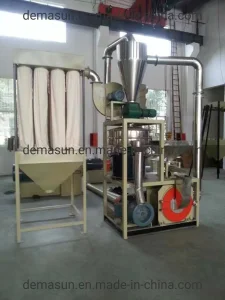
For Maldivian resorts, municipal councils, and industrial ports (such as Male and Addu City), establishing localized plastic processing sites is key to reducing the volume of waste destined for Thilafushi. PET beverage bottles, high-density polyethylene (HDPE) personal care containers, and low-density polyethylene (LDPE) packaging film represent the vast majority of municipal solid waste (MSW) in these regions. By deploying heavy-duty, corrosion-resistant granulators, municipal operators and private waste entities can reduce municipal plastic volume by up to 90%, transforming it into high-bulk-density raw materials ready for global export markets or local construction applications.
Deciphering engineering standards, twin-screw configurations, and dynamic polymer degradation prevention.
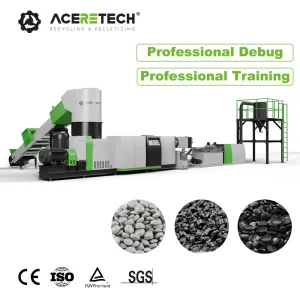
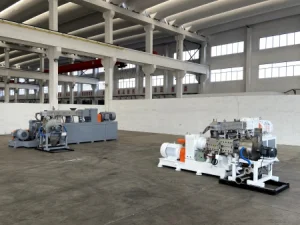
On a global scale, the plastics recycling sector is shifting from basic mechanical crushing to high-efficiency, multi-stage filtration and extrusion systems. As a leading supplier and manufacturer, Ningbo Zhida Plastic Machinery Co., Ltd. is at the forefront of this shift. We support clients through a unique dual-track model, offering both custom-built new extrusion machinery and rigorously refurbished pre-owned machinery from elite global brands like Jwell, BeiEr, FangLi, and JinHu.
For modern recycling centers, maintaining high polymer purity during processing is critical. Ocean-bound plastics and municipal waste collections from the Maldives are often contaminated with sea salt, sand, and organic matter. This requires advanced granulator lines equipped with continuous belt screen changers, dual-vent vacuum degassing systems, and smart PLC controllers. These systems prevent material degradation and remove volatile moisture, producing high-grade pellets that command premium prices in export markets.
For remote operations like those in the Maldives, equipment reliability is vital. Heavy salt mist and high humidity require robust machinery designs. Ningbo Zhida addresses this by incorporating specialized anti-corrosion alloys on screw components, IP66-rated control cabinets, and energy-efficient electromagnetic heaters that reduce electrical overhead by 30-40% compared to traditional ceramic bands.
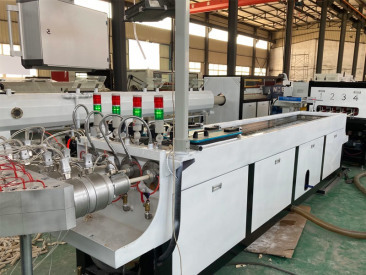
Tailoring granulation hardware configurations to match the specific waste streams of the Maldivian islands.
Luxury resorts can establish micro-recycling stations on utility islands. By processing PET water bottles and HDPE containers into clean, densified flakes, resorts eliminate shipping costs for loose waste and generate valuable materials for local upcycling or concrete reinforcement.
Discarded nylon monofilament nets, polypropylene (PP) mooring ropes, and expanded polystyrene (EPS) fish crates pose a severe threat to marine life. Heavy-duty shredder-granulators chop these high-toughness polymers into feedstocks suitable for reprocessing into injection-molded commercial crates.
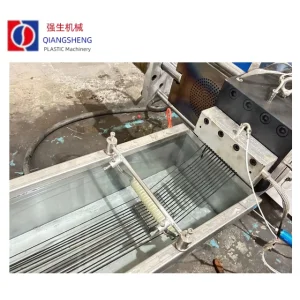
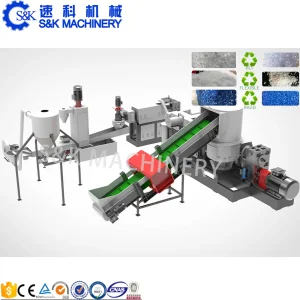
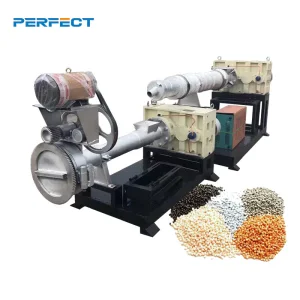
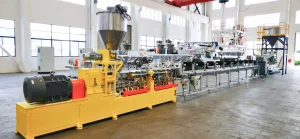
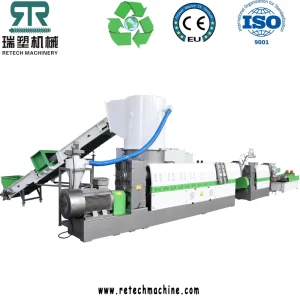
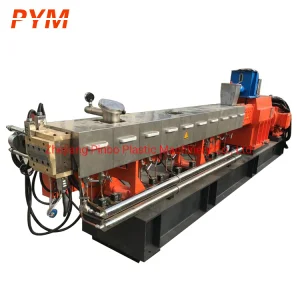
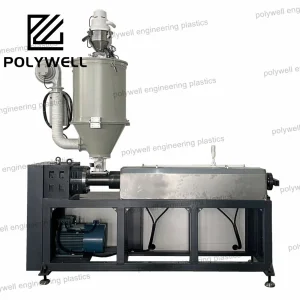
Central waste collection ports can aggregate post-consumer plastic and run high-output wash-to-granulation lines. High-throughput single-screw and twin-screw extruders transform bulky mixed plastics into clean, densified pellets ready for international shipping container loading.
Why global polymer processors trust our dual-track supply and customization services.
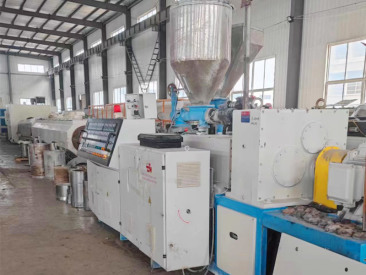
Established in 2018 in Ningbo, China—one of the world's premier deepwater ports and manufacturing hubs—Ningbo Zhida Plastic Machinery Co., Ltd. has grown into a leading supplier of used and new plastic extrusion machinery. We have helped more than 1,000 plastic product manufacturers worldwide reduce setup costs and increase output. Our global client base spans India, Morocco, Vietnam, Egypt, Pakistan, Bangladesh, Zambia, Ethiopia, and beyond.
Our business relies on a two-pronged model:
Every piece of machinery undergoes strict testing by our engineers, who have over 15 years of industry experience. They inspect motors, gearboxes, inverters, and vacuum pumps, replacing worn components with premium parts to ensure optimal operation upon arrival.
All machinery undergoes complete load-testing before shipment, ensuring stable operation under continuous processing loads.
Leveraging a broad network of manufacturing partnerships across China, we can locate and secure specialized industrial machinery within a week.
Refurbished options provide reliable performance while keeping startup costs low, freeing up budget for local site development.
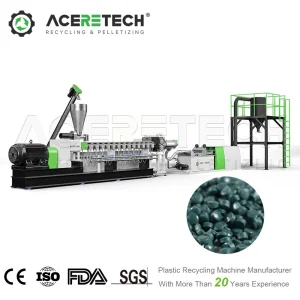
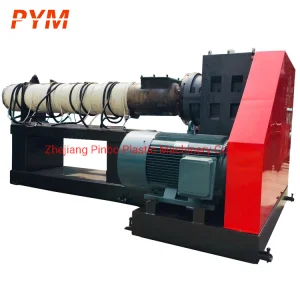
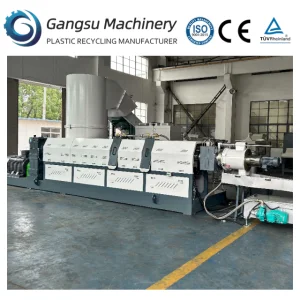
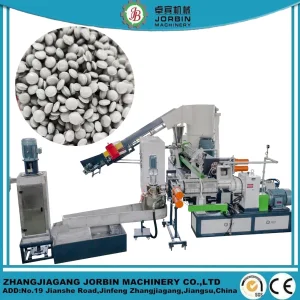
High-throughput extrusion technology for diverse polymers, customized for island and marine recycling applications.
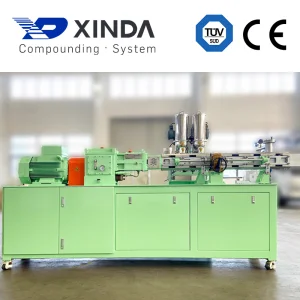
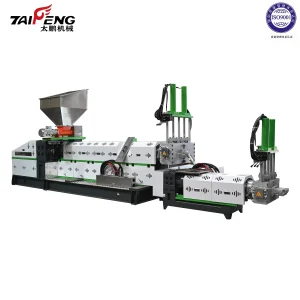
A deep dive into industrial compliance, voltage considerations, and protection for island-installed extrusion plants.
Operating heavy industrial extrusion machinery on an island requires careful planning. Most power generation in the Maldives relies on diesel generator grids, which are sensitive to large starting currents and fluctuations in reactive power. Standard extrusion machines can cause voltage drops that disrupt local electrical networks. Ningbo Zhida addresses this by configuring all export-bound extruders for the Maldives with soft-start variable frequency drives (VFDs) and power factor correction capacitors, ensuring smooth startup cycles and stable power consumption.
In addition, the high humidity and salt content of coastal air accelerate corrosion. If left unprotected, standard steel components can degrade rapidly, leading to mechanical failures and product contamination. We mitigate these risks through targeted material upgrades:
Our engineering team works closely with logistics and installation specialists to ensure that machinery can be transported on shallow-draft supply vessels and set up on remote atolls. We provide comprehensive documentation and step-by-step video guidance to facilitate installation and commissioning by local technical teams.
Technical answers regarding installation, shipping logistics, customization, and after-sales support.
Our standard machinery is configured for a 380V/50Hz/3-Phase power supply. However, we can customize the motors and heating elements to match the local grid requirements of your installation site, including 400V or 415V systems. We also recommend incorporating VFD soft-starts to prevent power surges on smaller island generator grids.
Every pre-owned machine undergoes a comprehensive refurbishment process. Our engineering team inspects critical wear points, including the screw, barrel, gearbox, and heating bands. Any worn or damaged components are replaced. We conduct dry runs and material trials for each machine, and we provide video confirmation of the testing process before preparing the unit for shipment.
Standard machines in our current inventory can be processed, tested, and packed for shipment within 10 to 15 days. Customized new machinery configurations typically require 30 to 45 days. Shipments are loaded at the Port of Ningbo (China) and transit via major maritime shipping lines directly to Male. Transit times generally range between 18 and 28 days depending on the shipping route.
We supply a comprehensive package of critical spare parts—including heaters, thermocouples, blades, and screen packs—with every machine shipment. Our engineers provide online technical support and video diagnostics to assist your local maintenance teams with adjustments and repairs. We also select standard components from globally recognized brands to ensure parts can be sourced locally when needed.
Yes, but processing ocean-bound plastics requires specific configurations to handle contaminants like sand and residual salt. We recommend using double-stage extrusion lines with dual venting and continuous hydraulic screen changers. These features help filter out solid particles and vent off moisture, producing clean, uniform pellets suitable for manufacturing or export.