Zhida Plastic Machinery
Zhida Plastic Machinery
Zhida Plastic Machinery
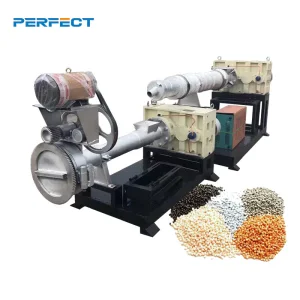
Engineered for maximizing throughput, reducing energy inputs, and scaling the processing of local post-industrial and post-consumer polymer waste streams in Lesotho.
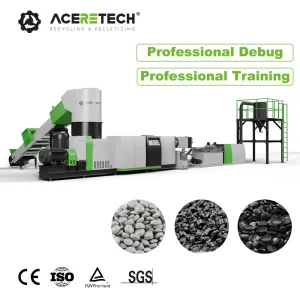
Lesotho's industrial sector, dominated by garment manufacturing, textiles, and domestic packaging, is undergoing a pivotal shift towards sustainability and localized supply chains. Strategically located within the Southern African Customs Union (SACU), Lesotho has historically imported almost all its raw polymer resins and finished plastic goods from neighboring South Africa or international partners. However, rising logistics costs, strict regional carbon-reduction frameworks, and national environmental mandates are forcing local manufacturers to establish their own in-house reclamation setups.
By transforming post-industrial cutoffs and post-consumer municipal waste directly within the country's manufacturing hubs—such as the Thetsane and Maputsoe Industrial Areas—Lesotho enterprises are achieving self-reliance. Implementing robust plastic granulator machines and twin-screw extrusion systems enables local businesses to turn scrap woven bags, packaging films, and agricultural pipes into high-grade reusable pellets. This not only decreases import dependency but also significantly enhances the bottom line of regional manufacturers.
"Modernizing Lesotho's polymer processing infrastructure with highly efficient pelletizing technology is the most direct path to mitigating raw material imports and building a resilient regional circular economy."
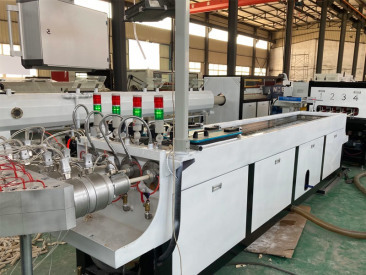
Understanding the international technical benchmarks that define operational longevity, melt-filtration efficiency, and energy utilization in polymer reclamation.
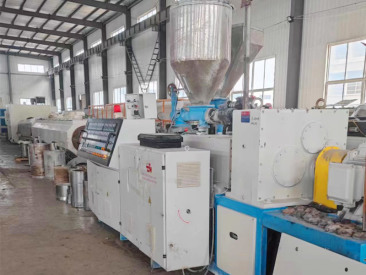
On a global scale, the demand for plastic granulators and compounding extruders is growing rapidly due to strict sustainability regulations. Modern machinery must process complex, multi-layer polymers while preserving the physical properties of the plastic. Key engineering priorities include:
By integrating these global design principles into our new machinery designs and our rigorous second-hand refurbishment processes, Ningbo Zhida delivers equipment built for continuous, industrial-grade operations.
Leveraging our strategic dual-track manufacturing and procurement model to deliver world-class machinery at optimized capital expenditures.
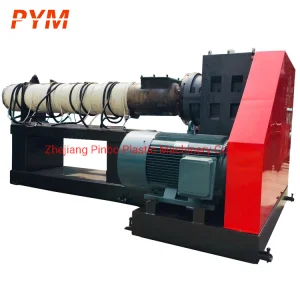
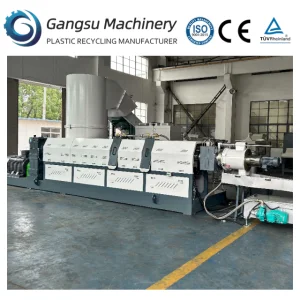
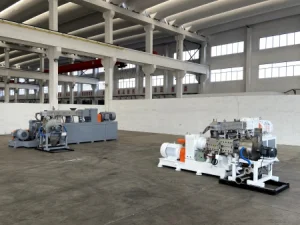
We work with specialized R&D partners to design and build custom plastic granulating and extrusion machinery tailored to your space, power, and throughput requirements, all at competitive factory prices.
Our sourcing team travels across China weekly, procuring high-quality second-hand machinery from leading manufacturers like Jwell, BeiEr, FangLi, and JinHu. Enjoy savings of 30% to 60% compared to new machines.
With an engineering team possessing over 15 years of technical expertise in maintaining, repairing, and optimizing plastic extruders, we ensure every machine undergoes rigorous multi-point functional testing before shipment.
Adapting Chinese engineering efficiency to resolve real-world raw material challenges in Lesotho's industrial sectors.
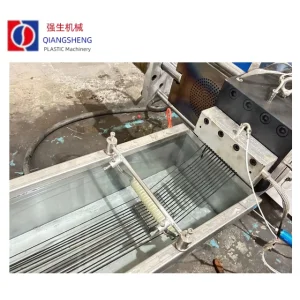
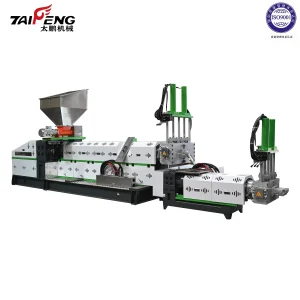
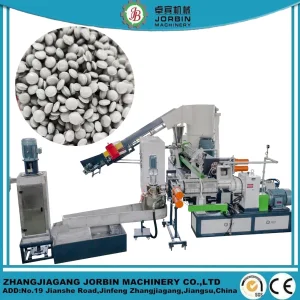
Agricultural operations across Lesotho generate substantial volumes of low-density polyethylene (LDPE) and linear low-density polyethylene (LLDPE) mulch film waste. Contaminated with soil, moisture, and fertilizers, these films are difficult to recycle using standard granulators. Our specialized single-screw double-stage granulating lines feature heavy-duty wash-press units and high-vacuum degassing zones. This setup processes dirty films and turns them into dense, clean PE pellets suitable for blow molding agricultural irrigation pipes, creating a sustainable loop for local farmers.
Lesotho's active garment manufacturing sector produces large quantities of scrap polypropylene (PP) woven bags, non-woven fabrics, and synthetic textile offcuts. Standard machines often struggle with the high tensile strength and low bulk density of these materials. Our compact industrial plastic recycling granulators feature integrated shredder-feeders. This system processes bulky fibers and woven structures efficiently, converting them into uniform, high-density PP masterbatch-ready granules.
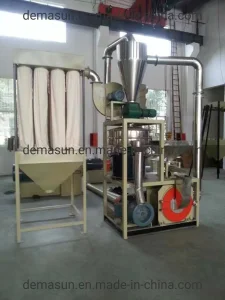
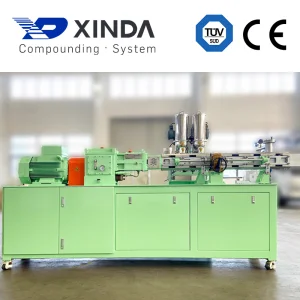
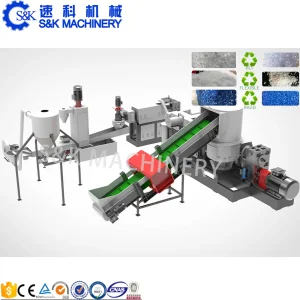
Municipal solid waste management in urban areas like Maseru is a growing priority. High-density polyethylene (HDPE) milk bottles, detergent jugs, and rigid polypropylene crates represent a significant portion of this waste. Our rigid polymer pelletizing lines use high-speed pulverizers and twin-screw extruders with specialized screw profiles. This machinery ensures thorough melting, mixing, and color blending, helping Lesotho recyclers manufacture high-value post-consumer recycled (PCR) resins for new household products.
For second-hand machinery, we follow strict quality standards. At Ningbo Zhida, we run every machine through a comprehensive refurbishment checklist before it is approved for export to Lesotho:
Only after a machine passes these technical checks do we arrange packing, rust prevention, and secure container shipping to the Port of Durban, ready for road transit to Maseru, Mafeteng, or Maputsoe.
Answering common questions regarding technical specs, power setup, and shipping logistics for buyers in Lesotho.
Explore our full selection of new and refurbished plastic granulating lines, twin-screw extruders, and compounding systems optimized for the Lesotho market.
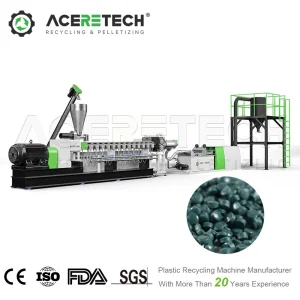
Whether you require a custom-engineered new extrusion line or a premium refurbished granulator system from China's top brands, our engineering team is here to help you design the optimal setup.
Send Inquiry Now