Zhida Plastic Machinery
Zhida Plastic Machinery
Zhida Plastic Machinery
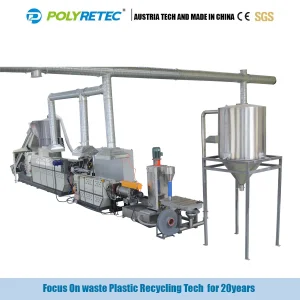
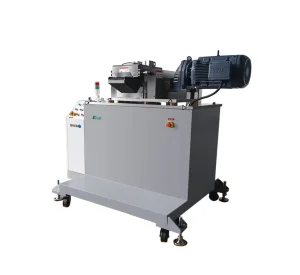
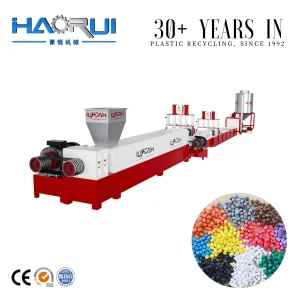
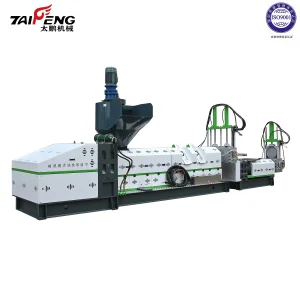
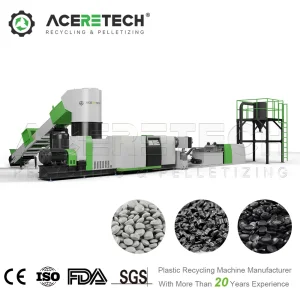
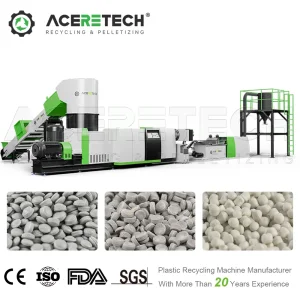
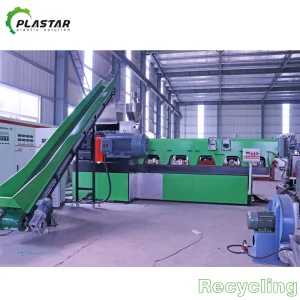
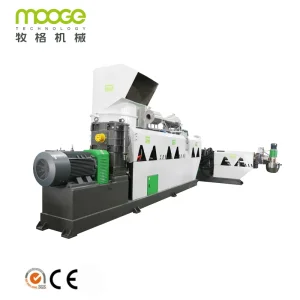
Explore our premium grade plastic pelletizing and granulating systems engineered to process high and low density polymers. Specially designed to meet the growing manufacturing and recycling requirements in Malabo and Bata.
As one of the most prominent nations in the Central African Economic and Monetary Community (CEMAC), Equatorial Guinea is undergoing a strategic economic transformation. Historically dependent on oil and gas, the government's Horizon 2020/2035 initiatives focus heavily on the diversification of the national economy. Light manufacturing, infrastructure construction, and sustainable environmental management are at the forefront of this industrial transition.
The cities of Malabo (on Bioko Island) and Bata (on the mainland) generate significant quantities of plastic waste, including agricultural packaging, marine plastic debris, and post-consumer single-use containers. Currently, the lack of extensive domestic recycling plants means a large volume of plastic is either exported in low-value shredded forms or ends up in landfills. Establishing local pelletizing plants allows businesses to turn this waste into high-value raw material for the local manufacture of construction components, agricultural materials, and packaging bags.
Relying purely on imported virgin plastic resins exposes Equatorial Guinea manufacturers to international price volatility and shipping bottlenecks. Processing local scrap polymer using modern single-screw and twin-screw extrusion systems creates a closed-loop system. This import substitution strategy stabilizes supply lines for manufacturers of HDPE water pipes, PVC conduits, and agricultural films while lowering the country's foreign exchange outlays.
Established in 2018 in Ningbo, China—the global capital of machinery manufacture—Ningbo Zhida Plastic Machinery Co., Ltd. has grown to become one of China's largest and most reliable suppliers of new and refurbished plastic extrusion machinery.
We have successfully helped over 1,000 plastic product manufacturers reduce capital expenditure while maintaining top-tier production quality. Our customers are spread globally, including key developing industrial sectors in Morocco, Vietnam, Egypt, Pakistan, Zambia, and Ethiopia.
Whether you require cost-effective refurbished machinery (saving 30% to 60% compared to brand-new units) or bespoke new machinery manufactured to your unique process guidelines, our dual-track system ensures your exact production constraints and financial budgets are met.
Our engineering team has over 15 years of technical expertise in maintaining, repairing, and optimizing extrusion equipment. Every motor, gearbox, inverter, and melt pump undergoes rigorous testing and refurbishment to ensure long-term stability and beautiful aesthetic delivery.
Ningbo Zhida is located strategically close to the Ningbo-Zhoushan Airport and Seaport, assuring rapid shipment, seamless customs declarations, and reliable transport options to Malabo and Bata ports.
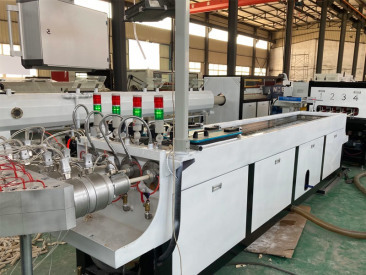
Modern plastic pelletizing is not a one-size-fits-all manufacturing segment. The configuration of the extruder screw, the degassing zone, the vacuum system, and the cutting mechanism must match the specific polymer behavior. Here is how our plants are deployed in real-world scenarios:
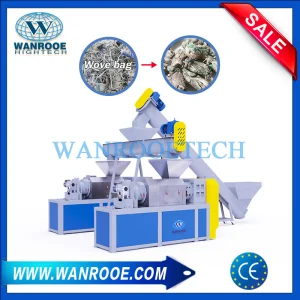
Farming sectors and logistics hubs in Central Africa generate tons of LDPE mulch film and PP woven cement/fertilizer bags. These materials are characterized by high moisture content and light density. Our compounding and squeeze-dryer pelletizing lines compact, dry, and granulate these plastics efficiently without thermal degradation.
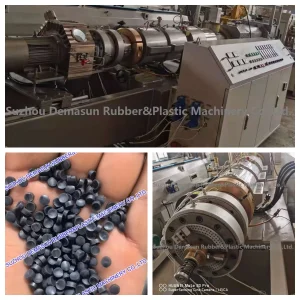
Blow-molded containers, such as shampoo, milk, and motor oil bottles, are processed using our single-stage or double-stage high-output pelletizing machines. Fitted with dual hydraulic screen changers, the system filters out residues, generating premium-grade recycled HDPE pellets suitable for pipe and profile extrusion.
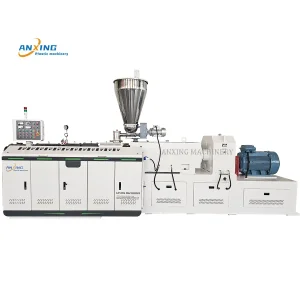
Infrastructure construction in Malabo generates substantial PVC pipe off-cuts and electrical conduit wastes. Our dedicated 92/188 counter-rotating twin-screw PVC granulating lines process both rigid and plasticized PVC, transforming them into uniform pellets ready for injection molding or re-extrusion.
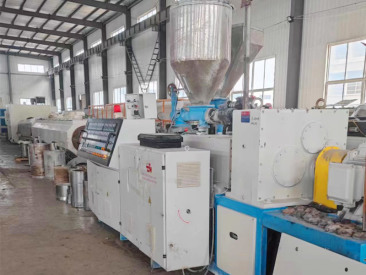
Buying plastic pelletizing systems from Ningbo Zhida connects your business to the heart of the world’s most advanced and integrated industrial machinery ecosystem. Ninety percent of our second-hand stock is manufactured by China’s top five extrusion manufacturers, including Jwell, BeiEr, FangLi, Jurry, and JinHu.
Chinese machinery builders have integrated state-of-the-art metallurgical processes. Extruder barrels are lined with bimetallic coatings (nickel-based alloys) to resist abrasive wear from glass fibers or mineral fillers. Screws are nitrided to ensure long-term shear stability and high output without structural deformation, even when processing challenging materials like ABS or PC.
Industry 4.0 integration includes PLC touch-screen controls, automated self-tuning PID heating controllers, and remote diagnostic systems. This level of automation decreases the dependency on highly specialized onsite technicians. It ensures that the extrusion melt temperature remains within the optimal range, reducing power consumption by up to 25% compared to older systems.
| Polymer Type | Suitable Extruder System | Recommended Cutting Method | Typical L/D Ratio | Application Output (kg/h) |
|---|---|---|---|---|
| PE/PP Film & Bags | Single Screw with Compactor | Water-ring Pelletizing | 30:1 - 36:1 | 200 - 1500 kg/h |
| Rigid PVC / WPC | Conical Twin Screw | Hot-cut Air Cooling | 16:1 - 22:1 | 300 - 1000 kg/h |
| PET Flakes | Parallel Twin Screw / Vacuum Degas | Strand Pelletizing / Underwater | 36:1 - 40:1 | 500 - 2000 kg/h |
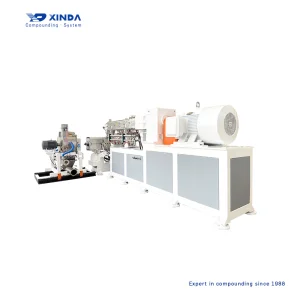
| Engineering Plastics (PC, ABS, PA) | Twin Screw Compounding System | Water Strand Cutting | 36:1 - 44:1 | 150 - 800 kg/h |
We do not simply resell old machinery. Ningbo Zhida guarantees industrial-grade reliability through a comprehensive remanufacturing flow overseen by our 15-year experienced engineering group.
Every incoming machine is stripped down. Motors, gearboxes, frequency inverters, and hydraulic pumps are chemically cleaned and tested. Bearings and seals are replaced automatically.
We update obsolete electrical panels with modern control units, replace damaged heater bands, and calibrate thermocouples to guarantee precise temperature zone controls.
Before packing, we run real polymers through the machine to test output, moisture removal, and cutting quality. We send high-definition test videos and parameter logs to our buyers.
Browse our extensive inventory of waste plastic recycling, compounding, and pelletizing equipment. All models are available for worldwide shipping, complete with customization options for electrical voltage and heating zone setups.
Get answers to critical technical and logistical questions about installing and operating plastic recycling machinery in Equatorial Guinea and the CEMAC zone.