Zhida Plastic Machinery Zhida Plastic Machinery
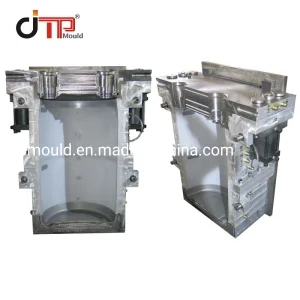
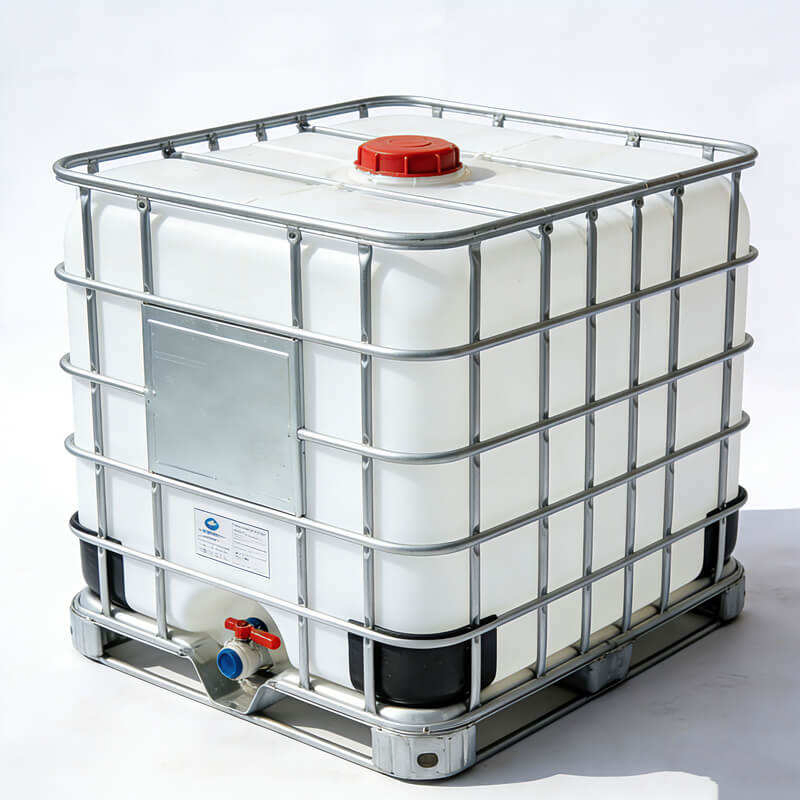
Custom Eco Friendly LLDPE IBC Tote HDPE IBC Water Tank Ton IBC Container Cover Plastic Parts Blow Molding

Still deciding? Get samples of $ !
Request Sample

Product Description

Basic Information

Product Material:
Plastic
Process Type:
Compound Die
Preform Method:
Extrusion Type
Application:
Commodity Container
Function:
High Temperature Resistance
Certification:
ISO, CE, RoHS
Warranty:
6 Months
Tolerance:
0.02mm - 0.05mm
Molding Type:
Blow Molding
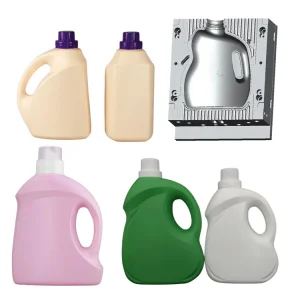
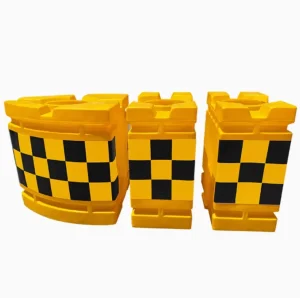
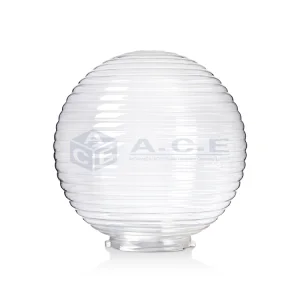
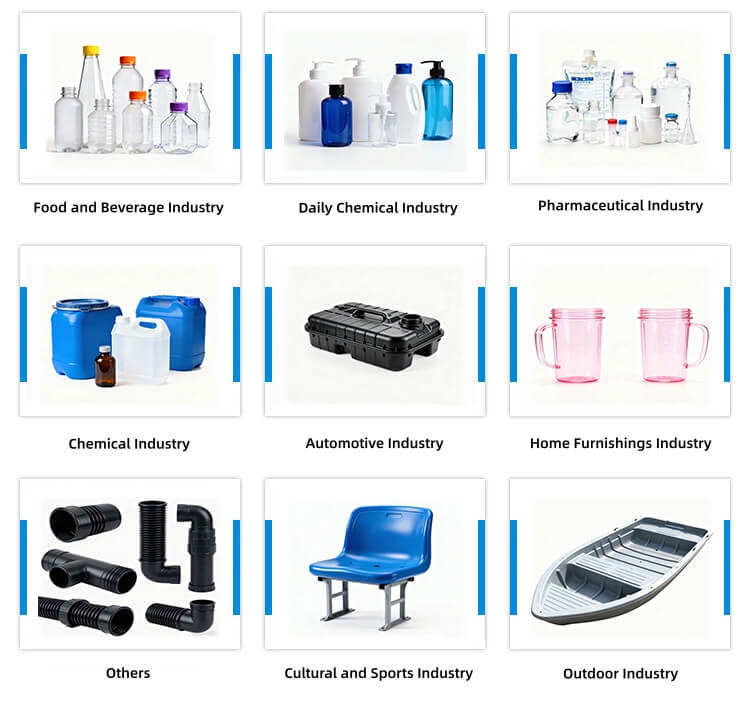
Blow Molding Plastic Parts
Eco Friendly Container
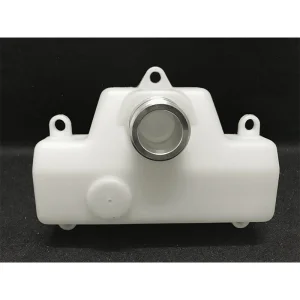
IBC Water Tank Parts

Product Description

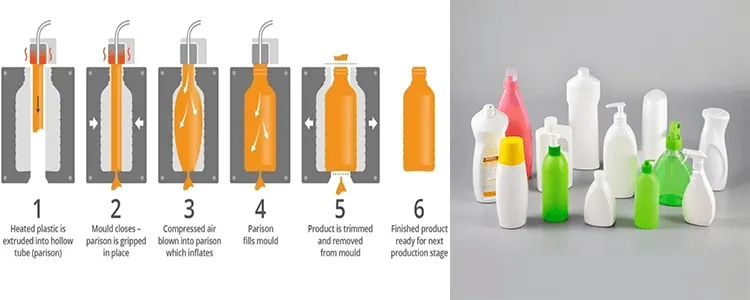
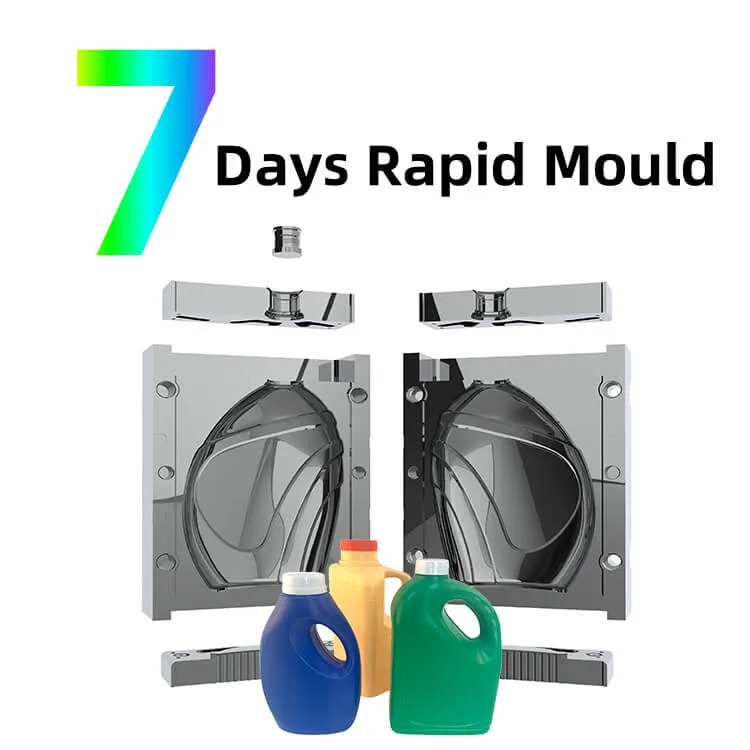
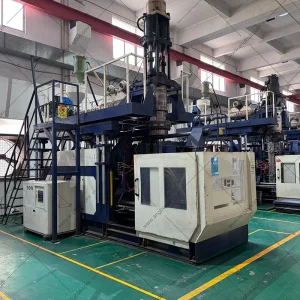
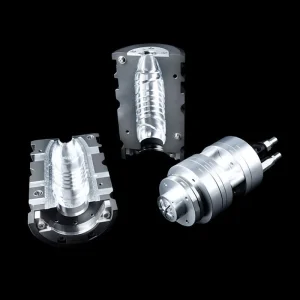
Extrusion Blow Molding

There are two variations: continuous or intermittent. The continuous variant involves constantly feeding the parison to mold and cutting it off with a blade on cooling. The intermittent variant expels the molded part before inserting a new parison. The intermittent variant is less expensive and takes less time.
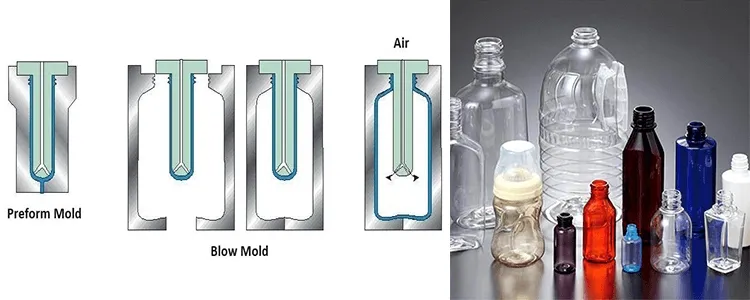
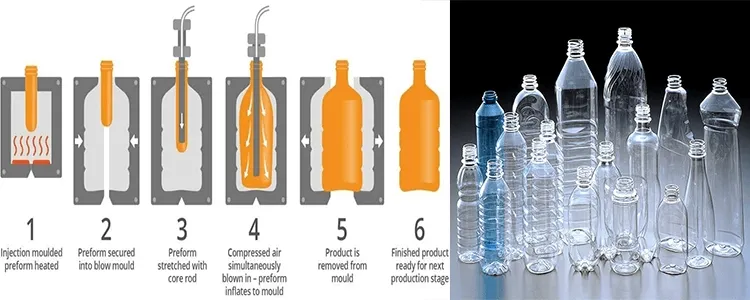
Injection Stretch Blow Molding

Injection Stretch Blow Molding

This combines injection and blows molding processes to make a plastic part. The process starts with making a solid pre-form using injection molding. Afterward, a machine heats the pre-form and blows air into it.

Blow Molding vs Injection Molding

The most distinctive difference between blow and injection molding is that the former is suitable for hollow parts, and the latter is applicable for making solid parts.
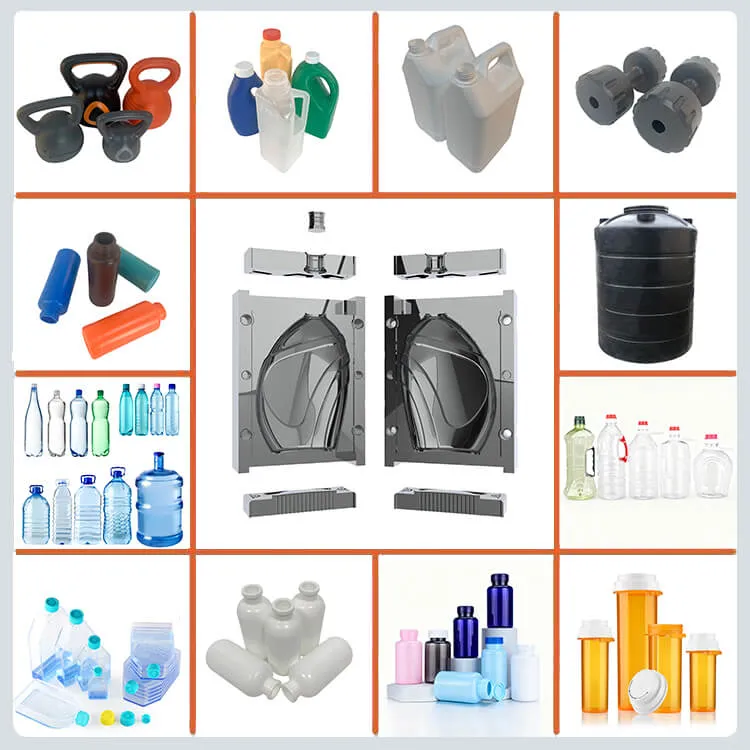
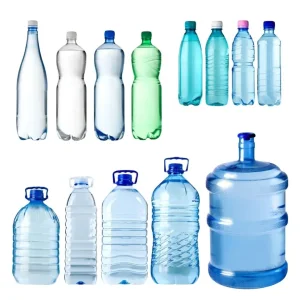
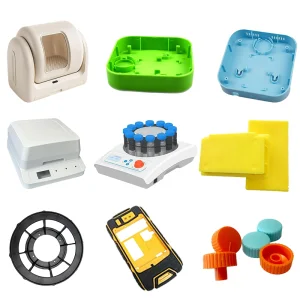
Injection molding is the right method for plastic parts that need a rigid wall, such as bottle caps, hair combs, and computer housings. In contrast, blow molding is suitable for making hollow products with flexible or structural properties, such as bottles, coolers, fuel tanks, and stadium seats.

Our Services & Technical Specifications

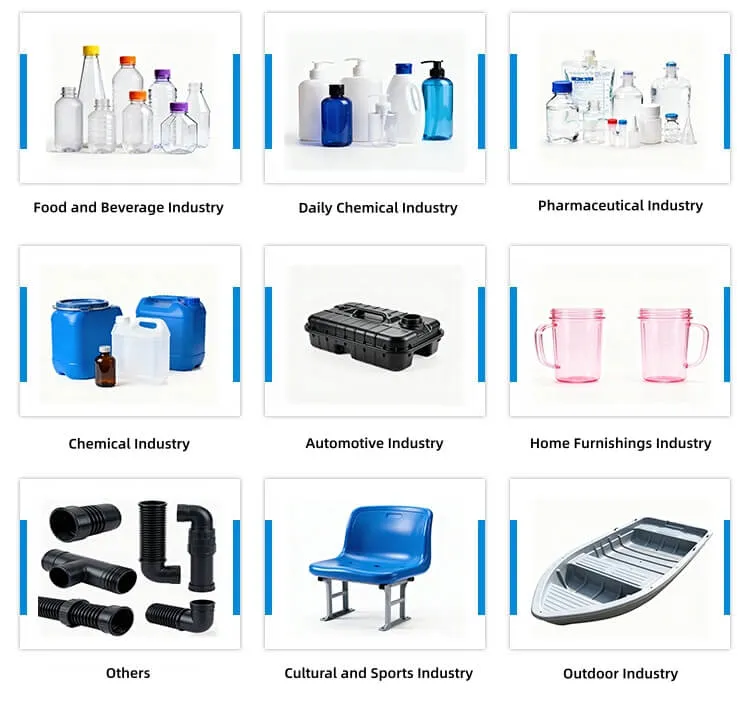
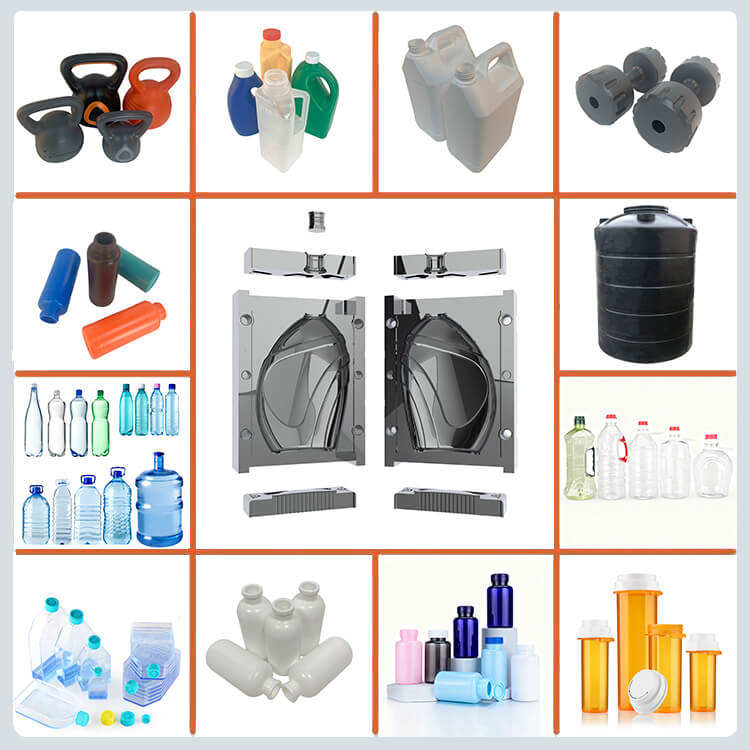
Application FieldVarious plastic blow-molded parts for a wide range of industrial and everyday applications.
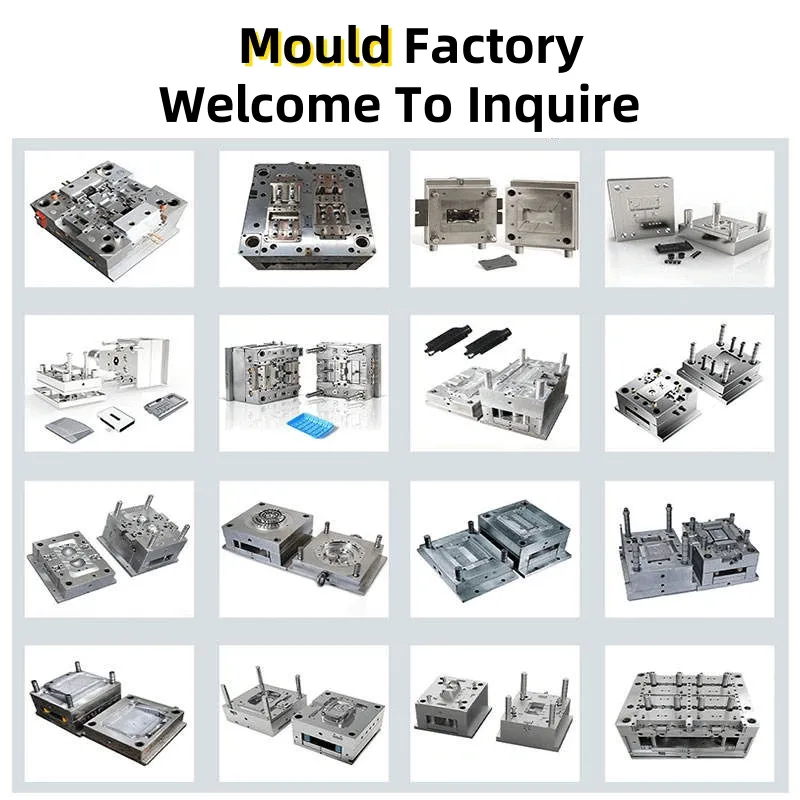
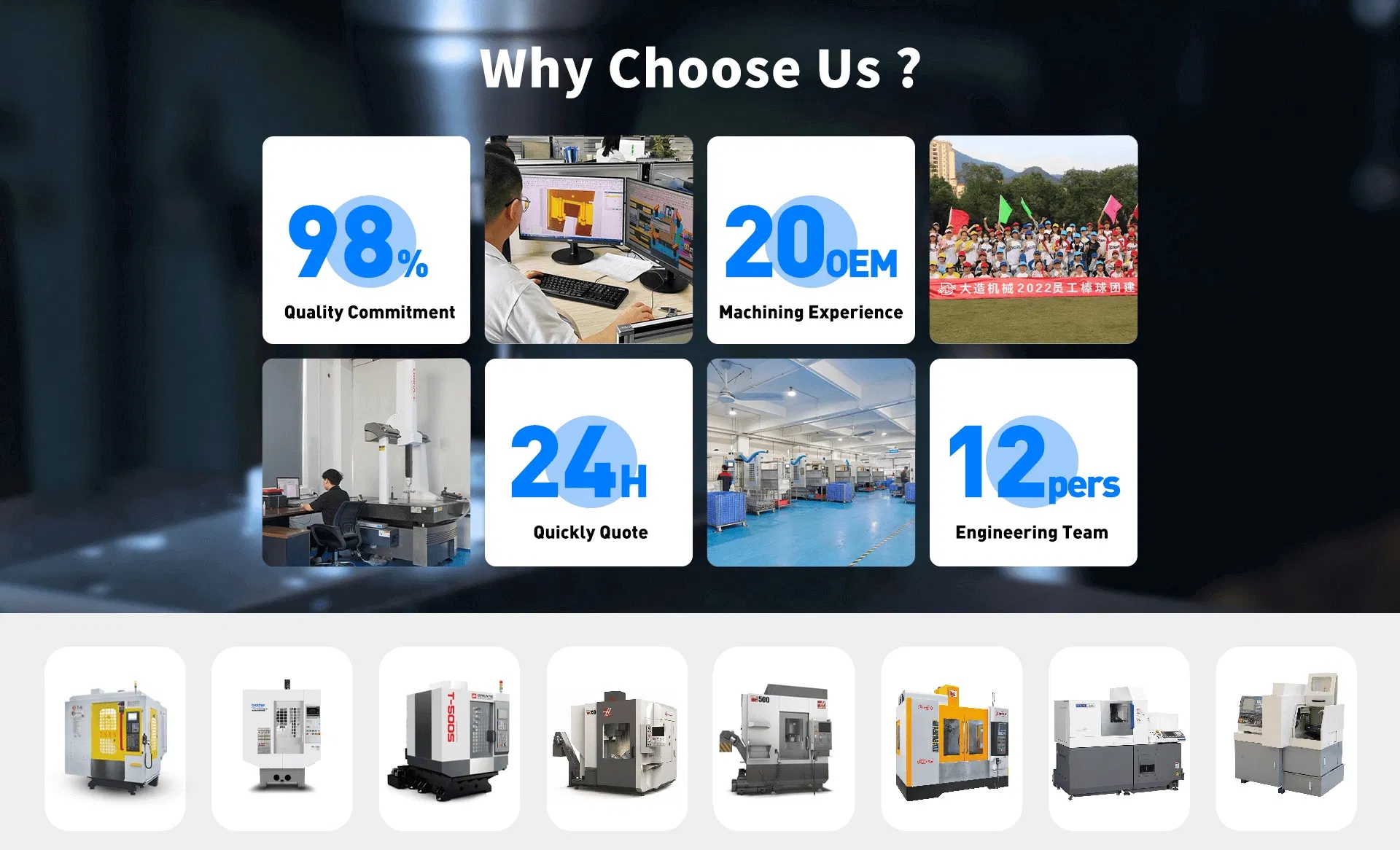
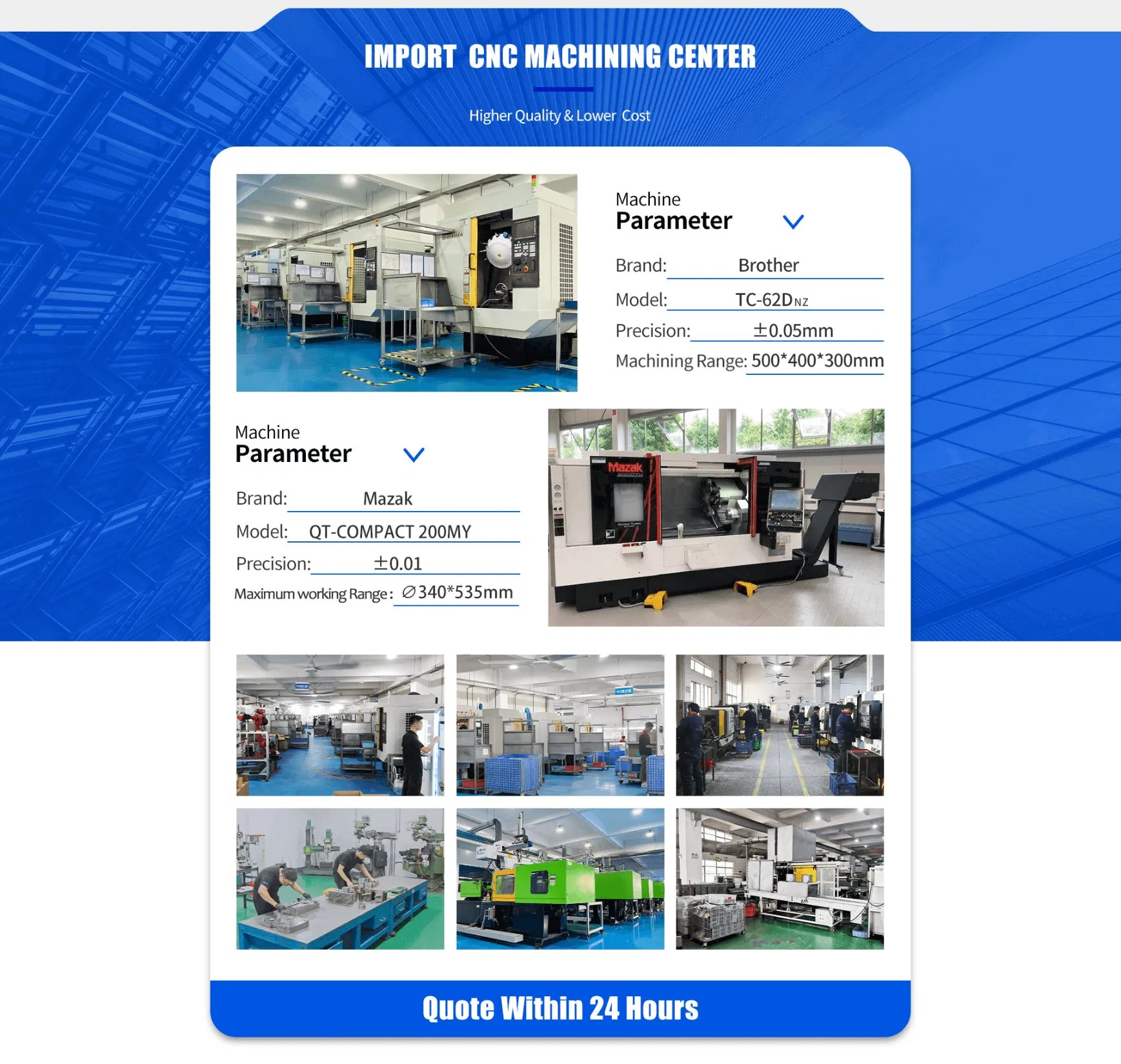
EquipmentCNC, EDM, Cutting Off Machine, Plastic Machinery etc.
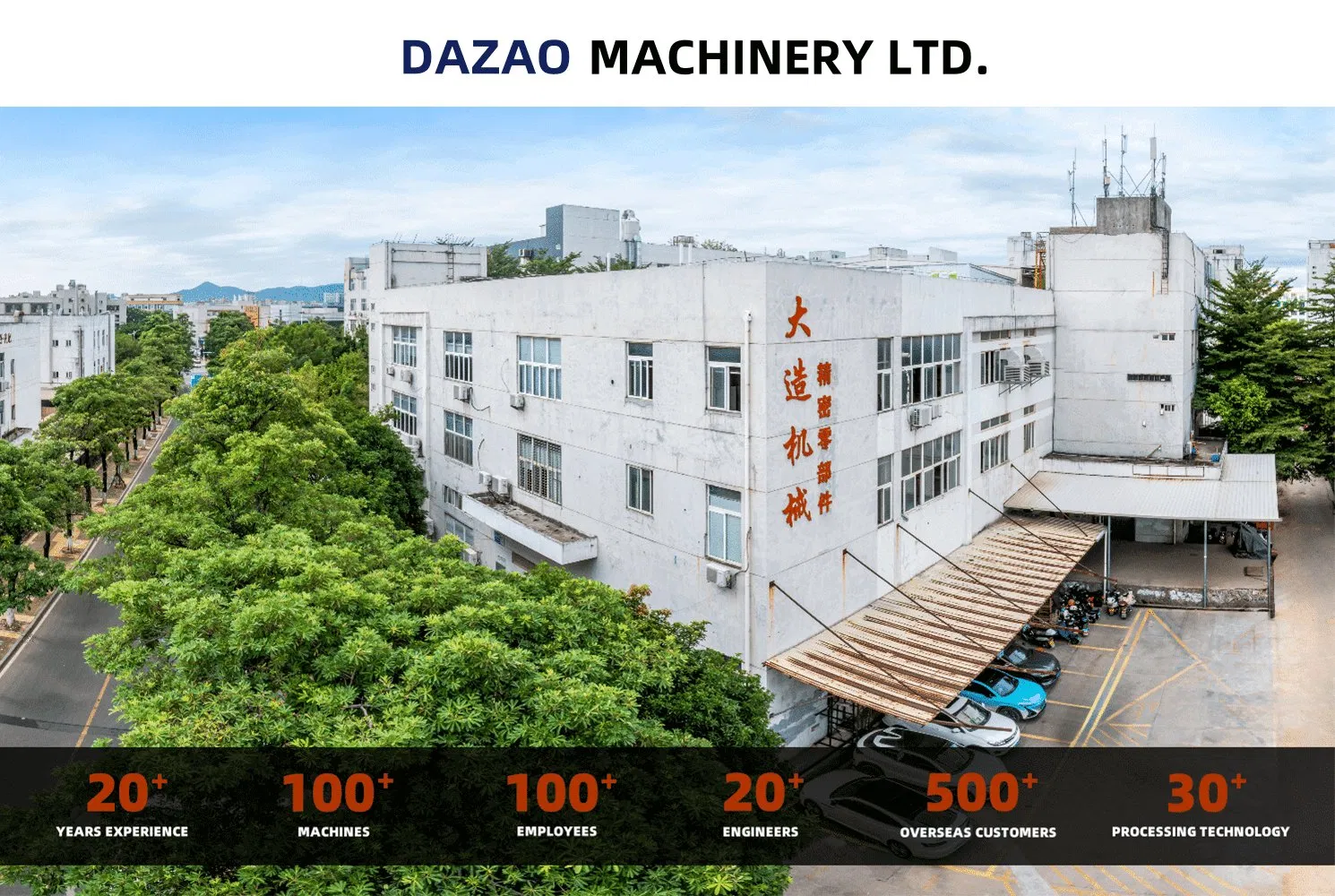
Experience20 years experience in plastic blow mold making and blow molding.
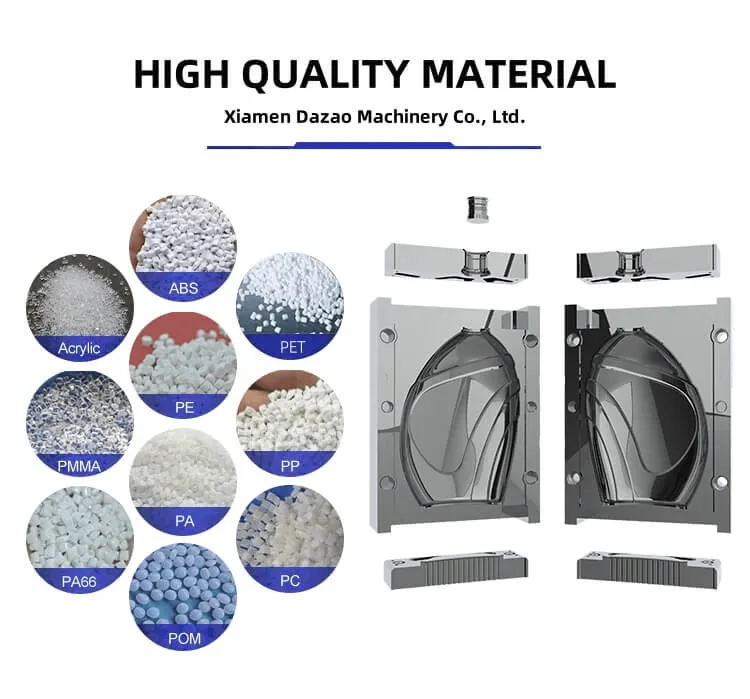
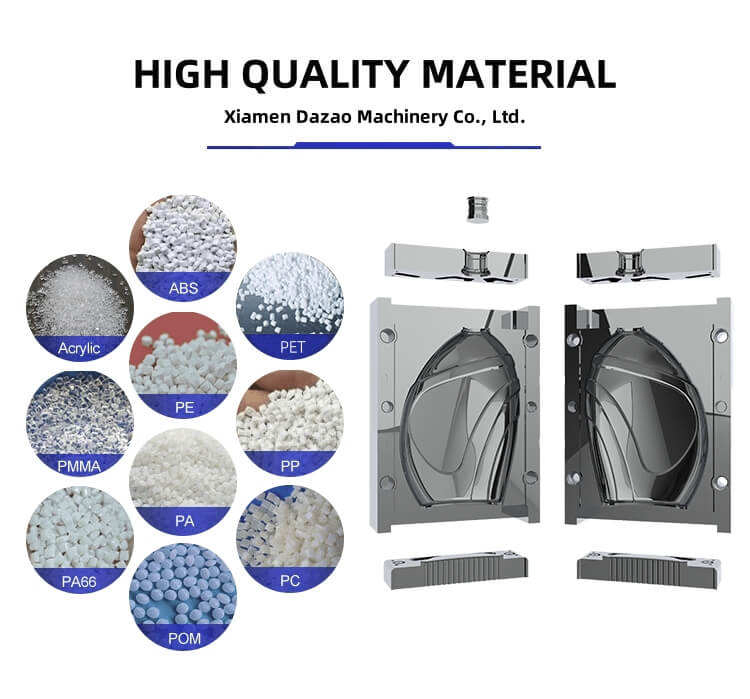
MaterialsPS, ABS, PP, PVC, PMMA, PBT, PC, POM, PETG, PEEK, HDPE, LDPE, PET, PPO, etc.
Surface FinishIn-mold labeling, screen printing, heat transfer, spraying, hot stamping, UV varnish, barrier coating, plasma treatment, etc.
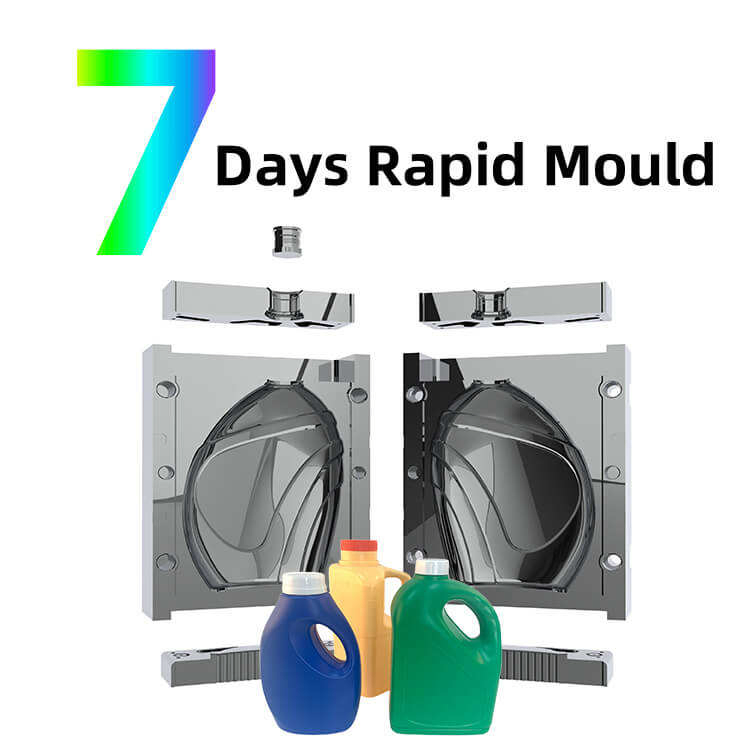
Mold MaterialH13, P20, 718, S7, 304, D3, D2, SKD61, S136, DC53, etc.
Mold LifeOver 500,000 shots
Tolerance± 0.01mm
Design SoftwareCAD, CAM, CAE, Pro-E, UG, Solid works, Moldflow, CATIA, etc.
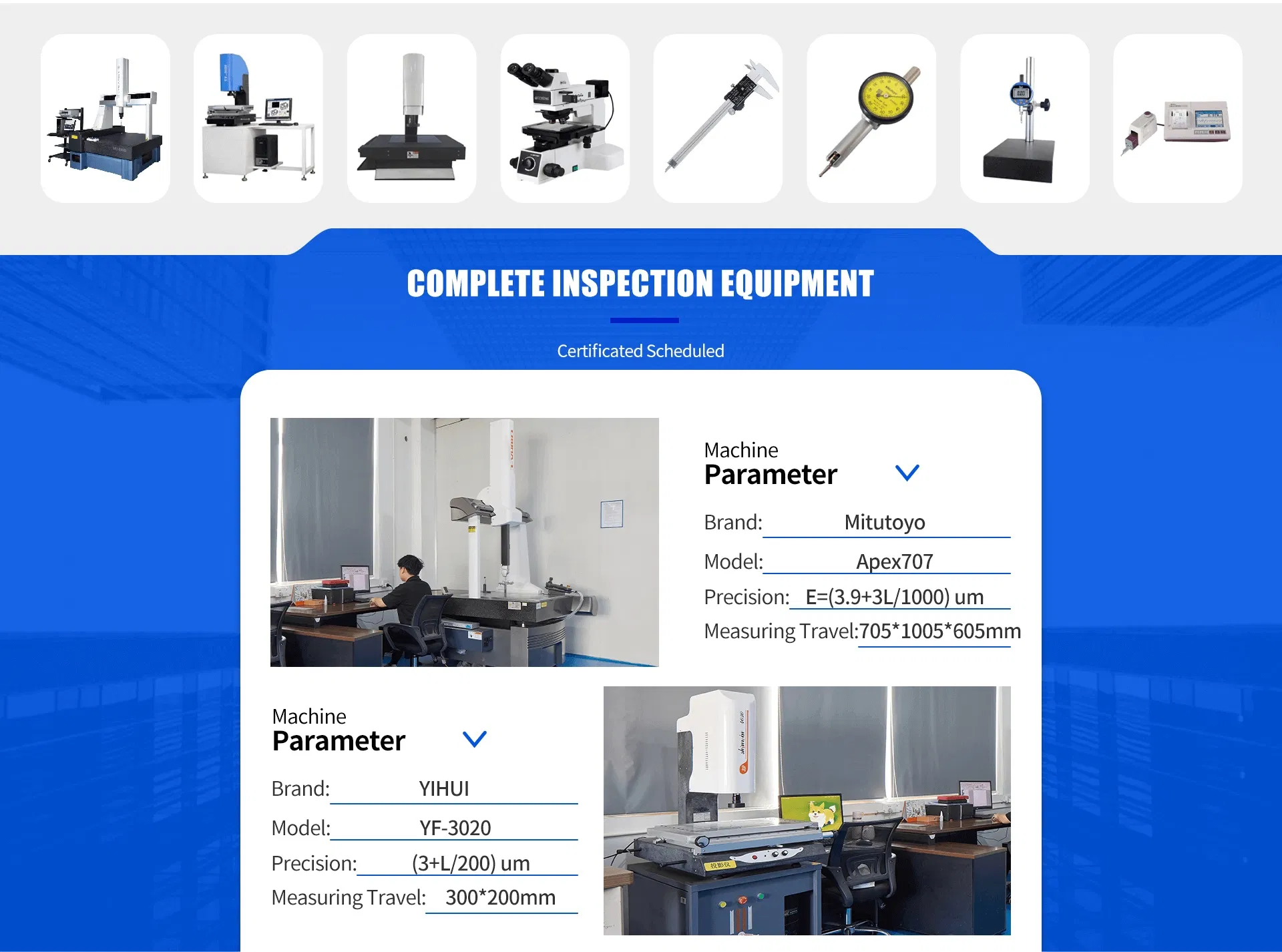
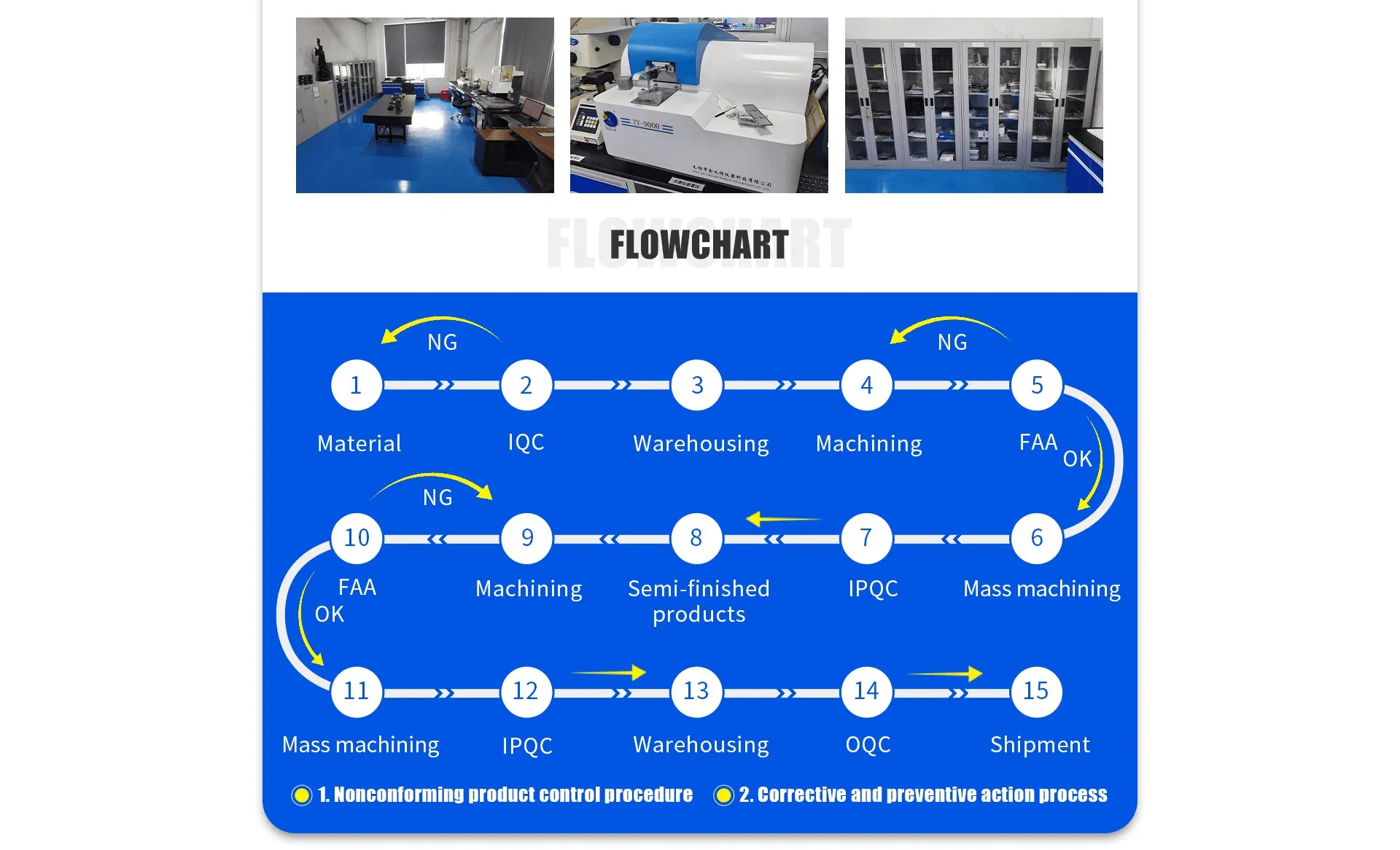
Quality Control100% QC inspection before delivery; Final inspection report included; 100% Refund guaranteed for quality issues.

Product Showcase

Plastic Part 1
Plastic Part 2
Plastic Part 3
Plastic Part 4
Plastic Part 5
Plastic Part 6
Plastic Part 7
Plastic Part 8
Plastic Part 9
Plastic Part 10
Plastic Part 11
Plastic Part 12
Frequently Asked Questions
Q: What is the main difference between blow molding and injection molding? A: Blow molding is used for producing hollow parts like bottles and tanks, while injection molding is used for solid parts like caps and housings.
Q: What plastic materials can be used for blow molding? A: We work with a wide range of materials including HDPE, LDPE, PP, PVC, ABS, PC, PETG, PEEK, and many others.
Q: What is the typical mold life for your plastic blow molds? A: Our molds are designed for durability, typically providing over 500,000 shots.
Q: What precision tolerance can you achieve? A: We can achieve a high precision tolerance of ± 0.01mm depending on the part design.
Q: Do you provide quality inspection reports? A: Yes, we perform 100% QC quality inspection before delivery and include a final inspection report with the goods.
Q: Can you help with design if I don't have 3D drawings? A: Yes, we provide drawing design services for clients who do not have existing 3D drawings.

Related Products