Zhida Plastic Machinery
Zhida Plastic Machinery
Zhida Plastic Machinery
High-throughput extrusion lines and advanced compounding systems designed to integrate seamlessly with your OEM/ODM screw and barrel assemblies.
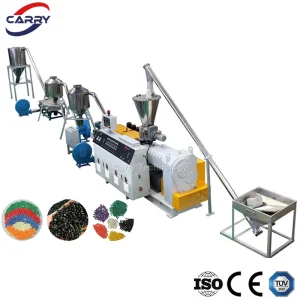
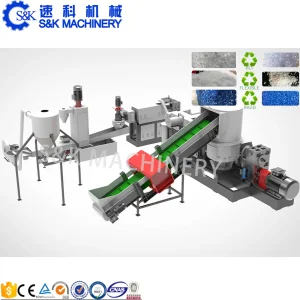
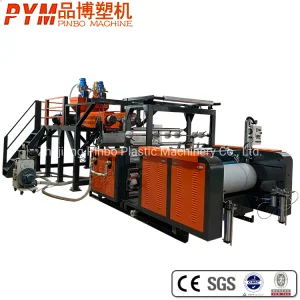
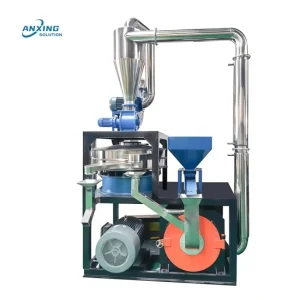
Founded in 2018 in the industrial manufacturing hub of Ningbo, China, Ningbo Zhida Plastic Machinery Co., Ltd. has established itself as an international pioneer in plastic extrusion machinery engineering. We operate on a unique, highly optimized dual-track service model that bridges the gap between premium OEM/ODM new extruder screw and barrel customization and top-tier, rigorously tested second-hand plastic machinery refurbishment.
Our core philosophy, "integrity-based, quality first," guides us in helping more than 1,000 plastic product manufacturers worldwide reduce capital expenditure while maximizing production efficiency and equipment longevity.
We serve a globally diverse client base spanning India, Morocco, Vietnam, Egypt, Pakistan, Bangladesh, Zambia, Ethiopia, and beyond. By combining local supply chain strengths with state-of-the-art repair facilities, we offer comprehensive turn-key engineering solutions to meet any plastic extrusion demand.
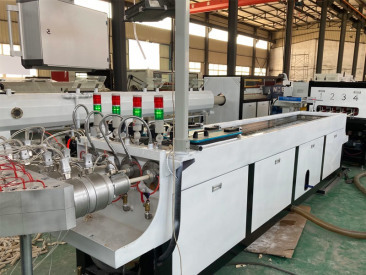
Optimized engineering workflows, competitive pricing models, and extensive supply chains that define our industry-leading stance.
Tailor-made extrusion lines built to modern thermodynamic and material science specifications.
Cost-effective machinery investments ensuring high reliability at a fraction of the cost.
Rapid deployment pathways leveraging China's dense plastic manufacturing networks.
How we achieve superior mechanical properties and chemical resistance for extreme processing environments.
In modern plastic processing, the extruder screw and barrel function as the heart of the machinery. They are subjected to intense mechanical stress, high thermal profiles, and aggressive chemical corrosion from polymers such as PVC, CPVC, and filled engineering resins (e.g., glass-fiber reinforced PP/PA). As a specialized OEM/ODM extruder screw and barrel manufacturer, we rely on advanced metallurgy and surface engineering treatments to extend product lifespans under continuous load:
Utilizing high-grade gas nitriding (heated up to 540°C for over 48 hours), we form a dense nitride layer on the surface of the base steel. This process achieves a surface hardness of over 950 HV, providing excellent wear resistance for standard polymer processing, such as polyolefin extrusion and general compounding applications.
For highly abrasive composites like Wood-Plastic Composites (WPC) or corrosive materials like fluoropolymers, we apply a bimetallic configuration. The barrel interior is lined with a cobalt, nickel, or iron-base alloy using high-speed centrifugal casting, while the screw flights are fortified using Plasma Transferred Arc (PTA) welding. This creates a 2mm to 3mm protective barrier capable of withstanding acidic outgassing and glass fiber scoring.
Our structured evolution of screw flight designs and material coatings ensures compatibility with next-generation polymers.
Developing screw profiles with length-to-diameter (L/D) ratios up to 40:1, utilizing barrier flights to segregate solid polymer beds from melt channels. This layout maximizes plasticization quality and output stability.
Engineering segmented parallel twin-screws. Individual kneading blocks and conveying elements can be repositioned along the splined shaft to adjust shear force, resin residence time, and compounding performance dynamically.
Integrating smart sensors within the barrel walls to monitor real-time pressure fluctuation and melt temperatures. Combined with internal oil-cooling circuits for the screw, this prevents local overheating of heat-sensitive materials like PVC and CPVC.
How our custom-built screws and barrels solve processing problems across various global industries.
Processing PVC and CPVC requires precise temperature control and uniform shear rates to prevent thermal degradation. Our conical twin-screws and barrels are engineered with internal thermal regulation systems. These systems maintain material stability during high-pressure pipe extrusion, ensuring walls are consistent and structural integrity meets standards in developing construction zones across India, Egypt, and Morocco.
WPC formulations contain high levels of natural wood fibers, which are highly abrasive to steel components. For this application, we supply barrels centrifugally cast with tungsten carbide bimetallic alloys and screws featuring stellite-tipped flights. This setup significantly reduces wear from fibers, extending run times in demanding production environments.
Recycled plastics often carry contaminants, moisture, and varying melt indexes. Our multi-stage venting barrels and custom degassing screws pull volatile gases out of the melt stream. This design prevents air pockets and ensures high-density pellet production for packaging film and structural molding lines.
Producing optical-grade stretch films or food-grade wrap demands zero carbonization or gel formation in the screw channel. Our custom barrier screws utilize mirror-polished surfaces and progressive flight designs to eliminate stagnation zones, ensuring a uniform melt stream for thin-film applications.
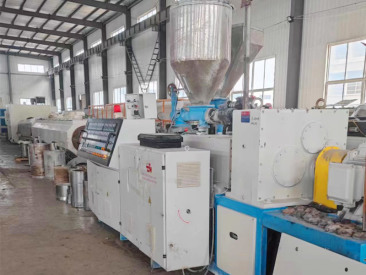
Operating out of Ningbo gives us immediate access to one of the world's most concentrated plastics manufacturing ecosystems. Our dedicated sourcing team travels through these local hubs weekly. We maintain active partnerships with large pipe, sheet, plate, and profile extrusion facilities across China, allowing us to source second-hand equipment from the nation's premier brands.
90% of our pre-owned extrusion machinery inventory is manufactured by China's top five brands: Jwell, BeiEr, FangLi, Jurry, and JinHu, as well as European leaders like Maffei.
Before any machinery is cleared for export, our engineering team—drawing on over 15 years of technical repair experience—conducts comprehensive diagnostic testing. We inspect, repair, or replace crucial sub-assemblies, including gearboxes, motors, high-efficiency inverters, water pumps, and screw-barrel tolerances. Every machine is run under simulated production loads to ensure it arrives at your facility ready for immediate operation.
Answers to common engineering questions regarding the service life, customization, and performance optimization of extruder screws and barrels.
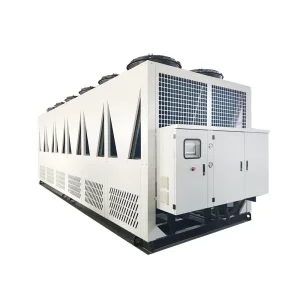
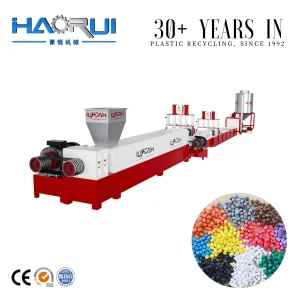
From chillers to down-stream pelletizers, these systems support continuous output and ensure stable thermal management.